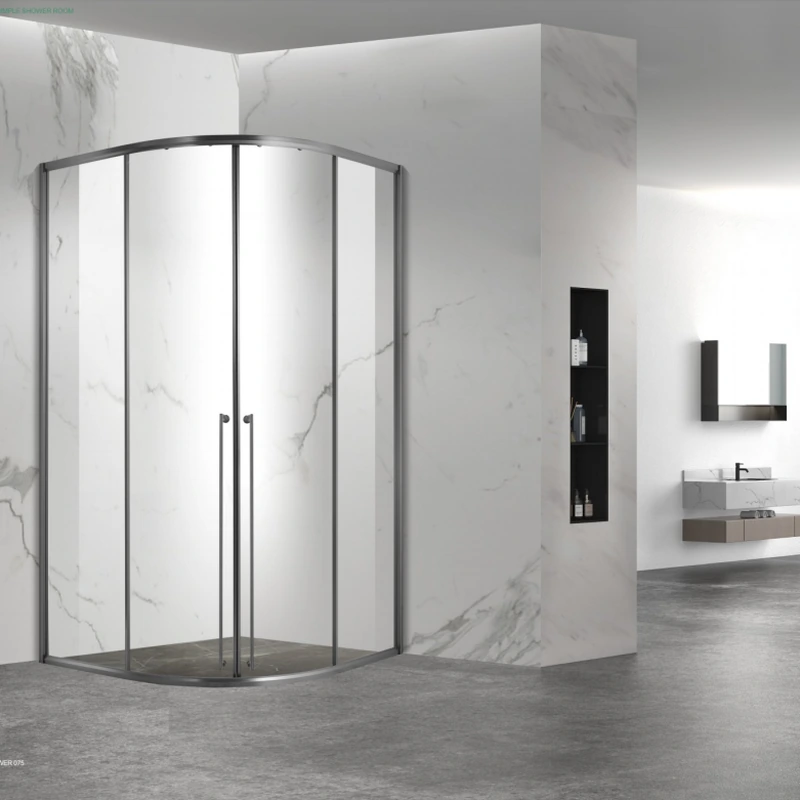
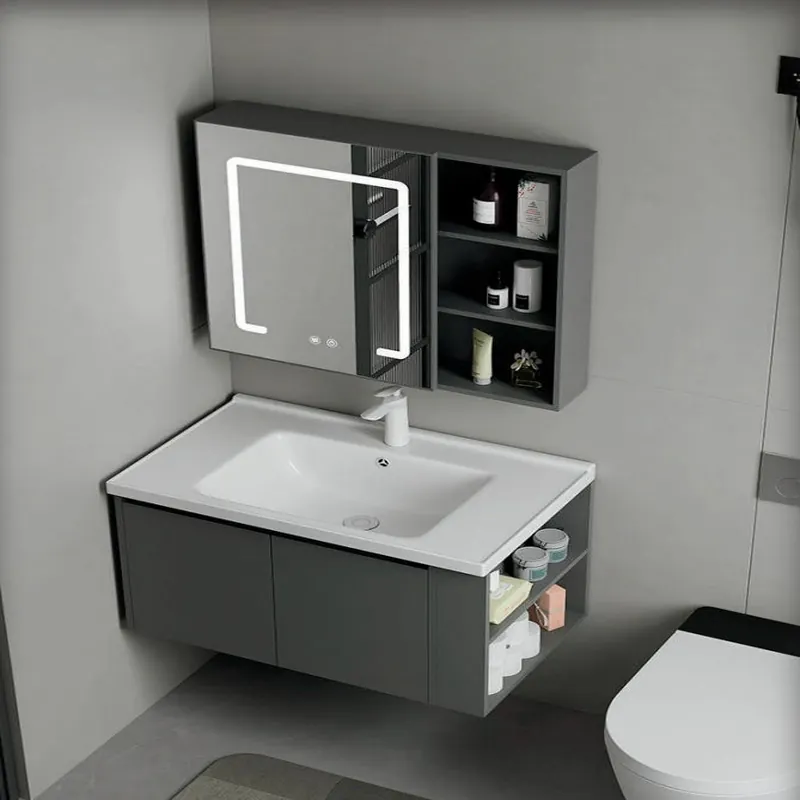
Tempered glass can break without an obvious impact, although a specific probability cannot be promised for an individual panel. Edge damage, hard contact, installation stress and inclusions are possible contributors; inspection and correct clearances reduce avoidable risks.
A useful decision starts with the bathroom as built, not a catalogue thumbnail. Measure the opening, note where the water travels and put the proposed door movement on the plan before choosing a model.
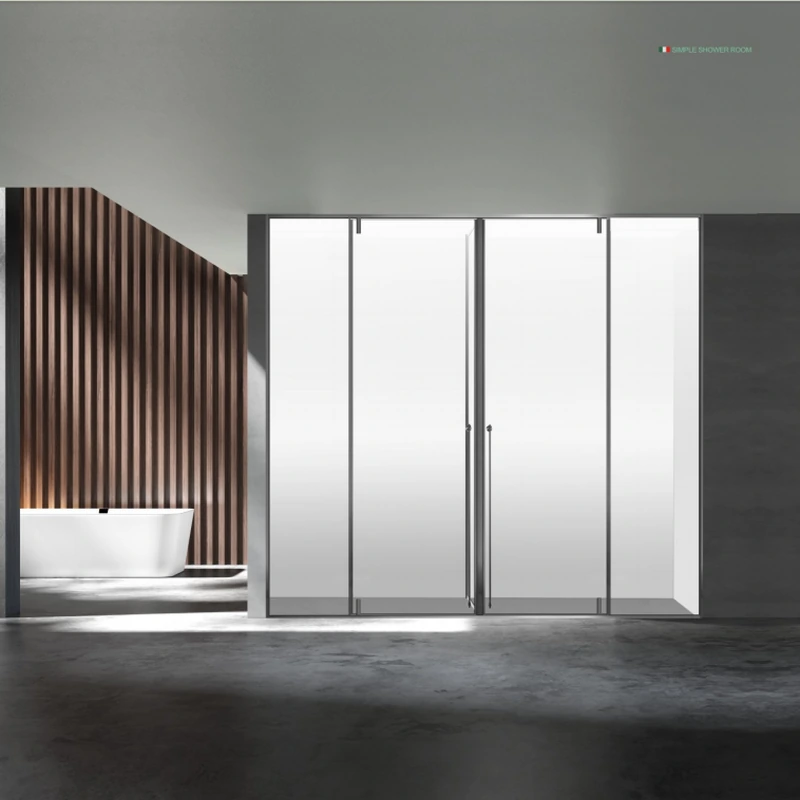
| Decision area | What to record |
|---|---|
| Glass | Safety standard, type, thickness, mark and edge condition |
| Geometry | Panel height, width, unsupported edges, holes and notches |
| Hardware | Exact model, rated size/weight and compatible glass |
| Support | Wall backing, anchors, bottom support and clearances |
Treat every change as a system change. A wider door may need different hinges; thicker glass adds weight; a new finish can change cleaning advice. Ask the supplier to revise the drawing and specification together, not only the price line.
Record the safety-glazing reference, thickness, finished size, edgework, holes and notches, permanent mark where applicable, hardware model, support condition and installation tolerances. A compliant lite can still be used badly if the surrounding system is wrong.
Separate budget dimensions from production dimensions. Plans can start a discussion; finished-site measurements and an approved drawing should control custom fabrication.
For Can Shower Glass Break Suddenly?, start with the condition that would make the first answer wrong. A chipped edge can be more significant than a light face scratch. Ask for the applicable safety-glazing reference and identification.
Measure ceiling height only when it affects bracing or ventilation. Hardware that looks similar may have a different rated door weight. That observation should appear on the drawing or survey sheet instead of being left for the installer to discover.
Match the hardware model to panel size, thickness and weight. Note whether the substrate is concrete, masonry, framed wall or unknown. Together, these two checks connect the room layout to a fabricatable panel rather than treating the enclosure as loose furniture.
Misaligned hinges can let a heavy door slip over time. Do not allow site cutting or drilling of tempered glass. Keep finish samples or codes with the purchase record, not only in a chat thread.
Mark every handle, tap, niche and towel fitting near the glass. A short review call around the marked-up drawing often prevents a costly site workaround. The result is a decision another person can review without relying on the original conversation.
Before ordering the proposed enclosure, record the wet-area boundary. Show unknown conditions with a question mark.
A common mismatch occurs when Holes and notches are permanent fabrication details made before tempering. Keep setting blocks and clearances in the installer’s detail. It is easier to resolve this before delivery.
At pre-installation review, Take one photograph wide enough to show the toilet, basin and entry together. If an alternative saves cost, require the same explanation of limits and care. Do not leave the decision in an unlabelled message.
For the question “Can Shower Glass Break Suddenly?”, the goal is not to collect more options; it is to match the product to the measured room. This makes the answer useful to the fabricator, installer and owner.
Compliant glass does not prevent a slip on a wet dry-side floor. Door movement, threshold, drainage and grab-bar planning belong in the same review, especially for children, older adults or assisted use.
Avoid sharp projections and glass-to-hard-surface contact. Handover should cover gentle door operation, inspection after impact and what to do if a sweep, hinge or roller moves.
A design is ready for comparison when another reviewer can trace the glass and hardware back to stated limits. If the evidence applies to a different size or support condition, note the difference instead of assuming equivalence.
A useful next step is to mark up the ForgeWin shower enclosure range with what would need to change for the project. The custom shower enclosure page provides additional context for that conversation.
Tempered glass can break without an obvious impact, although a specific probability cannot be promised for an individual panel. Edge damage, hard contact, installation stress and inclusions are possible contributors; inspection and correct clearances reduce avoidable risks.
No. Thickness affects stiffness and weight, but safety also depends on compliant safety glazing, panel geometry, edge quality, holes and notches, hardware limits, support and installation clearances. The complete system should be reviewed.
Send a dimensioned plan, straight-on and corner photos, project location, preferred door action, glass look, hardware finish, finished or unfinished status, installation scope and any access or accessibility constraints.
Tempered glass can break without an obvious impact, although a specific probability cannot be promised for an individual panel. Edge damage, hard contact, installation stress and inclusions are possible contributors; inspection and correct clearances reduce avoidable risks. The reliable next step is a measured drawing and an itemised proposal that names the glass, hardware, finish, installation scope and limitations. The cited dimensions and practices are reference points, not automatic approval for a particular project or jurisdiction.
Technical note: Requirements vary by country, building type and project. Confirm the current local code, supplier data and site conditions before fabrication or installation.
2026-09-10
2026-09-26