Short answer: A suitable bifold door manufacturer can explain the actual system, show how the panels move, identify the glass and hardware, and state what the installation team must provide. A catalogue image and a generic “custom size” promise are not enough for a project decision.
Expect questions about opening size, panel count, handing, stack, climate, threshold, glass, finish, quantity, drawings and installation location. A supplier that does not ask about the substrate or finished floor may be pricing an assumption rather than your opening.
Ask for evidence that relates to the proposed configuration. Do not transfer a performance statement from a different panel size, glass or installation detail without checking the difference.
Give every manufacturer the same opening schedule and finish direction. Compare clear opening, panel order, glass, hardware, exclusions and after-sales responsibility. A lower price may exclude survey, structural preparation or final adjustment.
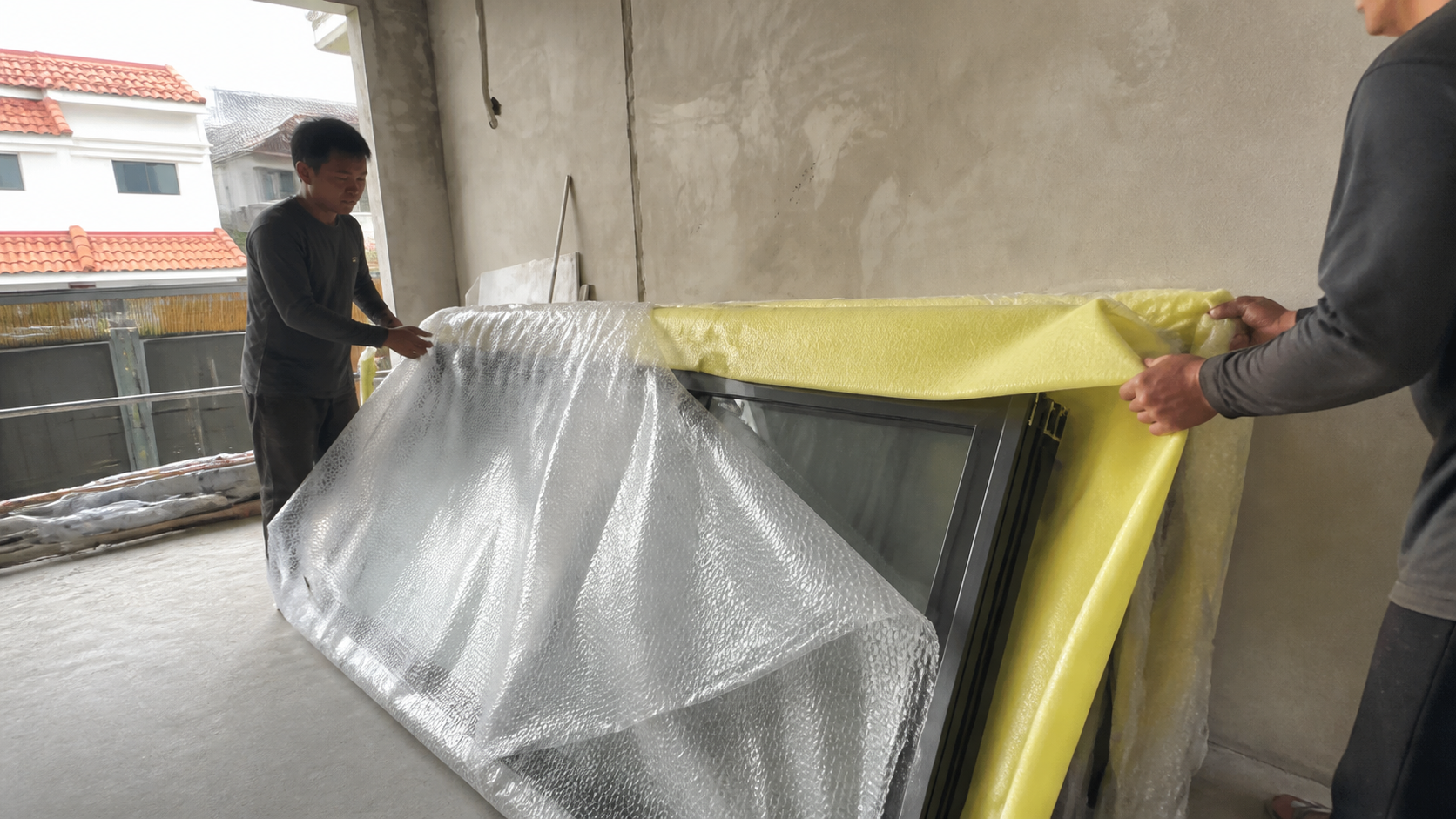
Before fabrication, freeze the approved drawing. At delivery, inspect the frame and glass. At handover, operate each panel and record the adjustment and care routine.
A credible manufacturer should explain what is measured on site, what is assumed for budgeting and what evidence belongs to the proposed configuration. At delivery, inspect the frame and glass before fitting. At handover, record the panel order, lock, seals, adjustment points and service-part information.
When comparing manufacturers, keep the evidence tied to the proposed panel size and opening. Record who measured the opening, who confirmed the substrate, who supplied the glass and who owns final adjustment. At delivery, inspect the frame and glass before fitting; at handover, record lock engagement, seals, clear passage, service parts and response responsibility. This gives a future owner something more useful than a generic warranty statement.
If an alternative system is proposed, compare its panel weight, hardware, threshold and maintenance access before accepting the substitution.
During a manufacturer review, ask for the drawing, glass reference, hardware list, finish sample, lead time, packing method and service boundary as one package. Check that evidence belongs to the proposed panel size and installation, not a different sample. At delivery, record the frame and glass condition; at handover, record the adjustment points and replacement parts. These details make a supplier comparison useful after the purchase, when the project team needs to resolve a real operating issue.
Not necessarily. Compare equal glass, hardware, survey, delivery, installation and warranty scope first.
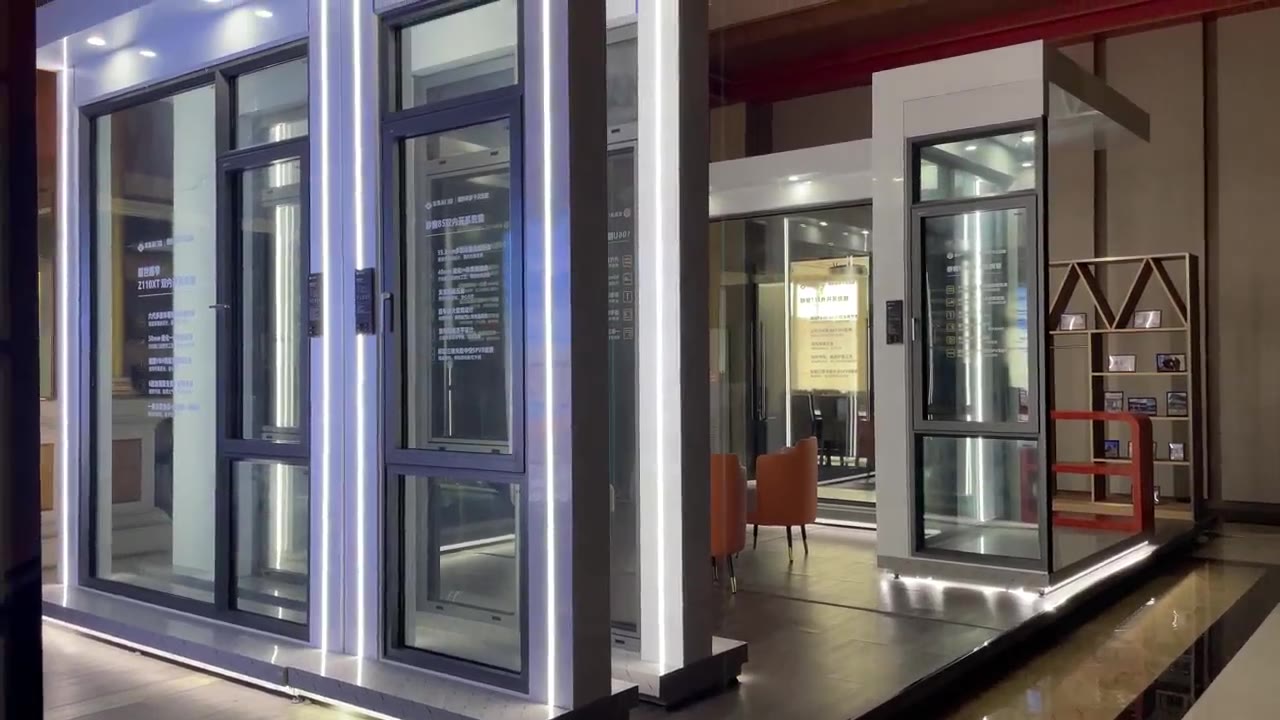
It can show finish and movement, but the project drawing must still confirm the actual opening and panel configuration.
Clear parts, adjustment, response and warranty boundaries tied to the approved system.
2026-09-15

2026-10-01