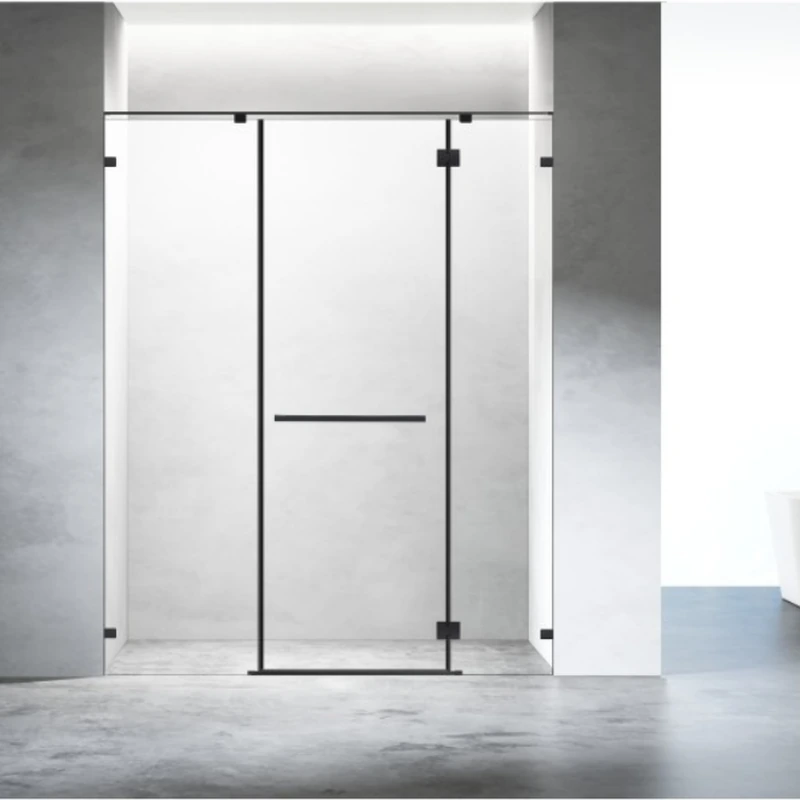
Thicker glass generally increases material weight, handling and hardware requirements, so it can raise cost. The correct thickness should come from panel size, support and system limits, not from buying the thickest option as a badge of quality.
A useful decision starts with the bathroom as built, not a catalogue thumbnail. Measure the opening, note where the water travels and put the proposed door movement on the plan before choosing a model.
| Decision area | What to record |
|---|---|
| Glass and fabrication | Thickness, polished edges, holes, cut-outs and unusual shapes |
| Door and hardware | Sliding, hinged, pivot or fixed; load rating and finish |
| Site scope | Survey, access, removal, delivery, installation and sealant |
| Risk allowance | Out-of-plumb walls, weak backing, repairs and programme constraints |
Do not approve an option only because its photograph looks close. The same appearance can be produced with different support, glass processing and service access. The written configuration is what the fabricator and installer can actually follow.
Ask the supplier to separate glass, hardware, finish, measurement, delivery, installation, removal and tax. Record assumptions about wall condition and access. Two totals are only comparable when the scope, glass type, door layout and after-sales responsibility match.
A tape-measure width at one height is not a survey. Level, plumb, square, tile lippage and obstructions can affect the glass shape and gaps, so unusual openings deserve several measurements and a clear datum.
For Does Thicker Shower Glass Cost More?, start with the condition that would make the first answer wrong. Delivery access and safe handling can matter as much as fabrication on a large panel. Check warranty scope and whether replacement seals or rollers are available.
Mark every handle, tap, niche and towel fitting near the glass. Removal work is uncertain until the old channels and sealant are exposed. That observation should appear on the drawing or survey sheet instead of being left for the installer to discover.
Separate supply, delivery, installation, removal and making-good. Record the drain centreline and the direction in which the floor falls. Together, these two checks connect the room layout to a fabricatable panel rather than treating the enclosure as loose furniture.
Special finishes can have minimum-order or replacement implications that the first quote does not show. Match panel count, door action and glass thickness line by line. A handover photograph of seals and gaps provides a useful baseline.
Record the drain centreline and the direction in which the floor falls. Do not release production while dimensions, handing or fixing support remain open. The result is a decision another person can review without relying on the original conversation.
Before releasing the supplier’s option, verify the finished opening. Show unknown conditions with a question mark.
Do not overlook that A low headline figure may omit the door hardware or site labour. Ask whether measurement and final shop drawings are included. It is easier to resolve this before delivery.
At pre-installation review, Mark every handle, tap, niche and towel fitting near the glass. Keep finish samples or codes with the purchase record, not only in a chat thread. Make the agreed condition visible to the installer.
For the question “Does Thicker Shower Glass Cost More?”, the goal is not to collect more options; it is to remove untested assumptions. Only then can appearance, cost and programme be balanced honestly.
A low enclosure price is not a saving if drainage, kerb or wall preparation is silently excluded. Ask who checks the floor fall and what happens if the opening is not ready for installation.
Keep corrective building work separate from the glass price, but make the dependency visible. That gives the client a realistic total and prevents the screen installer from being blamed for an existing waterproofing defect.
A design is ready for comparison when another reviewer can trace the glass and hardware back to stated limits. If the evidence applies to a different size or support condition, note the difference instead of assuming equivalence.
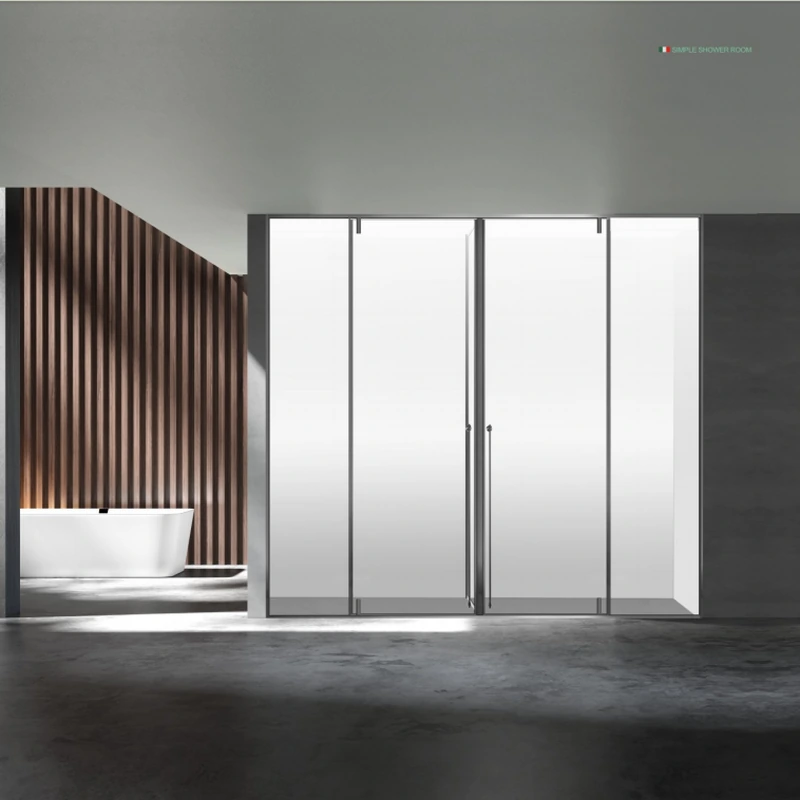
For a concrete visual reference, review the ForgeWin shower enclosure range, then compare it with the broader ForgeWin custom shower enclosure range. The examples help discuss layout; they do not replace a measured drawing.
Thicker glass generally increases material weight, handling and hardware requirements, so it can raise cost. The correct thickness should come from panel size, support and system limits, not from buying the thickest option as a badge of quality.
It should identify the glass, thickness, door layout, hardware and finish, measurement basis, delivery, installation, removal if any, taxes, lead time and exclusions. Ask for drawings or a clear configuration reference so competing prices cover the same work.
Send a dimensioned plan, straight-on and corner photos, project location, preferred door action, glass look, hardware finish, finished or unfinished status, installation scope and any access or accessibility constraints.
Thicker glass generally increases material weight, handling and hardware requirements, so it can raise cost. The correct thickness should come from panel size, support and system limits, not from buying the thickest option as a badge of quality. The reliable next step is a measured drawing and an itemised proposal that names the glass, hardware, finish, installation scope and limitations. ForgeWin can review a budget request, but a final quotation still depends on confirmed dimensions, specification, destination and scope.
Technical note: Requirements vary by country, building type and project. Confirm the current local code, supplier data and site conditions before fabrication or installation.

2026-09-01
2026-09-17

2026-09-25
2026-10-03