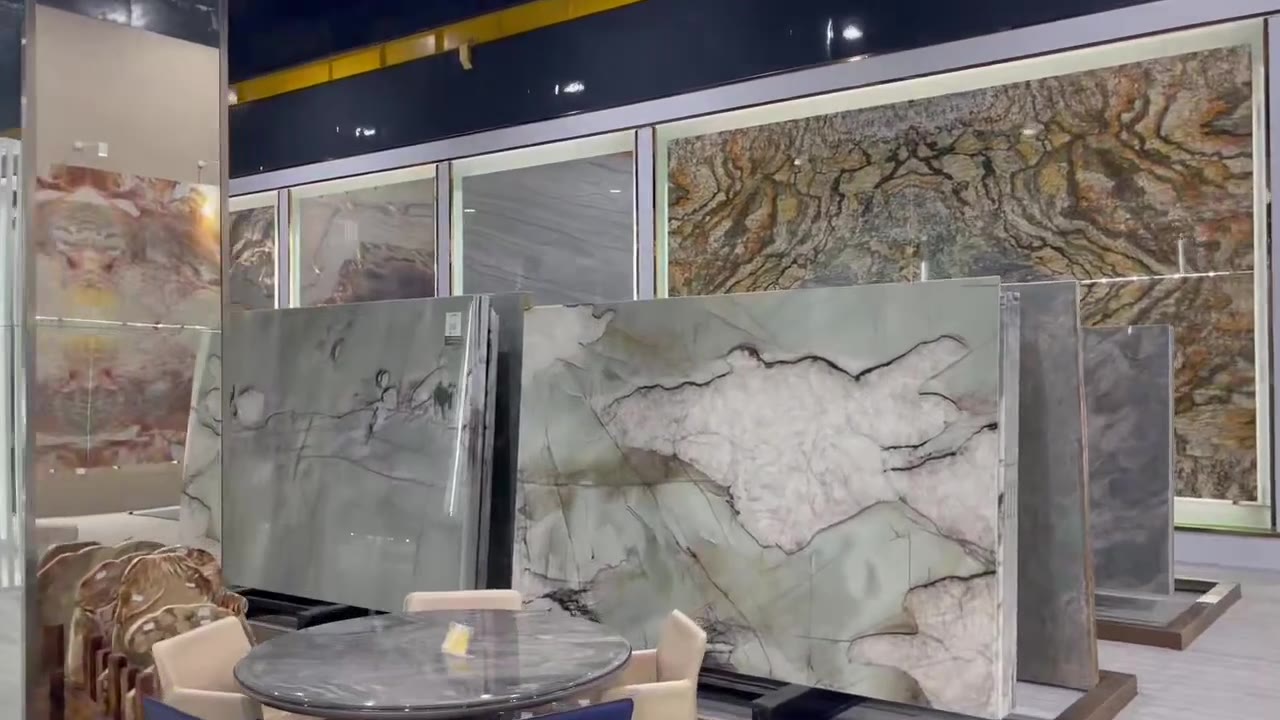
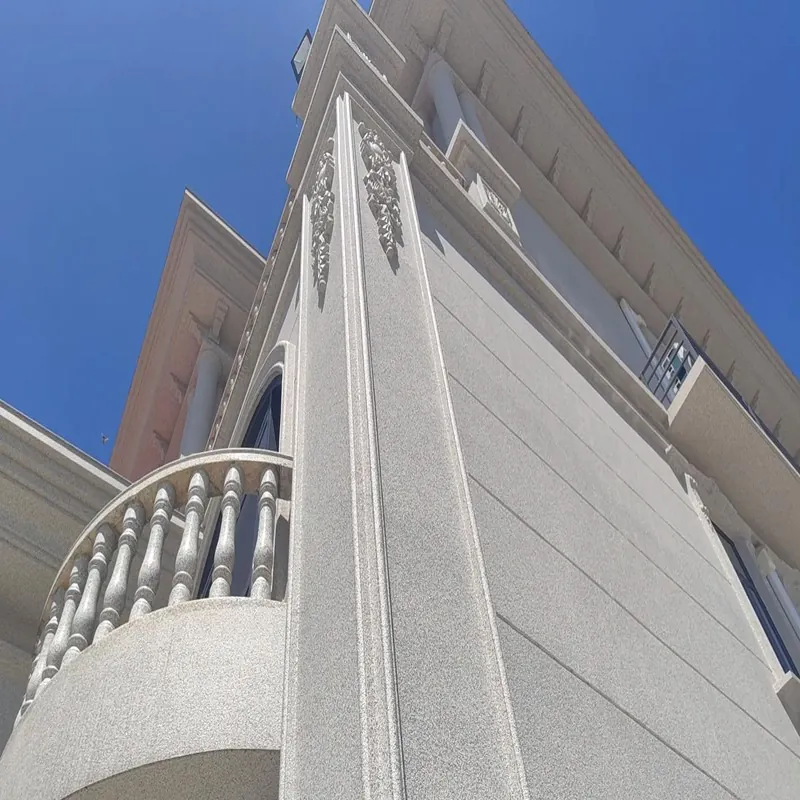
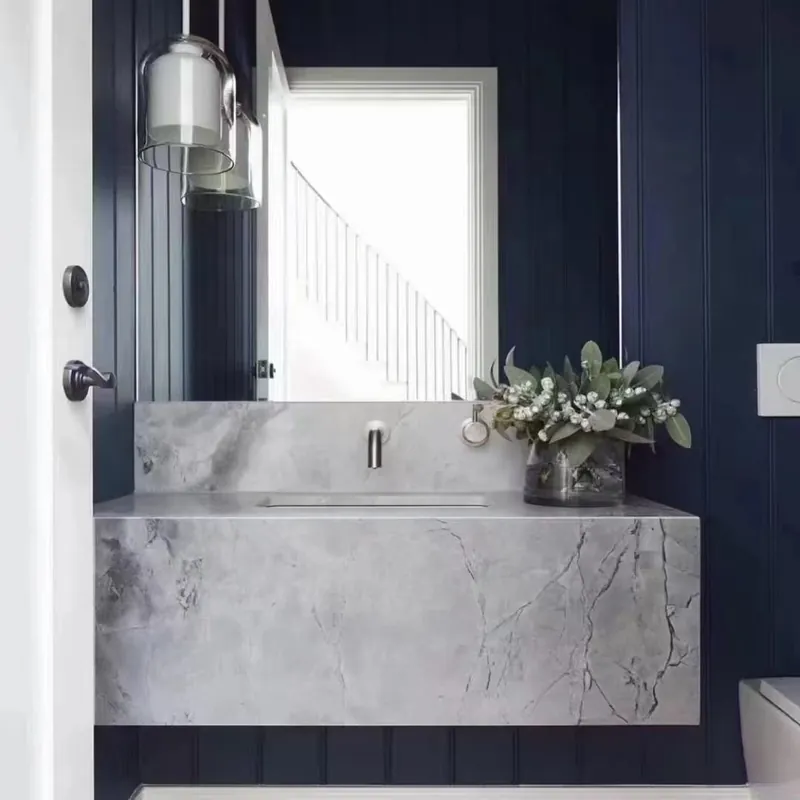
Why are some tiles so much more expensive than others? Similar-looking tiles can have very different costs because appearance is only the surface. Body composition, firing control, size and flatness tolerance, finish, print variation, test reports, shade sorting, packaging, order volume, freight and brand position all change the price. Compare specifications and samples side by side.
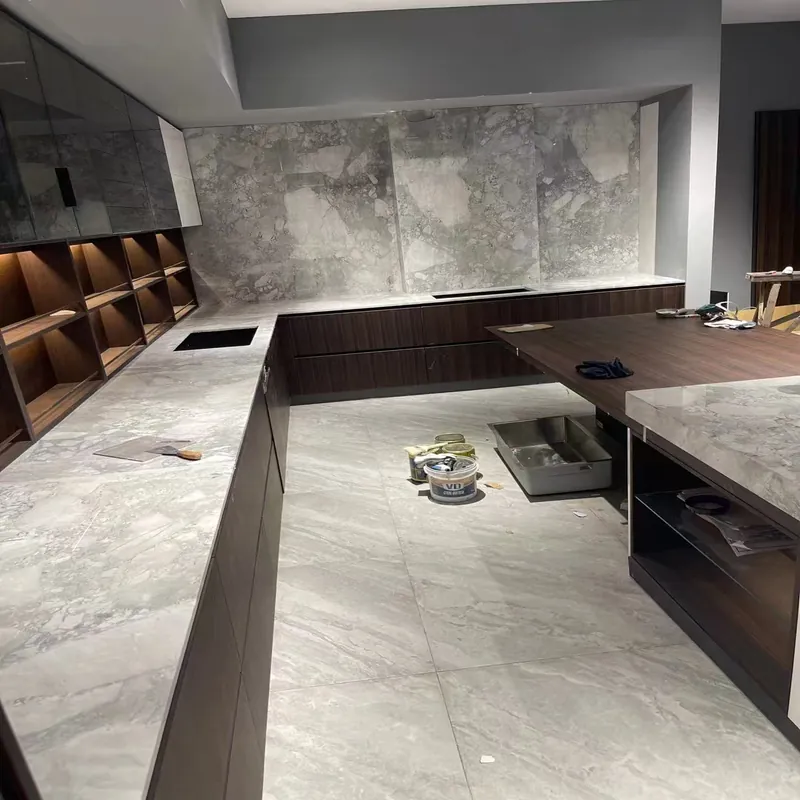
Start with the use case rather than the showroom label. That keeps appearance, performance and budget in the same decision. Make the decision from the exact product and room, not a generic label. Check several pieces together, keep the carton and batch information, and put any unverified assumption into the quotation or installation plan before work begins.
| Decision point | What to record |
|---|---|
| Measured quantity | Net area by room, plus a layout-based waste allowance |
| Material scope | Exact model, size, finish, shade/calibre and carton quantity |
| Site scope | Preparation, waterproofing, cuts, trims, protection and cleanup |
| Commercial scope | Packing, freight, duties, tax, currency and validity |
Separate the visible tile from the less visible costs: substrate work, setting materials, labour, cuts, trims, freight and tax. The cheapest line item is not always the lowest delivered or installed total. Start with the conditions the finished surface will face: water, traffic, cleaning, sunlight, temperature and impact. Then check whether the named tile and the proposed installation system are documented for those conditions.
Make the decision from the exact product and room, not a generic label. Check several pieces together, keep the carton and batch information, and put any unverified assumption into the quotation or installation plan before work begins. If the evidence is a test report, confirm that its specimen description matches the size, body and finish being quoted. If the decision is mainly visual, review several pieces together because shade and pattern repeat cannot be judged from a cropped catalogue image.
The commercial side should be equally clear. Record quantity, waste, full-carton rounding, batch or shade control, packing, delivery term, lead time and what happens if replacement pieces are needed. These details keep the answer to “Why are some tiles so much more expensive than others” useful after the first conversation.
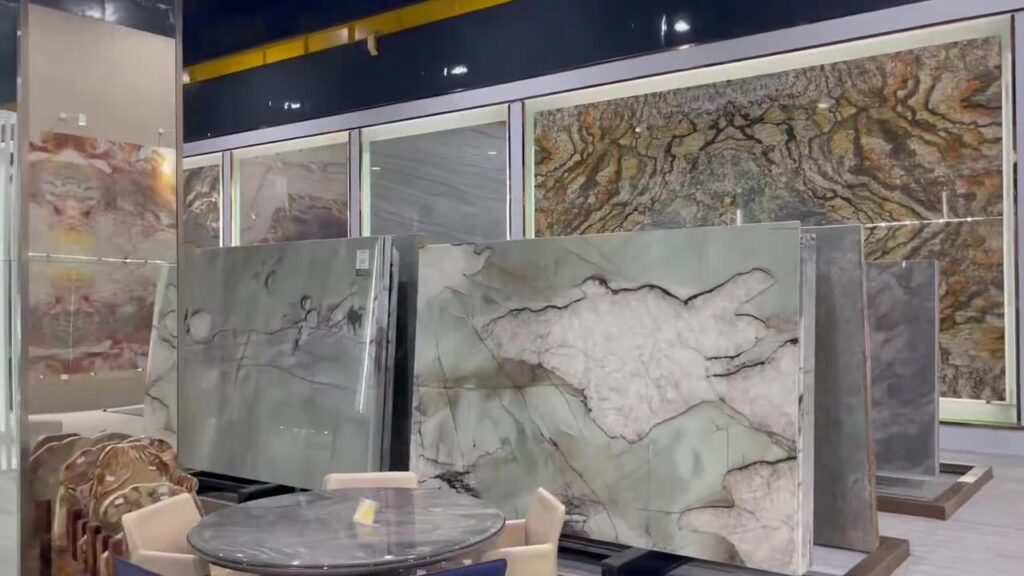
Ask the supplier or installer to state the proposed product and system rather than replying with a general “yes.” At minimum, the approval record should include:
Browse the ForgeWin tile range and use Charcoal Natural Limestone Tile FW-LI-003 as a physical colour and finish reference. For a project-specific response, send the room or drawing, quantity, destination and timing through ForgeWin contact. The measurement and installation pages show the information flow expected before production and site work.
Similar-looking tiles can have very different costs because appearance is only the surface. Body composition, firing control, size and flatness tolerance, finish, print variation, test reports, shade sorting, packaging, order volume, freight and brand position all change the price. Compare specifications and samples side by side.
Verify the exact model, work size, finish, shade and calibre, intended-use data, quantity and waste, carton details, delivery scope and the compatible installation system. Keep the approved sample and written specification together so a later substitution cannot be mistaken for the selected tile.
Approve it when the sample, layout, performance evidence, quotation and installation assumptions all identify the same product and revision. Any unresolved site measurement, test report, lead time or local-code point should remain an open item rather than being hidden in a general approval.
This article gives general planning guidance. Product suitability, test standards, prices, lead times, installation methods and code requirements must be confirmed for the exact tile, destination and site conditions.
2026-09-08
2026-09-16
2026-10-10