Commercial stainless steel cabinet cleaning works best when staff separate grease removal, routine wiping and fault reporting. Use the cabinet manufacturer's approved products and methods, then rinse or dry as directed. A more aggressive cleaner is not automatically a better choice for a stubborn mark.
Cookline grease, sink scale, fingerprints and dry-store dust need different frequencies and methods. Train staff on the approved products and keep Safety Data Sheets where required.
Use non-scratching tools and follow the finish direction. Avoid unapproved chloride-rich products and carbon-steel wool. Rinse cleaner residues and remove standing water from seams or ledges.

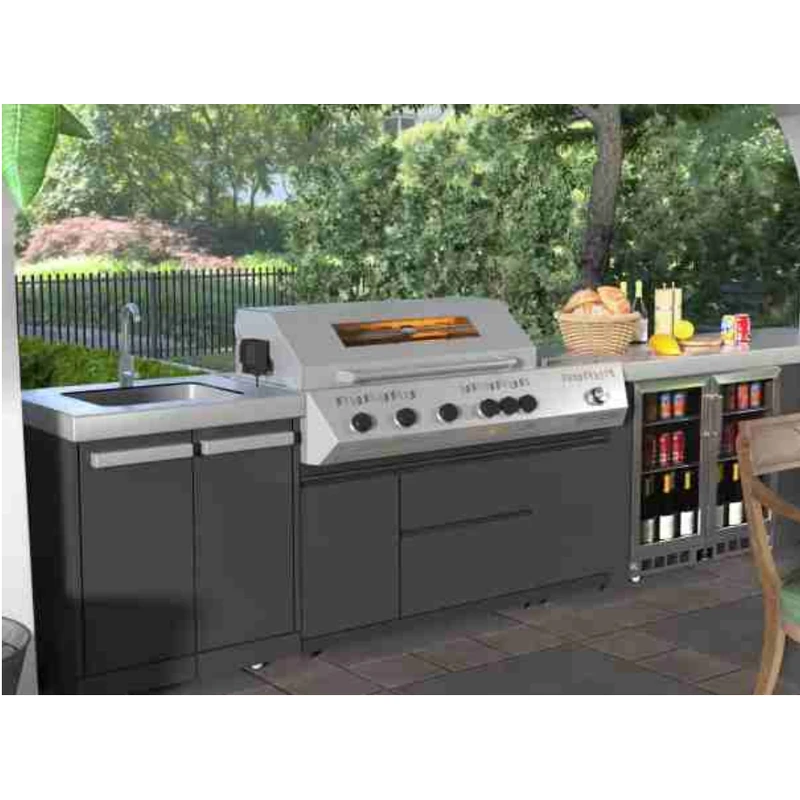
A related layout to review is FW-MK-001 cabinet layout. This residential catalog example illustrates cabinet layout; it does not establish commercial approval.
Investigate rust-colored deposits, pitting, loose hardware, failed seals and leaks. Record location, cleaner, water source and exposure; early diagnosis is easier than cosmetic repair after damage spreads.
At the end of a shift, inspect the cabinet beside the sink separately from the one beside the cookline. The first may have water deposits or a plumbing leak; the second may have greasy handles and edges. Record the location before changing products. If a mark returns quickly after cleaning, investigate the water source or surface damage instead of repeatedly scrubbing the same area.

A related layout to review is FW-MK-004 cabinet layout. This residential catalog example illustrates cabinet layout; it does not establish commercial approval.
No. A cabinet photo can illustrate access or layout, but commercial suitability depends on the supplied construction and applicable requirements. Ask for product-specific cleaning instructions and any required certification separately.
Keep the product identification, care instructions and a short record of any recurring issue together. Share the photographs and service history with the supplier when asking about the next maintenance step.