The question “Can I send you my window sizes for a quote?” sounds simple, but the right answer is still clear: Window sizes can support a preliminary quote when each measurement has units, an opening mark, quantity, operator type and measurement status. Add photos or drawings and project location. Do not release production from an unverified size list; convert it into approved shop drawings and a controlled schedule.
For “Can I send you my window sizes for a quote?”, the quality of the answer depends on converting informal files or messages into a controlled opening schedule. The quote should identify what is measured, assumed, excluded and still awaiting approval before it can become a manufacturing instruction.
The answer to “Can I send you my window sizes for a quote?” becomes clearer once these points are written down:
| Check | What to confirm |
|---|---|
| Drawings | Plans, elevations, sections and opening marks |
| Dimensions | Width, height, quantity and measurement status |
| Configuration | Operator, handing, panels and screens |
| Specification | Frame, glass, finish and hardware |
| Project terms | Location, delivery, installation, programme and currency |
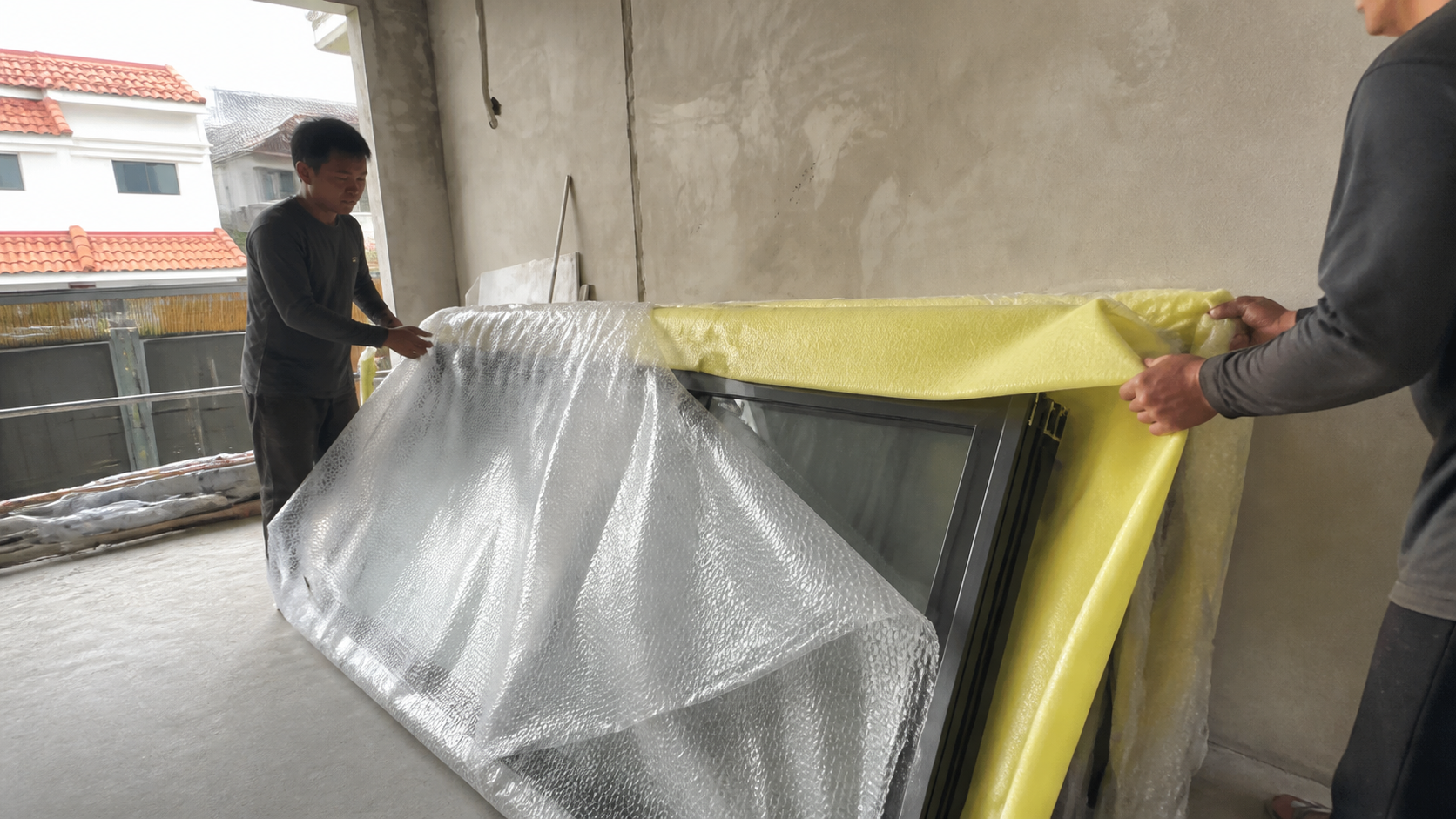
The practical link to “Can I send you my window sizes for a quote?” is the information that must appear on the drawing or quotation. A usable schedule gives every opening a mark and records width, height, operator type, handing, sill, frame system, glass, finish, hardware, screen, performance target and installation scope. It should distinguish structural opening dimensions from manufacturing dimensions and state who converts one into the other. For this decision, the schedule should make quotation inputs and revision control visible rather than burying it in general notes.
Use one controlled revision for design, quotation and approval. If a bidder changes a field, the deviation should be written beside the base requirement. This makes substitutions reviewable and helps the production label, packing list and site team use the same opening identity. It is worth checking before deciding “Can I send you my window sizes for a quote?”.
You do not need a complicated workflow to resolve “Can I send you my window sizes for a quote?”. Work through the following points in order:
For “Can I send you my window sizes for a quote?”, a useful place to continue is the 65 Series thermal-break casement window. It gives a concrete product reference for the discussion above. The ForgeWin doors and windows range and ForgeWin’s window-and-door delivery project provide broader product or installation context. Treat them as starting points: the proposed size, glass, hardware, performance and site scope still need project-specific confirmation.
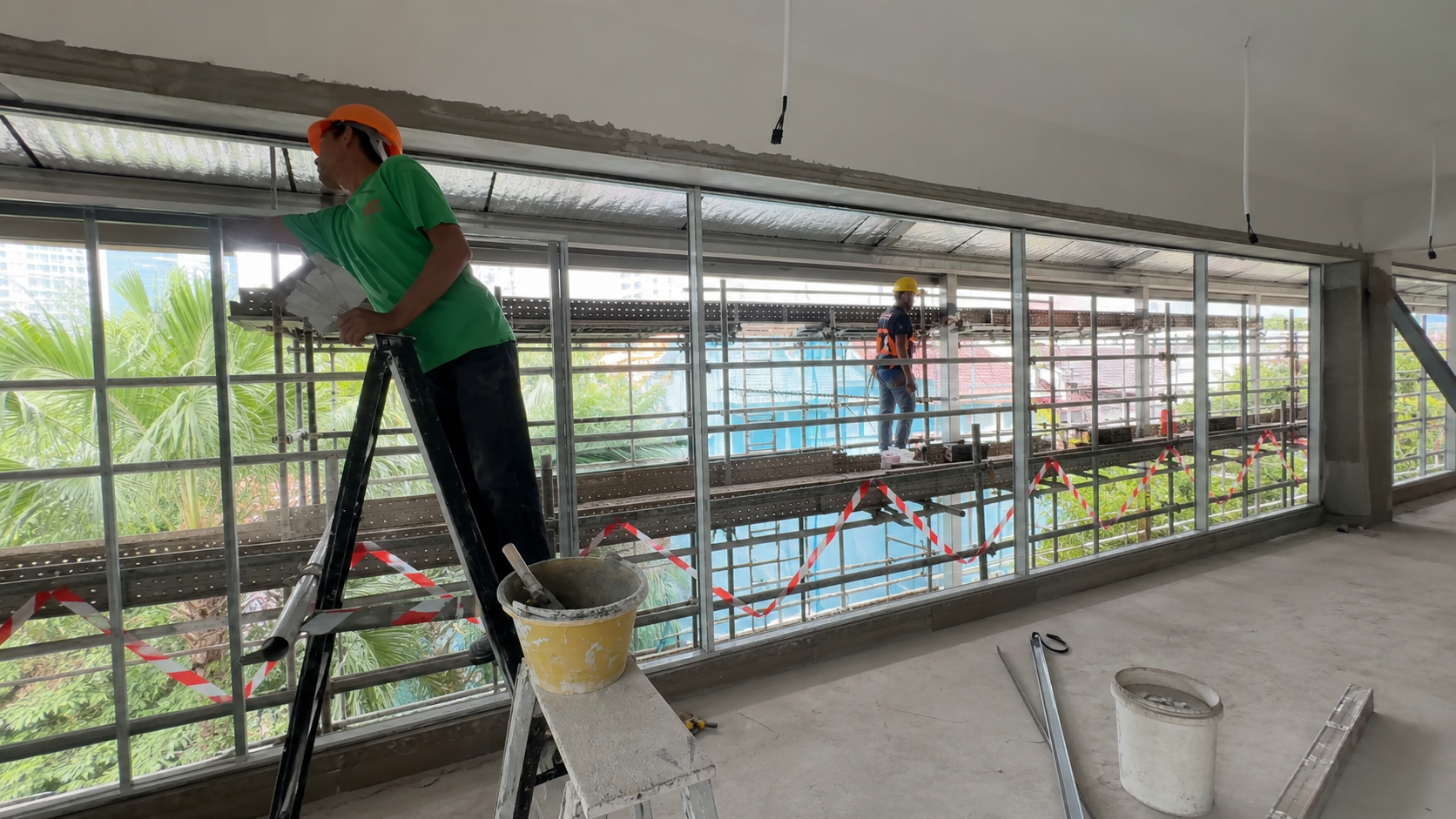
This is where the question “Can I send you my window sizes for a quote?” becomes a project detail rather than a yes-or-no answer. Specify the finish system, coded color, gloss, texture, substrate preparation, exposure class where applicable and acceptance sample. Lighting and surrounding materials change perceived color, so a digital image should never be the only approval reference. Coordinate visible gaskets, sealants, trims and touch-up material.
In practice, decide whether one elevation or room must come from a consistent batch and how minor variation will be judged. quotation inputs and revision control also requires a protection and cleaning plan: unsuitable film duration, abrasive dust or strong solvents can damage an otherwise acceptable finish. This is especially relevant to “Can I send you my window sizes for a quote?”.
Start with drawings: plans, elevations, sections and opening marks. For “Can I send you my window sizes for a quote”, that first fact sets the boundary for the rest of the answer. Then record dimensions and any assumption that still needs a drawing, measurement or supplier confirmation.
Ask the supplier to state configuration and specification, using the exact proposed configuration. The response should name exclusions and the evidence behind material claims. This matters for “Can I send you my window sizes for a quote” because a verbal yes can hide a different glass, hardware or installation scope.
It is ready for an order after the team can confirm measurements and details and issue a controlled final quotation, with dimensions and responsibilities confirmed. Until then, treat the answer to “Can I send you my window sizes for a quote” as planning guidance. Keep the accepted drawing, quotation and product reference together so production cannot follow an older assumption.
For “Can I send you my window sizes for a quote?”, this guide draws on the cited technical references and the linked ForgeWin product or project pages. The conclusion is general guidance for quotation inputs and revision control, not a configuration-specific test report, fixed price or substitute for local code and project engineering.