In brief: Stainless steel base cabinets should be selected as a complete cabinet system, not as a material label. Plan modules, worktop support, drawers, toe-kicks and appliance gaps. For kitchen designers and installers, the useful question is not whether metal cabinets look durable; it is whether the documented system fits the exposure, workflow and installation. The guidance below is intended for kitchen designers and installers and distinguishes estimates from verifiable product or regulatory requirements.
The goal is to convert the search term into an approval-ready brief. The decision should cover module width, depth, worktop load, drawer configuration, toe-kick, leveling and service access. If one supplier assumes a full stainless carcass and another prices only stainless fronts, their totals are not comparable. The same problem occurs when grades, thicknesses, hardware, worktops or installation are left unstated.
Start with the environment and use. Indoor residential storage, restaurant preparation, an exposed terrace and a garage workshop place different demands on cabinets. “Stainless” means corrosion resistant, not corrosion proof, and the finished product still depends on surface condition, fabrication, detailing and care.
List each base cabinet by width, function, door or drawer arrangement, shelf count and adjacent appliance. Standard modules simplify fabrication, but corners, sinks and appliance housings need project-specific details.

Stone, metal and composite worktops have different spans, cut-outs and fixing needs. Show rails, reinforcements, joints and sink support. Do not assume the cabinet top edge alone is adequate for every worktop.
Toe-kicks influence ergonomics, cleaning and leveling. Decide whether they are recessed, removable or sealed, and how floor irregularities are handled. Provide access to valves or connections that require maintenance.
| # | Decision factor | What to put in the project record |
|---|---|---|
| 1 | module width | Name the supplier, installer or designer responsible for verification. |
| 2 | depth | Show the requirement on the schedule and coordinated drawings. |
| 3 | worktop load | Record the sample, model, measurement or certificate used for approval. |
| 4 | drawer configuration | Define the acceptance point and supporting document. |
| 5 | toe-kick | Name the supplier, installer or designer responsible for verification. |
| 6 | leveling and service access | Show the requirement on the schedule and coordinated drawings. |

This checklist is intentionally evidence-based. It does not assume that a grade name proves weather resistance, that a smooth photo proves cleanability, or that a material certificate proves whole-product certification. Where a project needs legal or sanitary compliance, ask the authority having jurisdiction and verify current requirements.
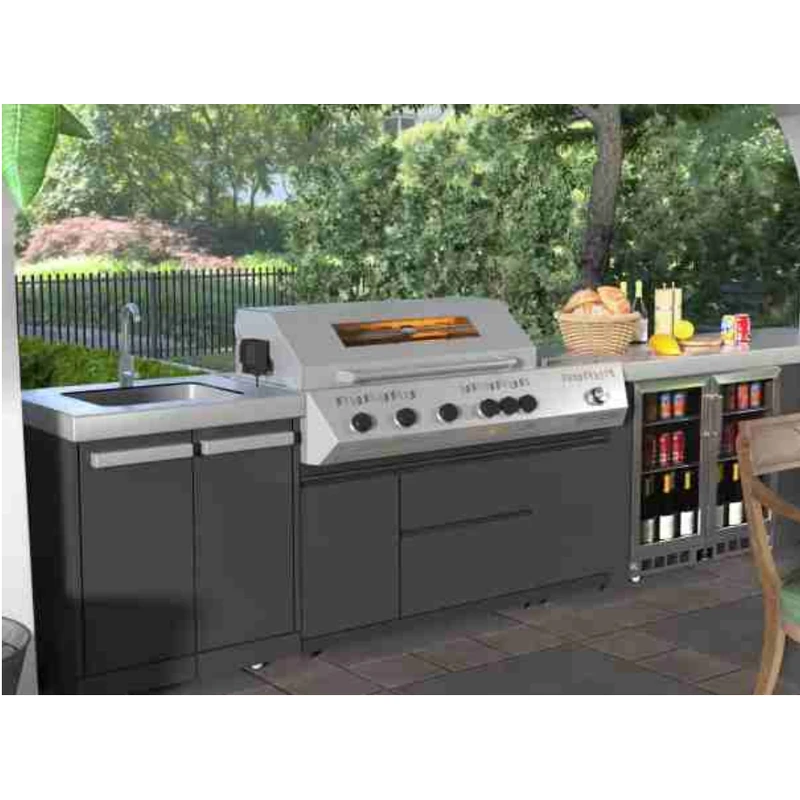
Start with ForgeWin’s custom kitchen cabinet overview, then use the cabinet collection to discuss layouts and finish directions. Outdoor projects should also review the 304 vs 316 guide. Images illustrate design directions; approved documents must state the supplied specification.
For stainless steel base cabinets, put module width, depth, worktop load, drawer configuration in the written project record. Identify the grade and scope of bodies, fronts, shelves, fasteners and hardware. Add dimensions, samples, interfaces, installation responsibility and evidence requirements so every bidder prices the same deliverable.
No. Stainless steel base cabinets must be checked against the actual environment, cleaning method, loads, appearance goals and applicable rules. An indoor home, foodservice line, coastal terrace and workshop are different use cases. Compare a complete assembly and require evidence for the exact supplied components.
Reduce risk by freezing appliance and utility data, completing a site survey, approving physical samples and checking coordinated shop drawings. Keep a dated change log and name the person authorized to approve revisions. Do not release irreversible fabrication from a rendering, nominal appliance width or verbal promise.
Stainless steel base cabinets is best evaluated through a documented project process: define the environment and use, write the component scope, coordinate appliances and services, approve samples and drawings, and verify any compliance claim. That approach gives kitchen designers and installers a clearer basis for comparing quotations and reduces expensive changes after fabrication.
Evidence note for Stainless Steel Base Cabinets: Technical and regulatory links support general selection principles. Project dimensions, alloy choice, certification, installation and maintenance must be confirmed for the specific site and supplied product. This draft was prepared on 2026-08-24 and should be rechecked if standards or product specifications change.