For anyone weighing up “Why does my room get so hot even when the windows are closed?”, the useful answer is: A room can overheat with closed windows because solar radiation passes through glass, warm surfaces radiate inward, air leaks, internal loads add heat or shading/ventilation is inadequate. Review orientation, SHGC, window area, external shading, frame/glass ratings and cooling/ventilation before replacing the window alone.
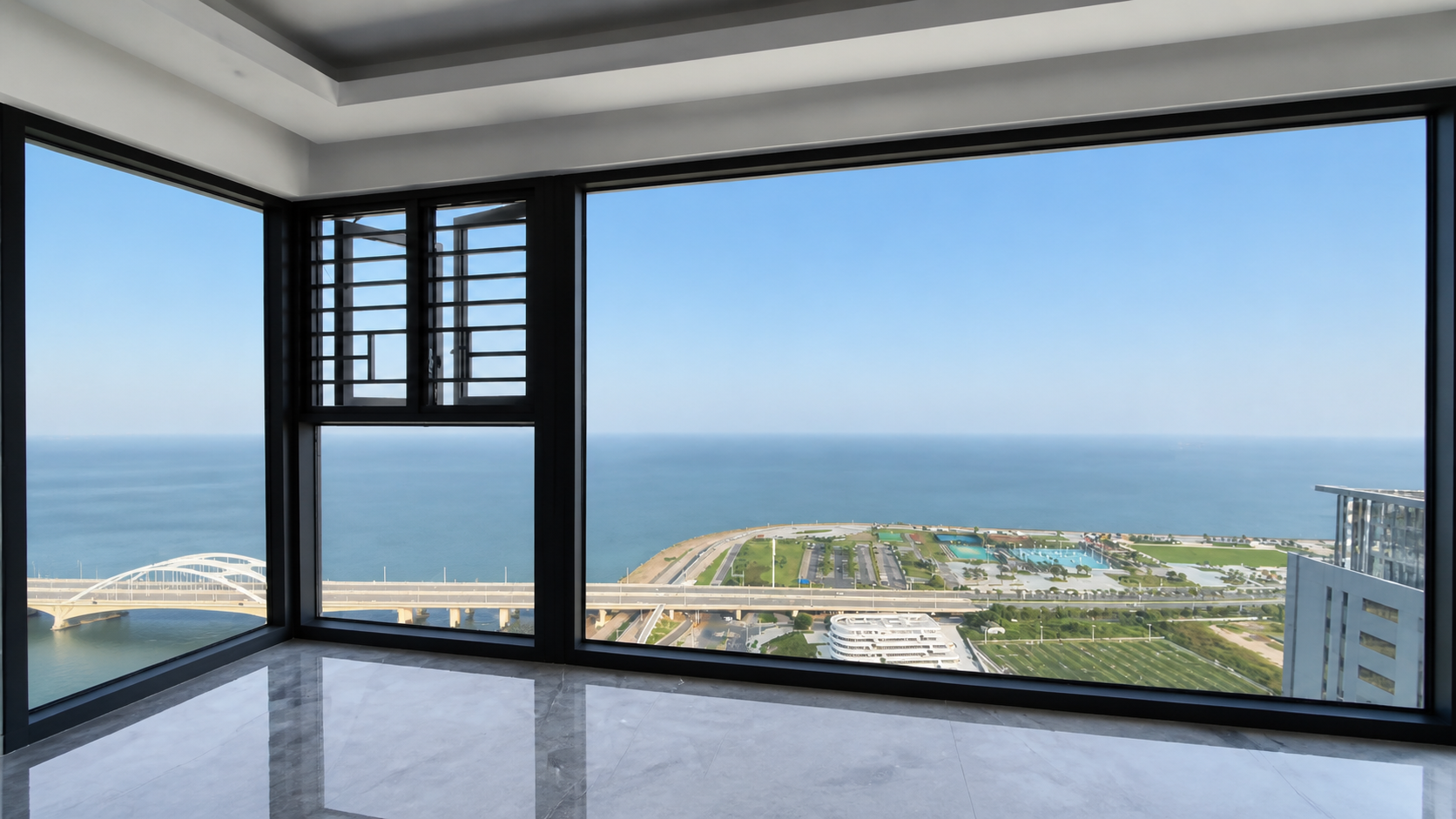
The answer to “Why does my room get so hot even when the windows are closed?” becomes clearer once these points are written down:
| Check | What to confirm |
|---|---|
| Climate and orientation | Cooling/heating balance and sun exposure |
| U-factor | Whole-product heat-flow rating |
| SHGC | Solar heat admitted through the product |
| VT and shading | Daylight, glare and external/internal control |
| Air and condensation | Seals, humidity and surface-temperature risk |
For “Why does my room get so hot even when the windows are closed?”, separate solar gain, conductive heat flow, air leakage and indoor humidity. These mechanisms require different measurements and solutions; the correct glass or frame choice must be tied to the climate, orientation and room conditions.
For “Why does my room get so hot even when the windows are closed?”, a useful place to continue is the 75 Series aluminium sliding window. It gives a concrete product reference for the discussion above. The ForgeWin doors and windows range and ForgeWin’s multi-panel window wall project provide broader product or installation context. Treat them as starting points: the proposed size, glass, hardware, performance and site scope still need project-specific confirmation.
For “Why does my room get so hot even when the windows are closed?”, this detail is often more useful than a generic product claim. A glass note should name pane thicknesses, heat treatment or lamination, cavity, gas where used, coating product and surface, tint, spacer, edge deletion where relevant, safety markings and appearance limits. Saying only double glazed or tempered leaves weight, thermal behavior and optical appearance unresolved.
The glass build-up for Why does my room get so hot even when the windows are closed? changes panel mass, hardware load and edge support. Coordinate setting blocks, gasket compatibility, bite, clearances, drainage and replacement access. When whole-product heat flow and climate-specific solar control drives the design, confirm that the approved sample and calculations use the same build-up as the quotation. Keep it in the brief for “Why does my room get so hot even when the windows are closed?”.
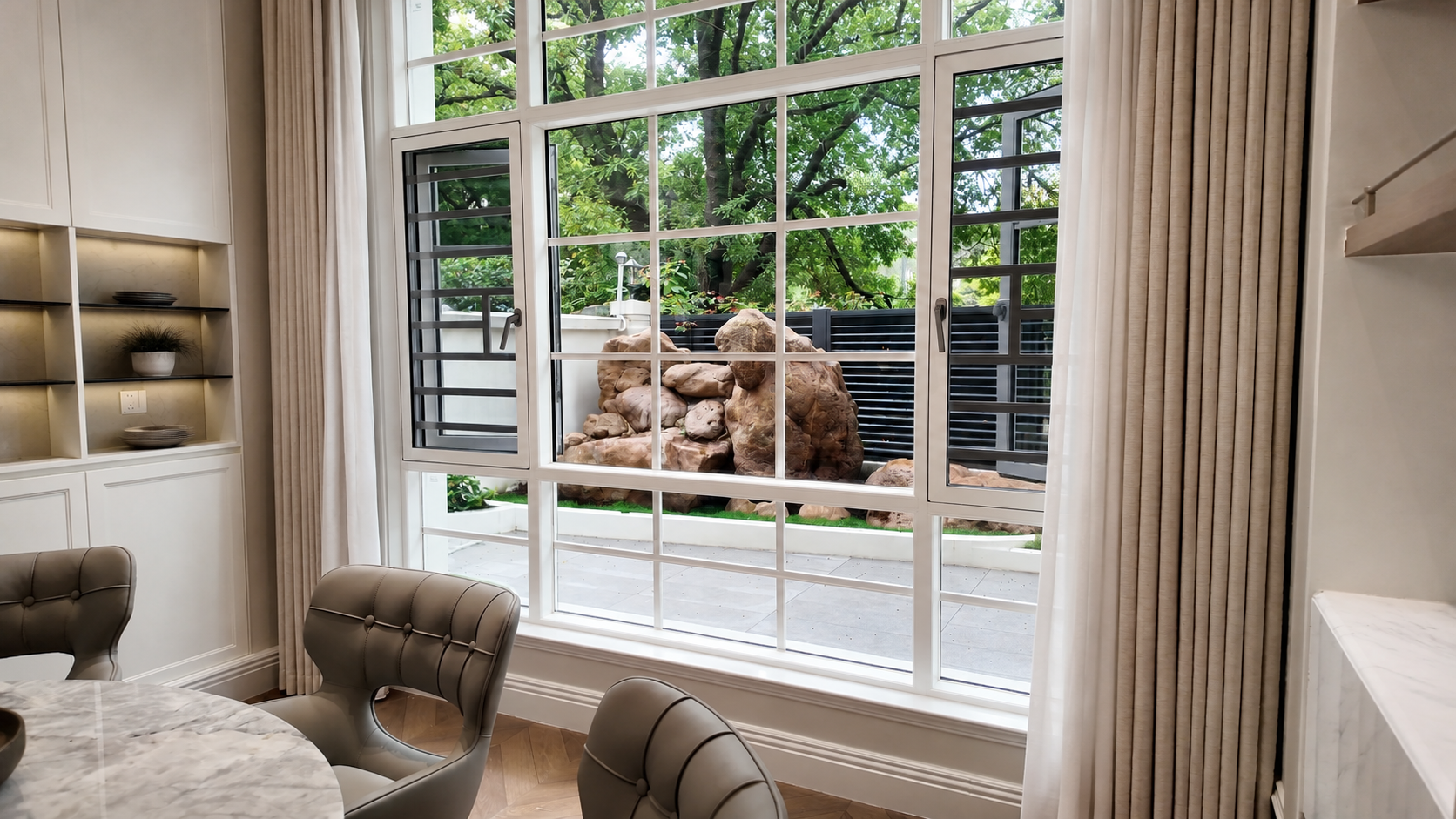
This gives the question “Why does my room get so hot even when the windows are closed?” a checkable project basis. An inspection plan can include incoming material identity, critical dimensions, drainage machining, corner assembly, glass and hardware identity, operation, appearance, labels and packing. Set the sample size or hold point, acceptance method, record format and authority to release or reject work.
Once the opening is defined, inspect the first completed unit against drawings and samples before repeating the same condition. whole-product heat flow and climate-specific solar control may justify additional checks at mock-up, pre-shipment or installation stages. Photograph evidence with opening marks so a close-up can be linked to the correct unit. That is the practical connection to “Why does my room get so hot even when the windows are closed?”.
You do not need a complicated workflow to resolve “Why does my room get so hot even when the windows are closed?”. Work through the following points in order:
It is ready for an order after the team can check air sealing and model or verify the proposed configuration, with dimensions and responsibilities confirmed. Until then, treat the answer to “Why does my room get so hot even when the windows are closed” as planning guidance. Keep the accepted drawing, quotation and product reference together so production cannot follow an older assumption.
Start with climate and orientation: cooling/heating balance and sun exposure. For “Why does my room get so hot even when the windows are closed”, that first fact sets the boundary for the rest of the answer. Then record u-factor and any assumption that still needs a drawing, measurement or supplier confirmation.
Ask the supplier to state shgc and vt and shading, using the exact proposed configuration. The response should name exclusions and the evidence behind material claims. This matters for “Why does my room get so hot even when the windows are closed” because a verbal yes can hide a different glass, hardware or installation scope.
For “Why does my room get so hot even when the windows are closed?”, this guide draws on the cited technical references and the linked ForgeWin product or project pages. The conclusion is general guidance for whole-product heat flow and climate-specific solar control, not a configuration-specific test report, fixed price or substitute for local code and project engineering.