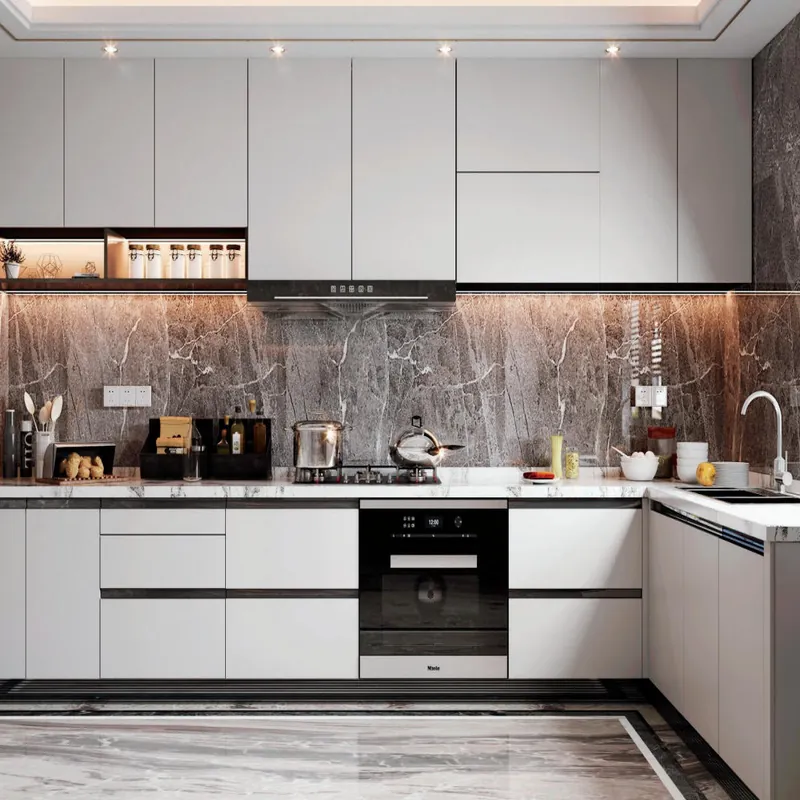
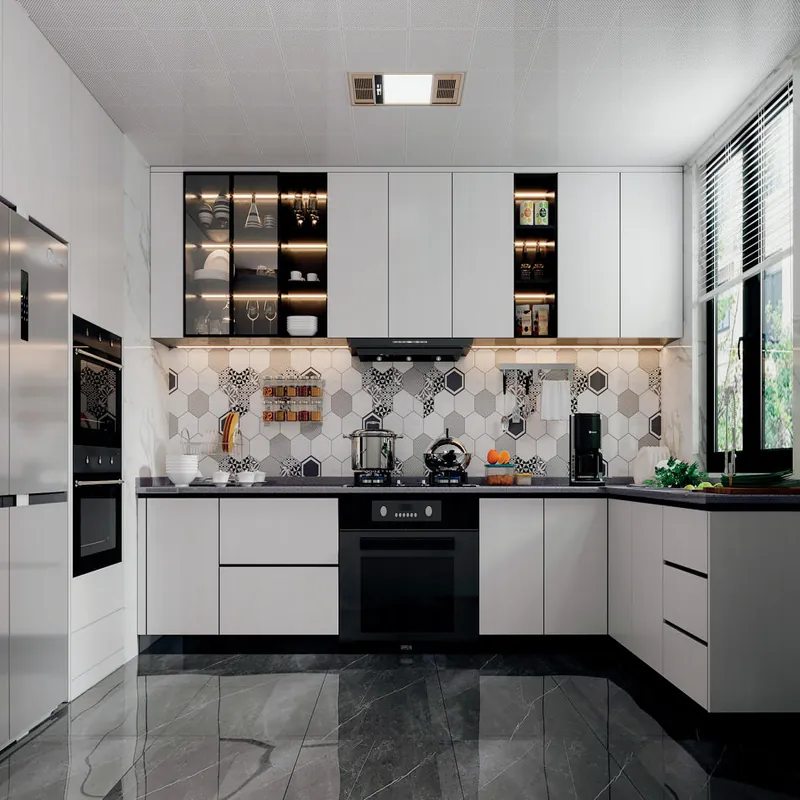
A useful answer starts with the room and the approved scope, not a catalogue label. Yes. Custom cabinetry can be scribed around a beam, column or irregular wall, provided the structure and any required access remain untouched. The best solution may divide the cabinet into modules, use a deliberate reveal or turn the obstruction into a shelf or service zone.
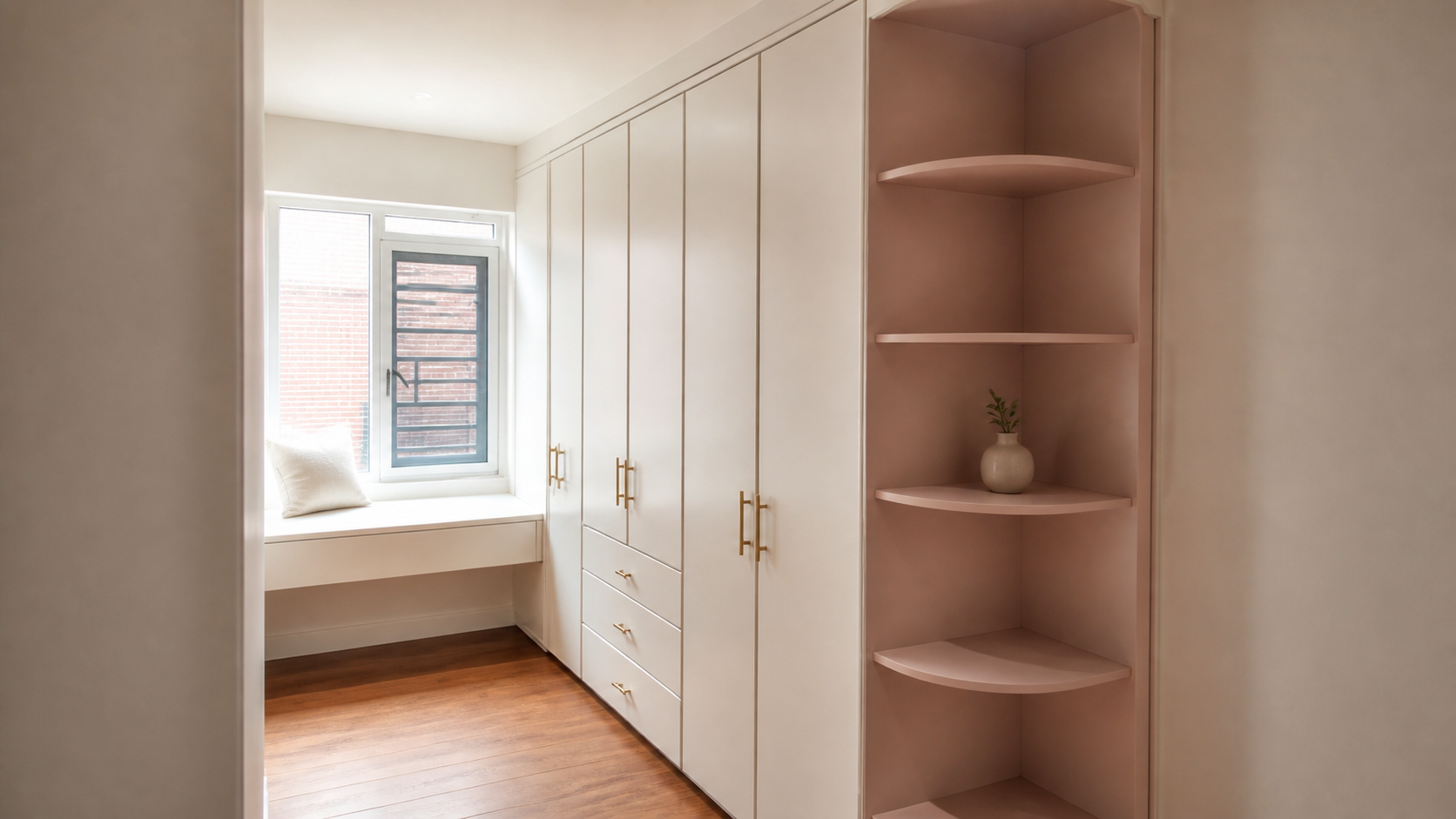
The decision becomes easier when appearance, construction and site responsibility are reviewed separately. Survey the obstruction at several heights. Do not conceal valves, electrical boxes or inspection points.
Humidity should be treated as a room condition, not a problem that a fragrance block can solve. The US EPA identifies moisture control as the key to mold control, while wood guidance from the US Forest Service explains why surrounding humidity affects wood-based materials.
| Decision | What to put in writing |
|---|---|
| Clothing inventory | Long hanging, short hanging, folded items, drawers and luggage |
| Room constraints | Bed clearance, doors, sockets, skirting, beams and ceiling |
| Access | Hinged, sliding or glass fronts and the opening each provides |
| Interior | Adjustable shelves, drawers, rails, lighting and future changes |
| Moisture | Dry wall condition, ventilation, leaks and cleaning routine |
Final production should follow verified dimensions and approved technical drawings rather than a concept image or early estimate. This is why a sample, drawing and quotation should be read together rather than treated as separate approvals.
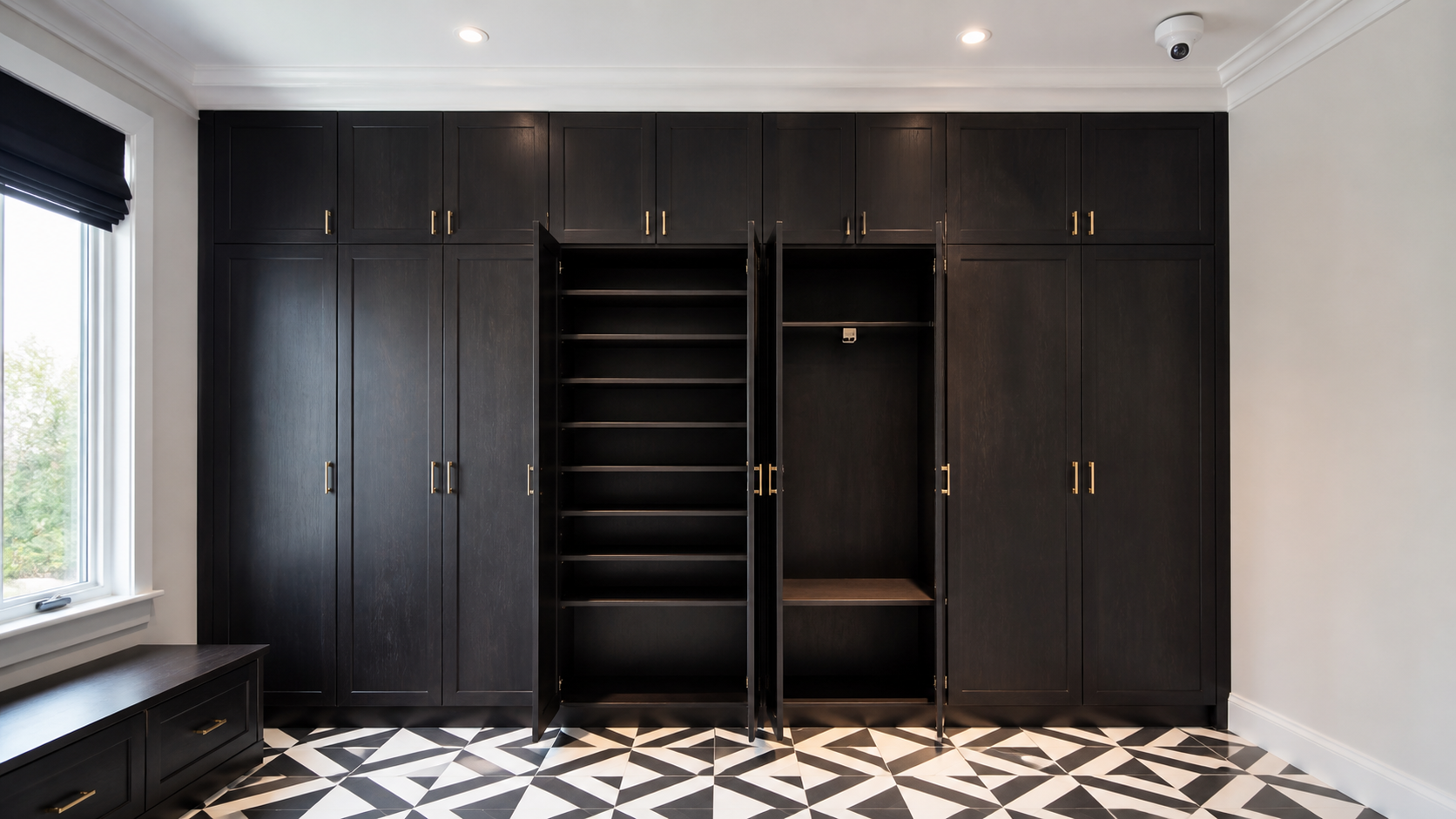
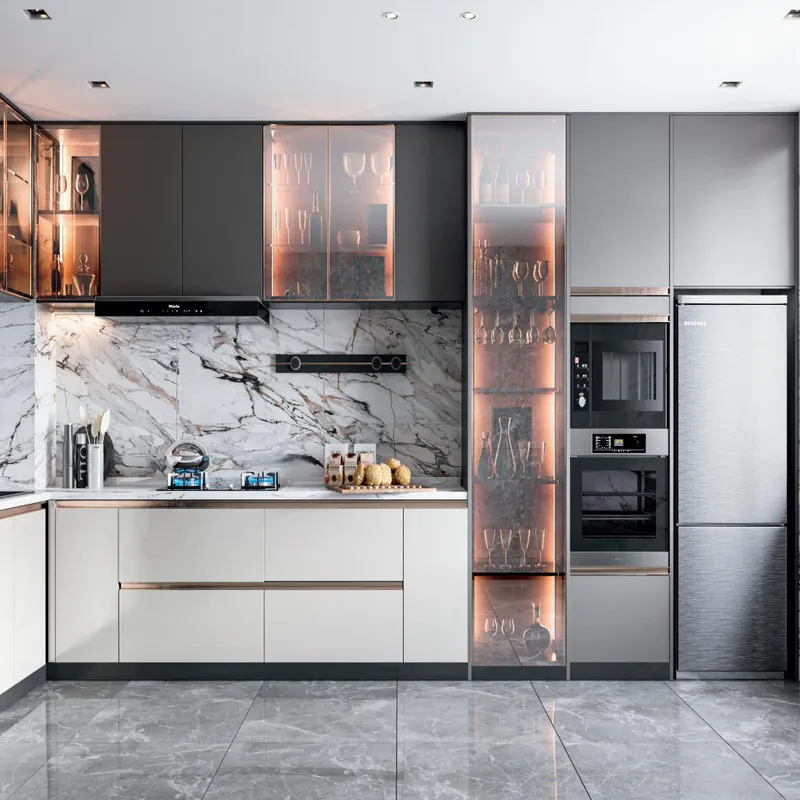
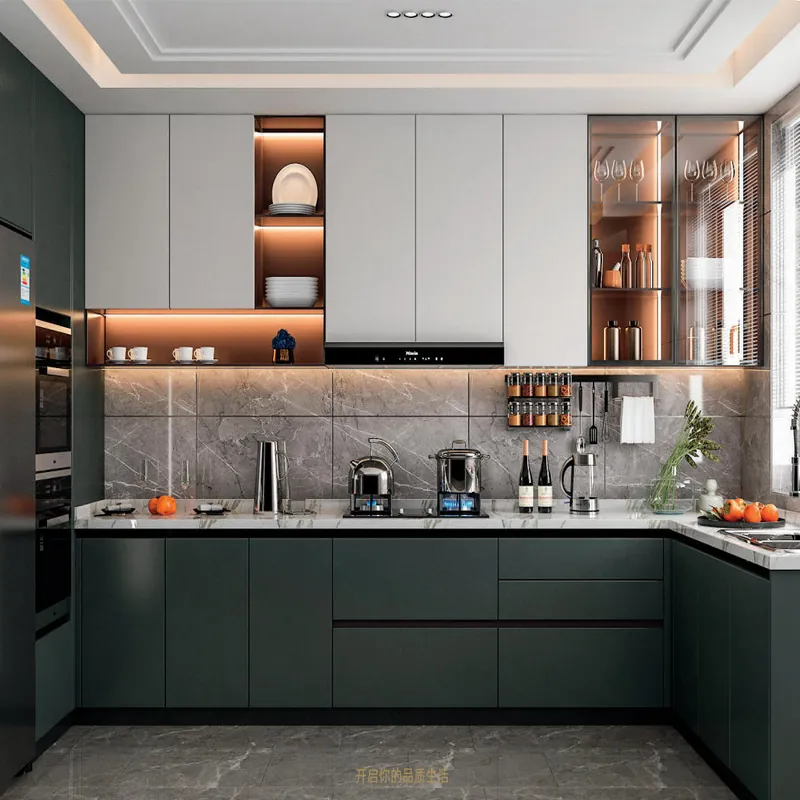
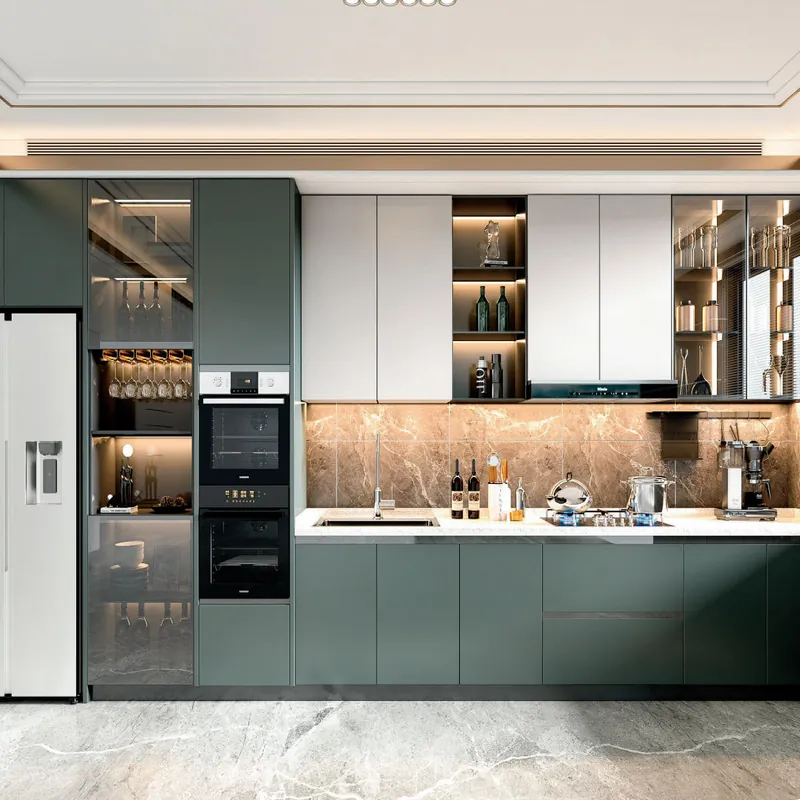
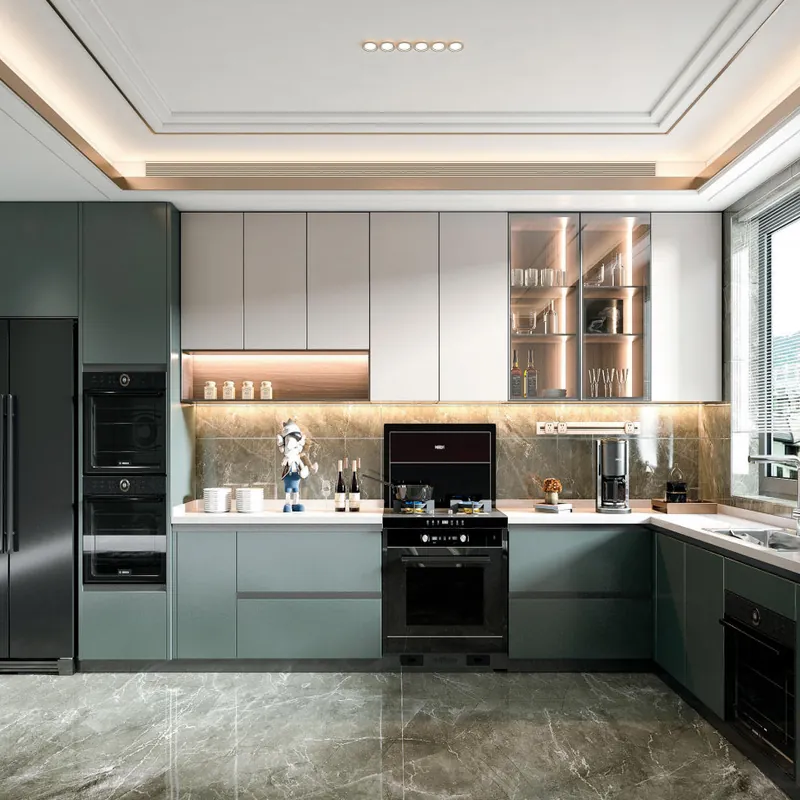
ForgeWin can review the room information through its ForgeWin design process and ForgeWin measurement guide, then connect the approved design to ForgeWin production process. The Kitchen & Wardrobe product range provides visual starting points, but the project is manufactured from approved dimensions, materials and hardware—not from the inspiration image alone.
For a quotation, include the room or floor plan, labelled photographs, ceiling height, appliance models, finish direction, destination and installation expectations. That package makes the reply faster and reduces allowances that later become variations. Contact ForgeWin with the project brief when those basics are ready.
A full-height wardrobe with a calm front, efficient internal drawers and carefully chosen door type usually works best in a small bedroom. Sliding doors help with tight clearances; slim hinged doors can be better when full access matters. Avoid deep decorative recesses that sacrifice usable storage.
Yes. A built-in wardrobe can be adjusted to the room width, height, skirting, sockets, beams and bed clearance. Final dimensions should come from a site survey; floor plans are useful for an initial proposal but rarely show every finished-site condition.
Prevent wardrobe mold by controlling moisture first: repair leaks, keep clothes dry, maintain room ventilation and avoid trapping a cold or damp wall behind sealed cabinetry. The US EPA recommends keeping indoor humidity below 60% where possible, ideally between 30% and 50%.
Last reviewed: 29 August 2026. Project requirements, local regulations and manufacturer data can change; confirm the current documents for the destination and exact specification.