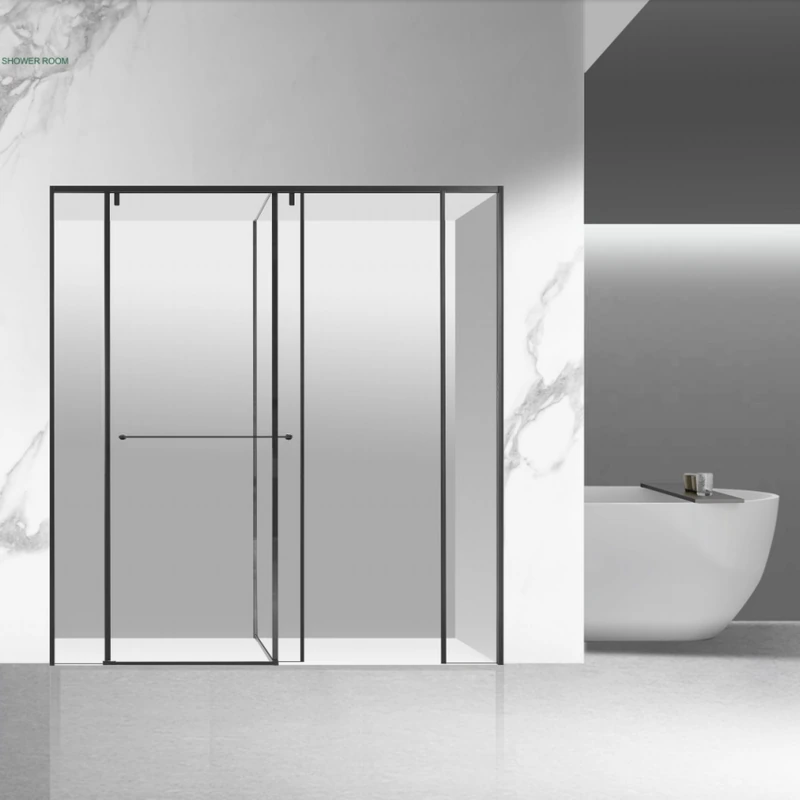
Prevent white spots by removing droplets before they dry: squeegee after use, ventilate the room and keep soap residue from building up. Where water is mineral-rich, more frequent light cleaning is safer than occasional aggressive descaling.
A useful decision starts with the bathroom as built, not a catalogue thumbnail. Measure the opening, note where the water travels and put the proposed door movement on the plan before choosing a model.
| Decision area | What to record |
|---|---|
| Daily habit | Squeegee and ventilation after use |
| Routine clean | Clean water, mild non-abrasive product and soft tools |
| Deposits | Identify mineral scale, soap film or coating damage first |
| Hardware and seals | Rinse residue; inspect rollers, joints and replaceable strips |
Treat every change as a system change. A wider door may need different hinges; thicker glass adds weight; a new finish can change cleaning advice. Ask the supplier to revise the drawing and specification together, not only the price line.
White spots form after droplets evaporate and leave dissolved material behind. A clean squeegee removes most water in seconds; ventilation and a dry lower edge help. Where the supply is hard, shorten the light-cleaning interval instead of waiting for a thick crust.
If finishes are incomplete, record who converts structural dimensions into final glass sizes. That single responsibility avoids two teams each assuming the other allowed for tile, adhesive and tolerances.
For How Do You Prevent White Water Spots on Shower Glass?, start with the condition that would make the first answer wrong. A coating can be harmed by a product that is acceptable on uncoated glass. Photograph a persistent mark before trying a stronger treatment.
State whether the room is occupied, under renovation or ready for handover. Abrasive powder can trade a visible deposit for permanent fine scratches. That observation should appear on the drawing or survey sheet instead of being left for the installer to discover.
Begin with water, mild detergent and a clean soft applicator. Note whether the substrate is concrete, masonry, framed wall or unknown. Together, these two checks connect the room layout to a fabricatable panel rather than treating the enclosure as loose furniture.
Hard-water scale becomes more stubborn when repeatedly allowed to dry. Replace worn sweeps rather than scrubbing damaged material indefinitely. Do not release production while dimensions, handing or fixing support remain open.
Mark every handle, tap, niche and towel fitting near the glass. A short review call around the marked-up drawing often prevents a costly site workaround. The result is a decision another person can review without relying on the original conversation.
Before releasing the supplier’s option, photograph the fixing surfaces. Attach the site photos to that revision.
The review should allow for the fact that Strong acids near hardware and sealant create risks beyond the glass face. Rinse thoroughly and remove water with a clean squeegee. This closes a gap before fabrication.
At pre-installation review, State whether the room is occupied, under renovation or ready for handover. A handover photograph of seals and gaps provides a useful baseline. Keep the accepted limitation beside the product reference.
For the question “How Do You Prevent White Water Spots on Shower Glass?”, the goal is not to collect more options; it is to approve a serviceable complete system. This makes the answer useful to the fabricator, installer and owner.
A well-directed shower and a floor that drains cleanly leave less standing water on seals and tracks. Ventilation and a quick squeegee reduce the load before any chemical cleaner is needed.
Rinse cleaner from glass and metal, then dry the lower edges where deposits collect. If a coating is specified, keep its approved-product instructions with the handover pack.
The practical value of an industry guide is not a single magic dimension; it is the discipline of matching panel geometry, hardware, substrate and use. Keep that chain visible in the approval record.
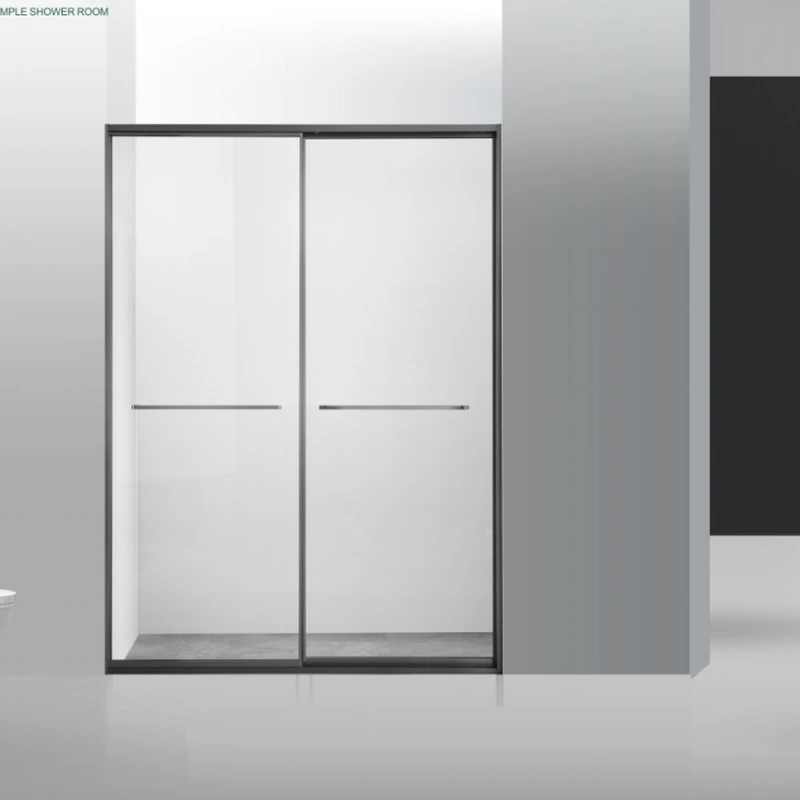
When requesting a proposal, reference the ForgeWin shower enclosure range if its door action is close to the requirement. Pair that link with the dimensions and site photos described above; ForgeWin’s range overview is the broader entry point.
Prevent white spots by removing droplets before they dry: squeegee after use, ventilate the room and keep soap residue from building up. Where water is mineral-rich, more frequent light cleaning is safer than occasional aggressive descaling.
Begin with clean water and a mild, non-abrasive cleaner applied with a soft, grit-free cloth or pad. Test a small area, avoid metal scrapers and follow any coating, seal and hardware manufacturer instructions.
Send a dimensioned plan, straight-on and corner photos, project location, preferred door action, glass look, hardware finish, finished or unfinished status, installation scope and any access or accessibility constraints.
Prevent white spots by removing droplets before they dry: squeegee after use, ventilate the room and keep soap residue from building up. Where water is mineral-rich, more frequent light cleaning is safer than occasional aggressive descaling. The reliable next step is a measured drawing and an itemised proposal that names the glass, hardware, finish, installation scope and limitations. The cited dimensions and practices are reference points, not automatic approval for a particular project or jurisdiction.
Technical note: Requirements vary by country, building type and project. Confirm the current local code, supplier data and site conditions before fabrication or installation.
2026-09-11
2026-09-27