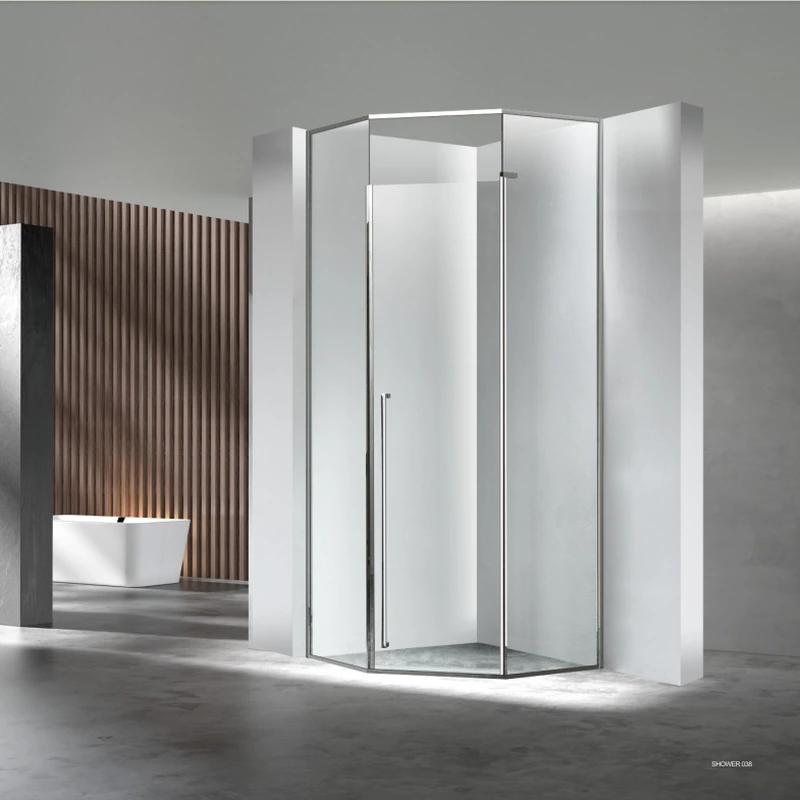
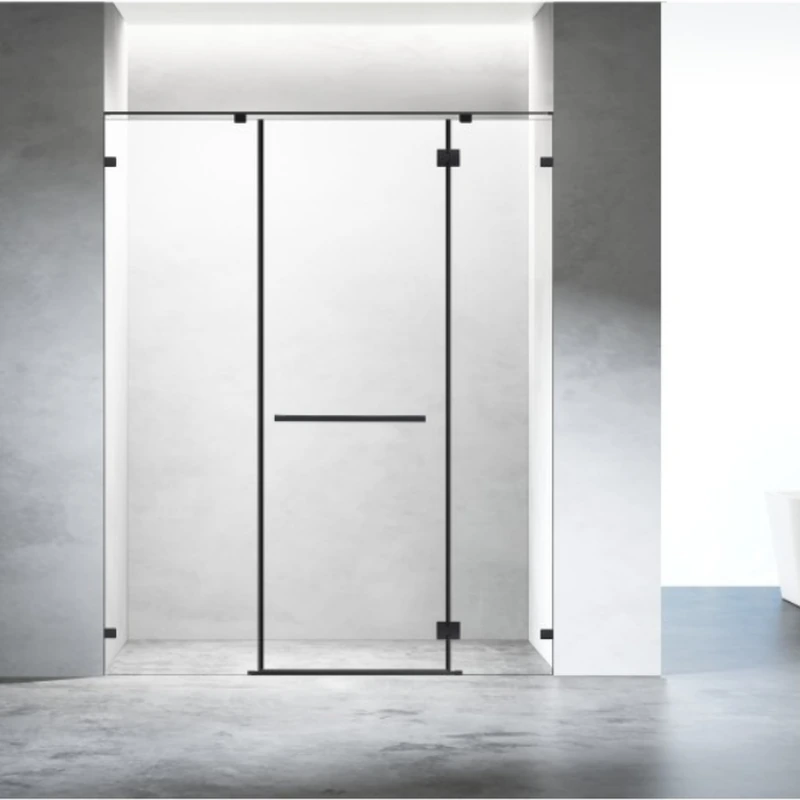
The right answer depends on the finished opening, user needs, water-management design and the tested limits of the chosen glass and hardware system. Decide from measured conditions rather than a showroom image alone.
A useful decision starts with the bathroom as built, not a catalogue thumbnail. Measure the opening, note where the water travels and put the proposed door movement on the plan before choosing a model.
| Decision area | What to record |
|---|---|
| Daily habit | Squeegee and ventilation after use |
| Routine clean | Clean water, mild non-abrasive product and soft tools |
| Deposits | Identify mineral scale, soap film or coating damage first |
| Hardware and seals | Rinse residue; inspect rollers, joints and replaceable strips |
The table is also a handover checklist. Keep the approved version with the order so the delivered panels, finish and door handing can be checked before drilling starts. Small discrepancies are much easier to solve while the glass is still packed.
Start with clean water and a soft squeegee, then a mild non-abrasive detergent. Only move to a deposit remover after checking the coating and hardware instructions. Rinse thoroughly and keep metal tools away from the glass.
A tape-measure width at one height is not a survey. Level, plumb, square, tile lippage and obstructions can affect the glass shape and gaps, so unusual openings deserve several measurements and a clear datum.
For Is a Frameless Shower Enclosure Easier to Clean?, start with the condition that would make the first answer wrong. Abrasive powder can trade a visible deposit for permanent fine scratches. Keep metal blades and scrapers out of routine cleaning.
Mark every handle, tap, niche and towel fitting near the glass. Dirty squeegee blades can drag grit across the surface. That observation should appear on the drawing or survey sheet instead of being left for the installer to discover.
Keep metal blades and scrapers out of routine cleaning. Use a finished tile edge as a datum and label it on the sketch. Together, these two checks connect the room layout to a fabricatable panel rather than treating the enclosure as loose furniture.
Dirty squeegee blades can drag grit across the surface. Begin with water, mild detergent and a clean soft applicator. Record the local standard and project requirement rather than copying a foreign rule blindly.
Keep units consistent and write millimetres rather than mixing systems. Record the local standard and project requirement rather than copying a foreign rule blindly. The result is a decision another person can review without relying on the original conversation.
Before pricing the marked-up layout, photograph the finished opening. Separate provisional sizes from final sizes.
The review should allow for the fact that Abrasive powder can trade a visible deposit for permanent fine scratches. Keep metal blades and scrapers out of routine cleaning. This closes a gap before fabrication.
When finishes are ready, Mark every handle, tap, niche and towel fitting near the glass. Written exclusions are useful: they show where another trade must complete work. Ask for the revision to be reissued after any change.
For the question “Is a Frameless Shower Enclosure Easier to Clean?”, the goal is not to collect more options; it is to arrive at one buildable arrangement. That is the point at which a quotation becomes comparable.
A well-directed shower and a floor that drains cleanly leave less standing water on seals and tracks. Ventilation and a quick squeegee reduce the load before any chemical cleaner is needed.
Rinse cleaner from glass and metal, then dry the lower edges where deposits collect. If a coating is specified, keep its approved-product instructions with the handover pack.
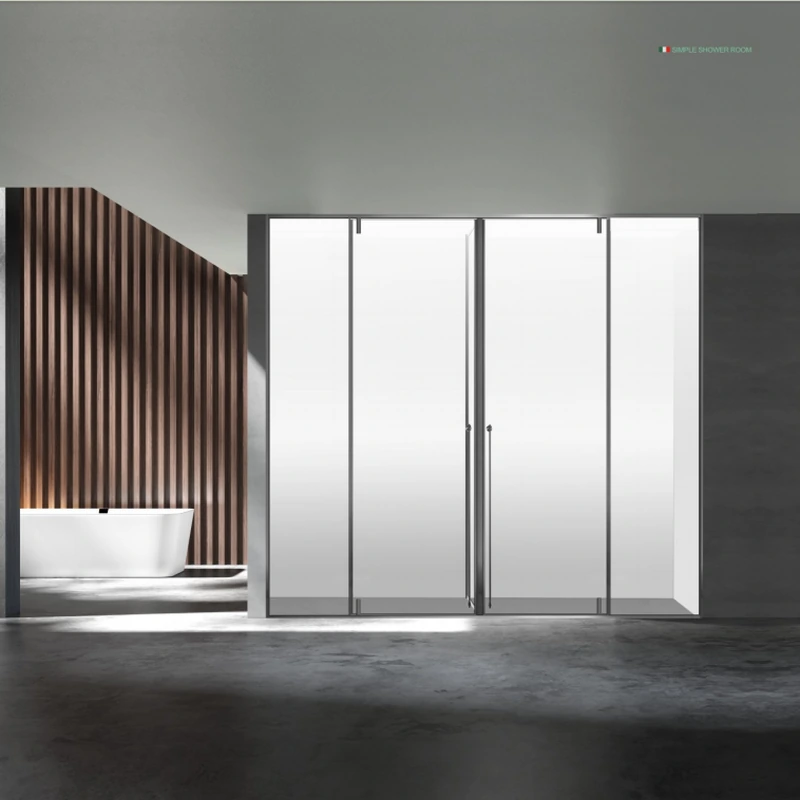
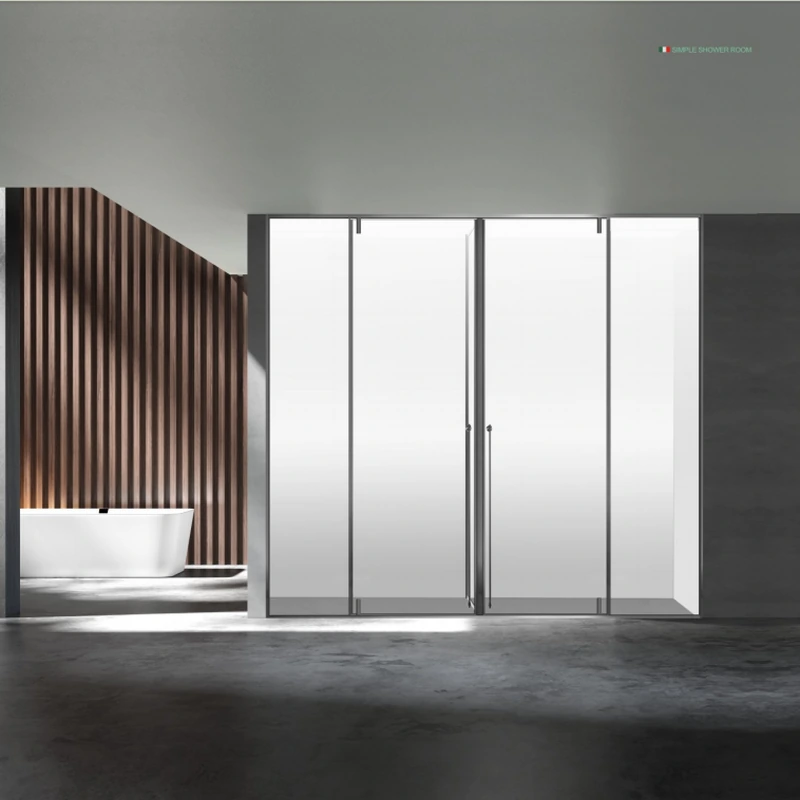
Panel height, width and support affect glass selection, and moving doors add hardware-specific load limits. This is why a proposal should identify components rather than relying on labels such as “premium” or “heavy duty.”
Product families are starting points rather than standard answers. See the ForgeWin shower enclosure range for the relevant operating idea, and the ForgeWin manufacturer page for customisation context.
The right answer depends on the finished opening, user needs, water-management design and the tested limits of the chosen glass and hardware system. Decide from measured conditions rather than a showroom image alone.
Begin with clean water and a mild, non-abrasive cleaner applied with a soft, grit-free cloth or pad. Test a small area, avoid metal scrapers and follow any coating, seal and hardware manufacturer instructions.
Send a dimensioned plan, straight-on and corner photos, project location, preferred door action, glass look, hardware finish, finished or unfinished status, installation scope and any access or accessibility constraints.
The right answer depends on the finished opening, user needs, water-management design and the tested limits of the chosen glass and hardware system. Decide from measured conditions rather than a showroom image alone. The reliable next step is a measured drawing and an itemised proposal that names the glass, hardware, finish, installation scope and limitations. The cited dimensions and practices are reference points, not automatic approval for a particular project or jurisdiction.
Technical note: Requirements vary by country, building type and project. Confirm the current local code, supplier data and site conditions before fabrication or installation.
2026-09-25
2026-10-11