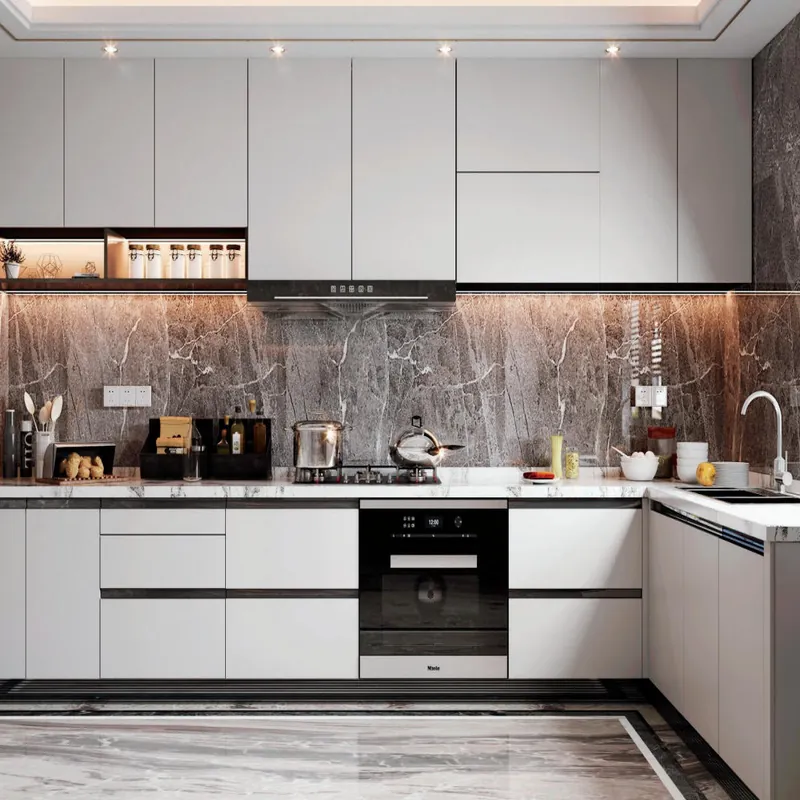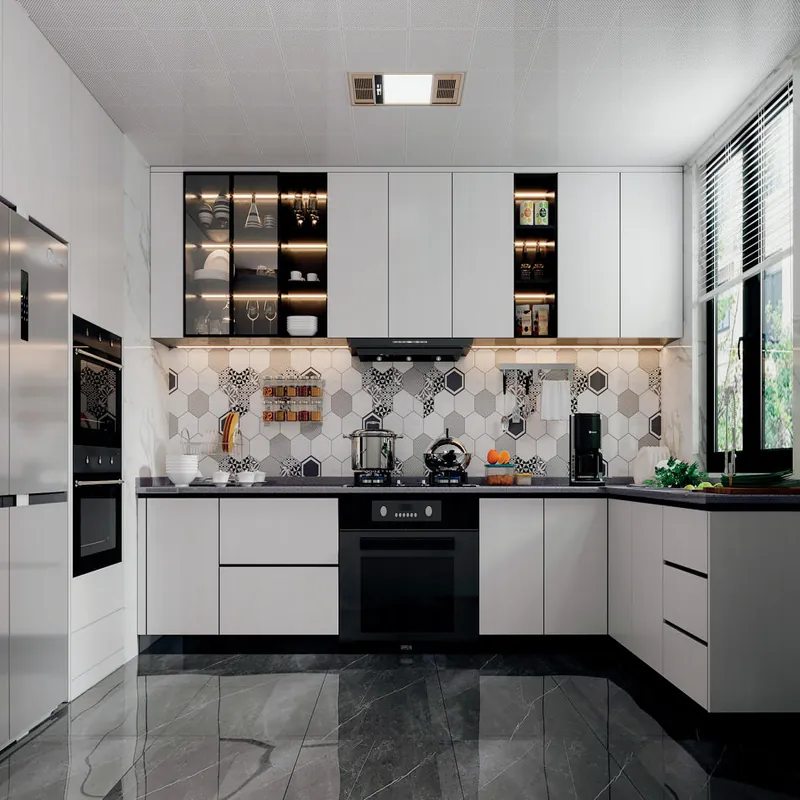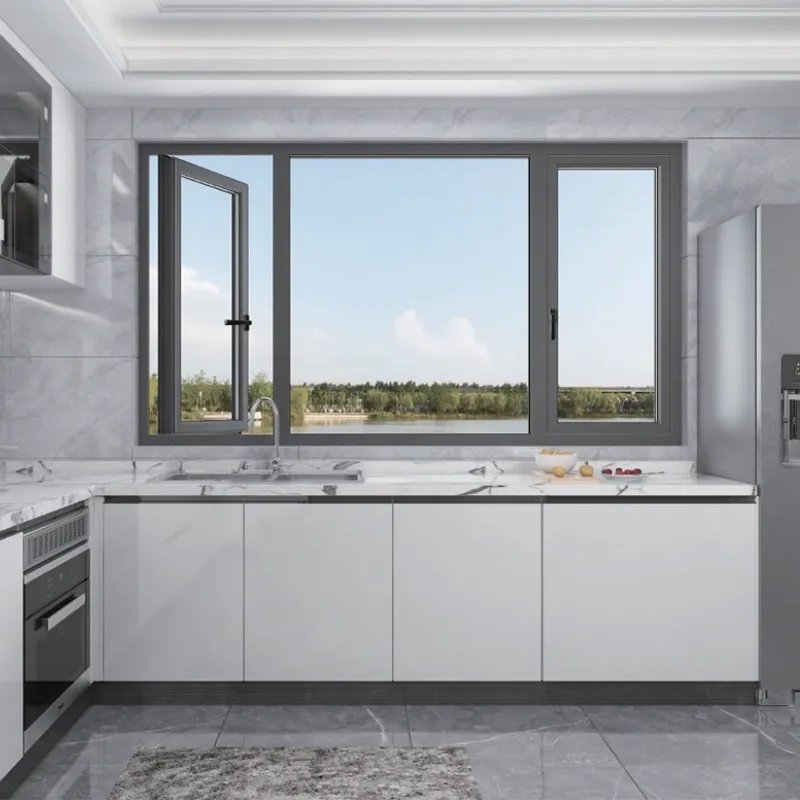
A casement window is hinged on one side and opens outward with a crank or handle. Unlike a sliding window, its sash moves away from the frame, creating a broad ventilation opening and a clear view. Casement windows are common in kitchens, bedrooms, living rooms, and new construction because the design combines simple operation with a tight weather seal.
The sash is supported by side hinges and operated by a window operator. When closed, the sash presses against compression seals around the frame. When open, the sash can catch a breeze from several directions. The opening angle depends on the hardware and the clearance outside the building.
Vinyl is low maintenance and cost conscious. Aluminum provides slim sightlines and strength for larger openings, especially when a thermally improved frame is specified. Wood offers a warm interior appearance but needs more regular finish care. Composite frames combine several materials to balance stability and appearance.
For a related comparison, see our sliding window buying guide. A casement window is a strong choice when you want directed airflow and a wide unobstructed opening, provided the exterior clearance and hardware are planned correctly.