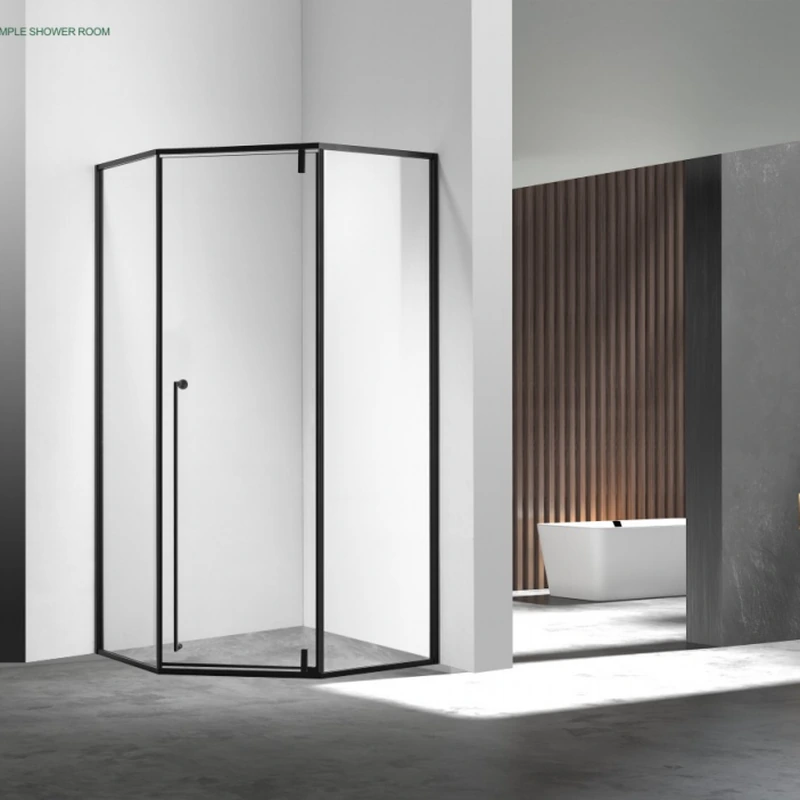
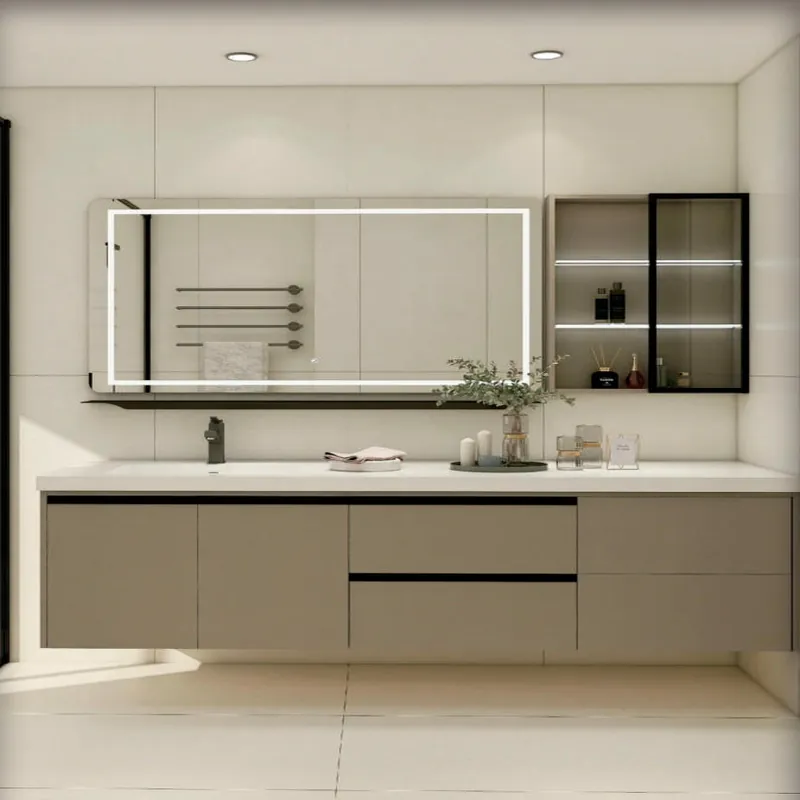
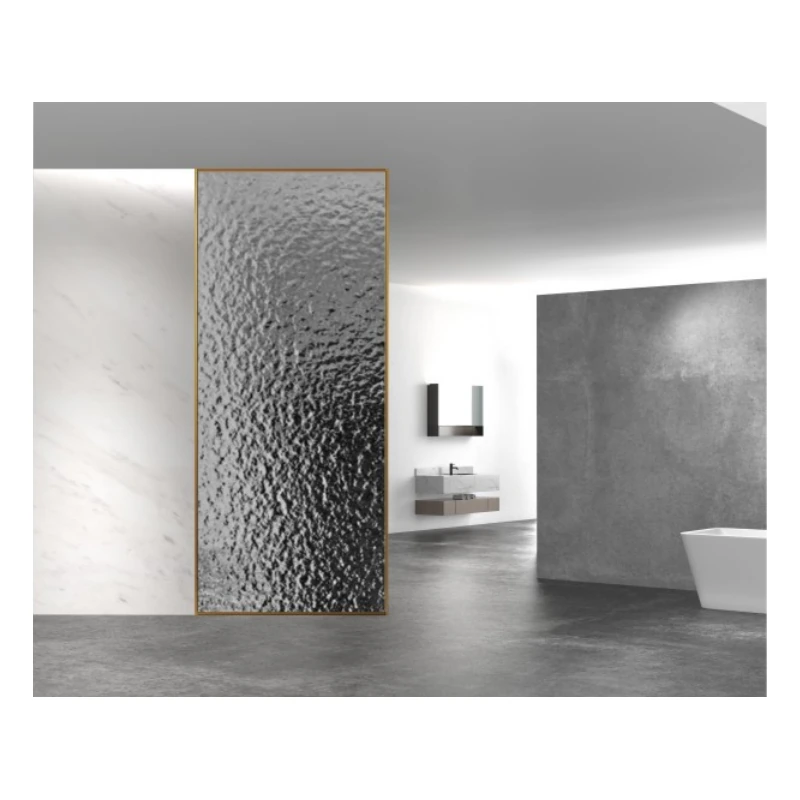
The choice is a trade-off between privacy, light and cleaning. Patterned or obscured glass should be coordinated with hardware, and a smooth shower-facing surface is easier to maintain than a deep texture exposed to soap and hard water.
A useful decision starts with the bathroom as built, not a catalogue thumbnail. Measure the opening, note where the water travels and put the proposed door movement on the plan before choosing a model.
| Decision area | What to record |
|---|---|
| Space | Door movement and usable entry |
| Water control | Profiles, seals, screen length and sill detail |
| Maintenance | Joints, tracks, exposed edges and replaceable parts |
| Service life | Hardware capacity, adjustment and spare parts |
Compare like with like by freezing these four rows before asking for alternatives. Otherwise one bidder may remove measurement or installation while another changes the glass or hardware, creating a price difference that is really a scope difference.
Write down the finished opening, door movement, glass, finish, hardware, support, drainage, cleaning access and installation scope. This converts a visual preference into a quote that can be checked before production.
Separate budget dimensions from production dimensions. Plans can start a discussion; finished-site measurements and an approved drawing should control custom fabrication.
For Clear vs Frosted Shower Glass: Which Is Better?, start with the condition that would make the first answer wrong. The most durable option is the one whose wear parts can be serviced. Ask which seals, rollers or hinges are replaceable.
Photograph any cracked, hollow or uneven finish before the survey. A patterned surface can improve privacy while holding more residue if its texture faces inward. That observation should appear on the drawing or survey sheet instead of being left for the installer to discover.
Ask which seals, rollers or hinges are replaceable. Keep units consistent and write millimetres rather than mixing systems. Together, these two checks connect the room layout to a fabricatable panel rather than treating the enclosure as loose furniture.
A patterned surface can improve privacy while holding more residue if its texture faces inward. Check spare-part strategy for repeated commercial rooms. Record the local standard and project requirement rather than copying a foreign rule blindly.
Note whether the substrate is concrete, masonry, framed wall or unknown. Written exclusions are useful: they show where another trade must complete work. The result is a decision another person can review without relying on the original conversation.
Before ordering the preferred glass arrangement, document the door and dry-side zones. Separate provisional sizes from final sizes.
One practical risk is that The most durable option is the one whose wear parts can be serviced. Ask which seals, rollers or hinges are replaceable. The answer can change the hardware or layout.
At pre-installation review, Use a finished tile edge as a datum and label it on the sketch. Keep finish samples or codes with the purchase record, not only in a chat thread. Do not leave the decision in an unlabelled message.
For the question “Clear vs Frosted Shower Glass: Which Is Better?”, the goal is not to collect more options; it is to approve a serviceable complete system. This makes the answer useful to the fabricator, installer and owner.
Frames and seals can help intercept splash, while open and frameless designs depend more on geometry and disciplined gaps. Neither label guarantees a dry floor when the shower head points at the entry or the floor falls the wrong way.
Ask how each option drains profiles and tracks, where seals can be replaced, and what water escape is considered normal. Those details are more useful than a blanket claim that one style never leaks.
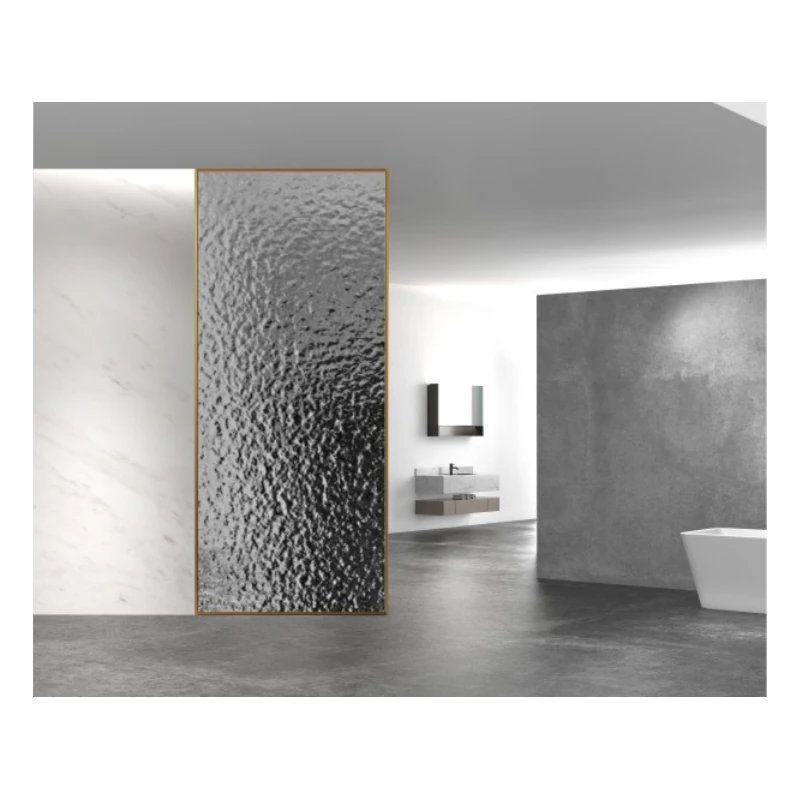
For frameless work, the National Glass Association advises following the chosen hardware maker’s width and weight limits. Similar-looking fittings are not proof of equal performance, so keep the component schedule with the drawing.
The ForgeWin shower enclosure range shows one way to organise the glass and hardware. Use it beside ForgeWin’s shower enclosure overview to identify preferences, then rework the configuration around the actual opening.
The choice is a trade-off between privacy, light and cleaning. Patterned or obscured glass should be coordinated with hardware, and a smooth shower-facing surface is easier to maintain than a deep texture exposed to soap and hard water.
For custom work, take final measurements after the relevant tiles, kerb and finishes are complete. Support zones and layout must be planned earlier, but production dimensions should reflect the finished opening and its actual level, plumb and square.
Send a dimensioned plan, straight-on and corner photos, project location, preferred door action, glass look, hardware finish, finished or unfinished status, installation scope and any access or accessibility constraints.
The choice is a trade-off between privacy, light and cleaning. Patterned or obscured glass should be coordinated with hardware, and a smooth shower-facing surface is easier to maintain than a deep texture exposed to soap and hard water. The reliable next step is a measured drawing and an itemised proposal that names the glass, hardware, finish, installation scope and limitations. The cited dimensions and practices are reference points, not automatic approval for a particular project or jurisdiction.
Technical note: Requirements vary by country, building type and project. Confirm the current local code, supplier data and site conditions before fabrication or installation.
2026-09-08
2026-09-16
2026-09-24