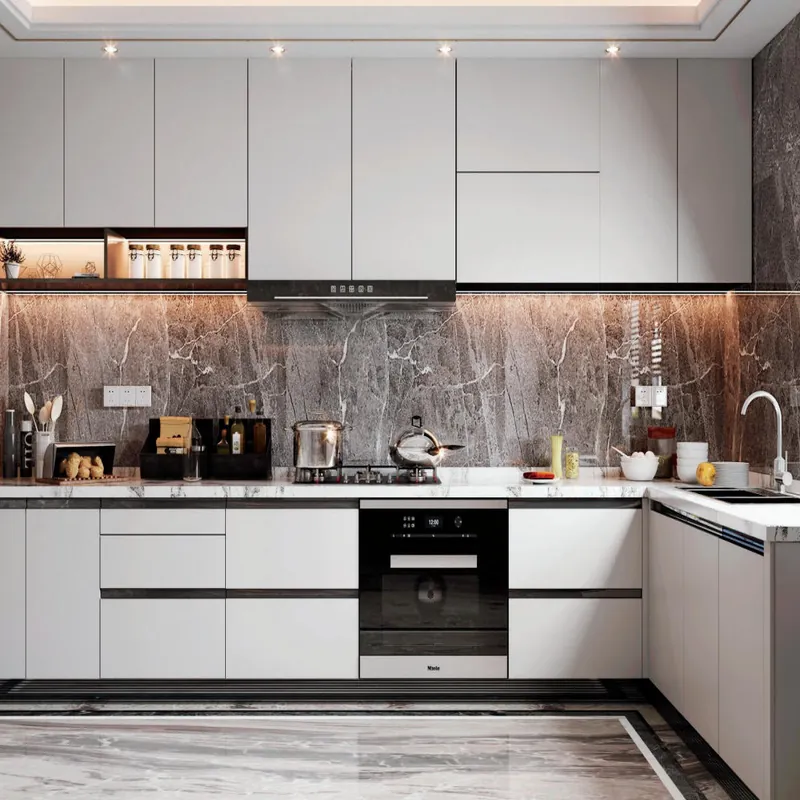
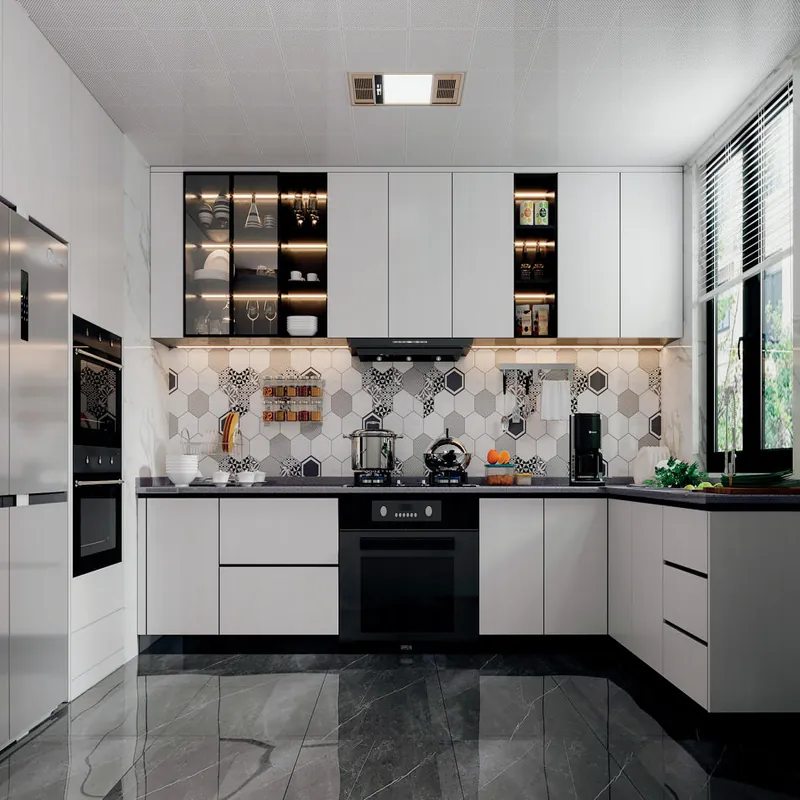
Do you have different aluminium frame profiles? The short answer is that custom aluminium windows and doors are feasible when the proposed size, profile, glass, hardware, finish, transport route and installation method can be engineered and manufactured together. Large, unusual or thermally broken systems require configuration-specific review; visual preference alone is not sufficient approval.
For “Do you have different aluminium frame profiles?”, separate the custom feature from standard system requirements. The drawing should show how the requested change affects performance, components, manufacturing, transport and installation, with an approved sample or record where appearance is involved.
It is an easy point to miss when deciding “Do you have different aluminium frame profiles?”. A credible report names the standard and edition, laboratory, client, product, operator type, specimen dimensions, frame and glass description, hardware, test sequence, results, date and report identity. Compare these fields with the offered unit and record any engineering justification for differences.
On a real project, custom feasibility and design release should be supported by the type of evidence that actually answers it: thermal ratings for energy, air/water/structural tests for envelope behavior, safety documentation for glass, and inspection records for execution. One certificate rarely proves every claim. It changes the answer to “Do you have different aluminium frame profiles?”.
The answer to “Do you have different aluminium frame profiles?” becomes clearer once these points are written down:
| Check | What to confirm |
|---|---|
| Geometry | Size, shape, panel arrangement and opening direction |
| Performance | Wind, water, air, thermal, acoustic and safety goals |
| Components | Profiles, glass, seals, hardware and screens |
| Appearance | Colour code, gloss, texture and sightlines |
| Execution | Survey, drawings, samples, mock-up and inspection |
For “Do you have different aluminium frame profiles?”, a useful place to continue is the 65 Series thermal-break casement window. It gives a concrete product reference for the discussion above. The ForgeWin doors and windows range and ForgeWin’s multi-panel window wall project provide broader product or installation context. Treat them as starting points: the proposed size, glass, hardware, performance and site scope still need project-specific confirmation.
You do not need a complicated workflow to resolve “Do you have different aluminium frame profiles?”. Work through the following points in order:
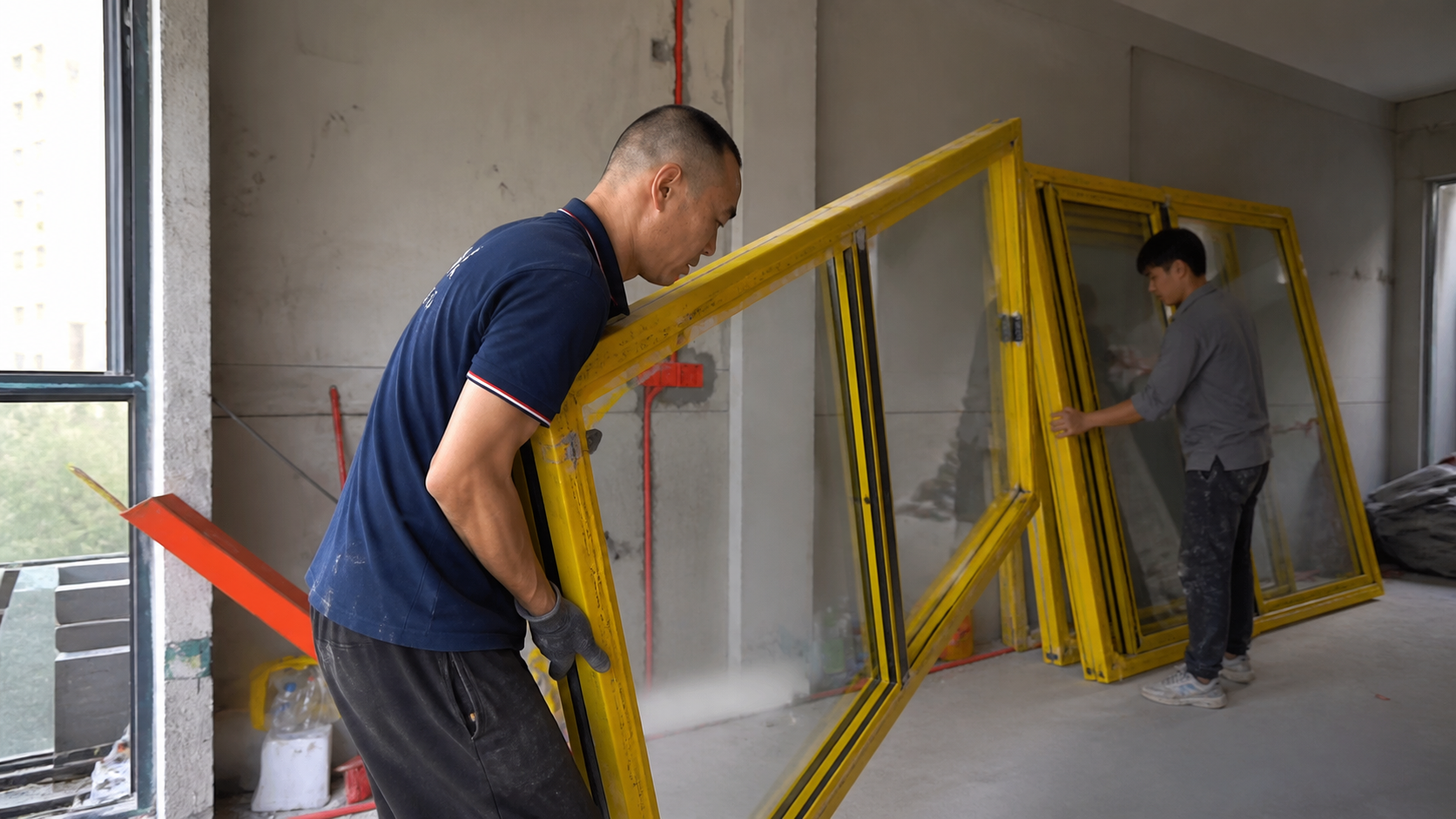
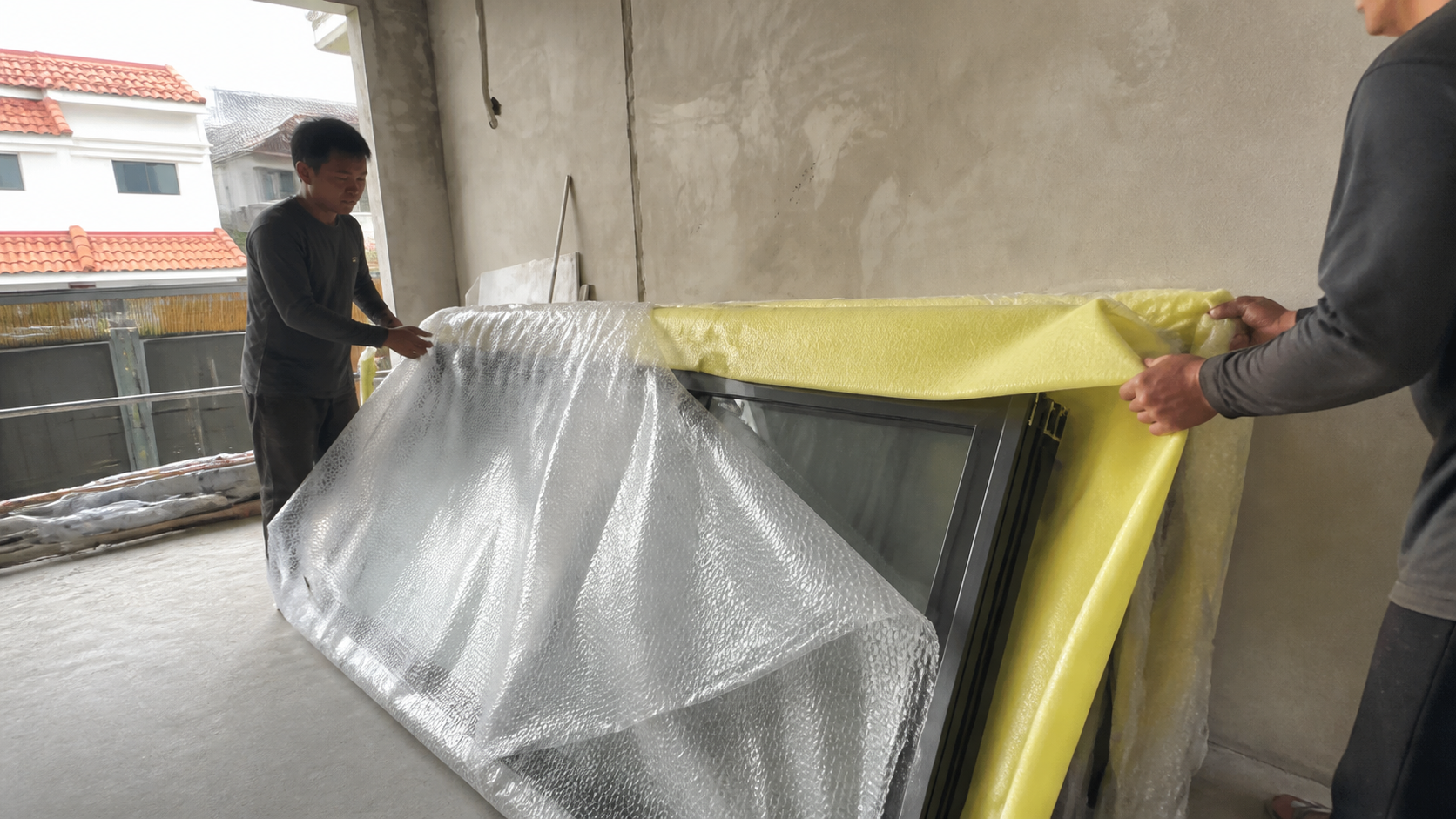
Keep this in view while answering “Do you have different aluminium frame profiles?” for the actual opening. Handover should reconcile approved drawings, opening schedule, installed marks, outstanding defects, test records, warranties, cleaning guidance, adjustment instructions and spare parts. Operate every opening and record restrictions or special controls. The owner needs a route for service questions after the project team leaves.
At quotation stage, capture custom feasibility and design release in the final documents rather than leaving it in email. If a product or detail changed during construction, update the as-built record and maintenance information so future repairs do not rely on the superseded quotation. It gives a firmer basis for “Do you have different aluminium frame profiles?”.
Ask the supplier to state components and appearance, using the exact proposed configuration. The response should name exclusions and the evidence behind material claims. This matters for “Do you have different aluminium frame profiles” because a verbal yes can hide a different glass, hardware or installation scope.
It is ready for an order after the team can approve samples and release and inspect a controlled build, with dimensions and responsibilities confirmed. Until then, treat the answer to “Do you have different aluminium frame profiles” as planning guidance. Keep the accepted drawing, quotation and product reference together so production cannot follow an older assumption.
Start with geometry: size, shape, panel arrangement and opening direction. For “Do you have different aluminium frame profiles”, that first fact sets the boundary for the rest of the answer. Then record performance and any assumption that still needs a drawing, measurement or supplier confirmation.
For “Do you have different aluminium frame profiles?”, this guide draws on the cited technical references and the linked ForgeWin product or project pages. The conclusion is general guidance for custom feasibility and design release, not a configuration-specific test report, fixed price or substitute for local code and project engineering.