When a project reaches the question “How much extra does Low-E glass cost?”, start here: Low-E cost varies with coating type, coated surface, glass supplier, pane build-up, size and processing. The decision should compare the proposed whole-window U-factor, SHGC, visible transmittance and climate need. Ask for the exact coated glass designation and configuration rather than a generic Low-E surcharge.
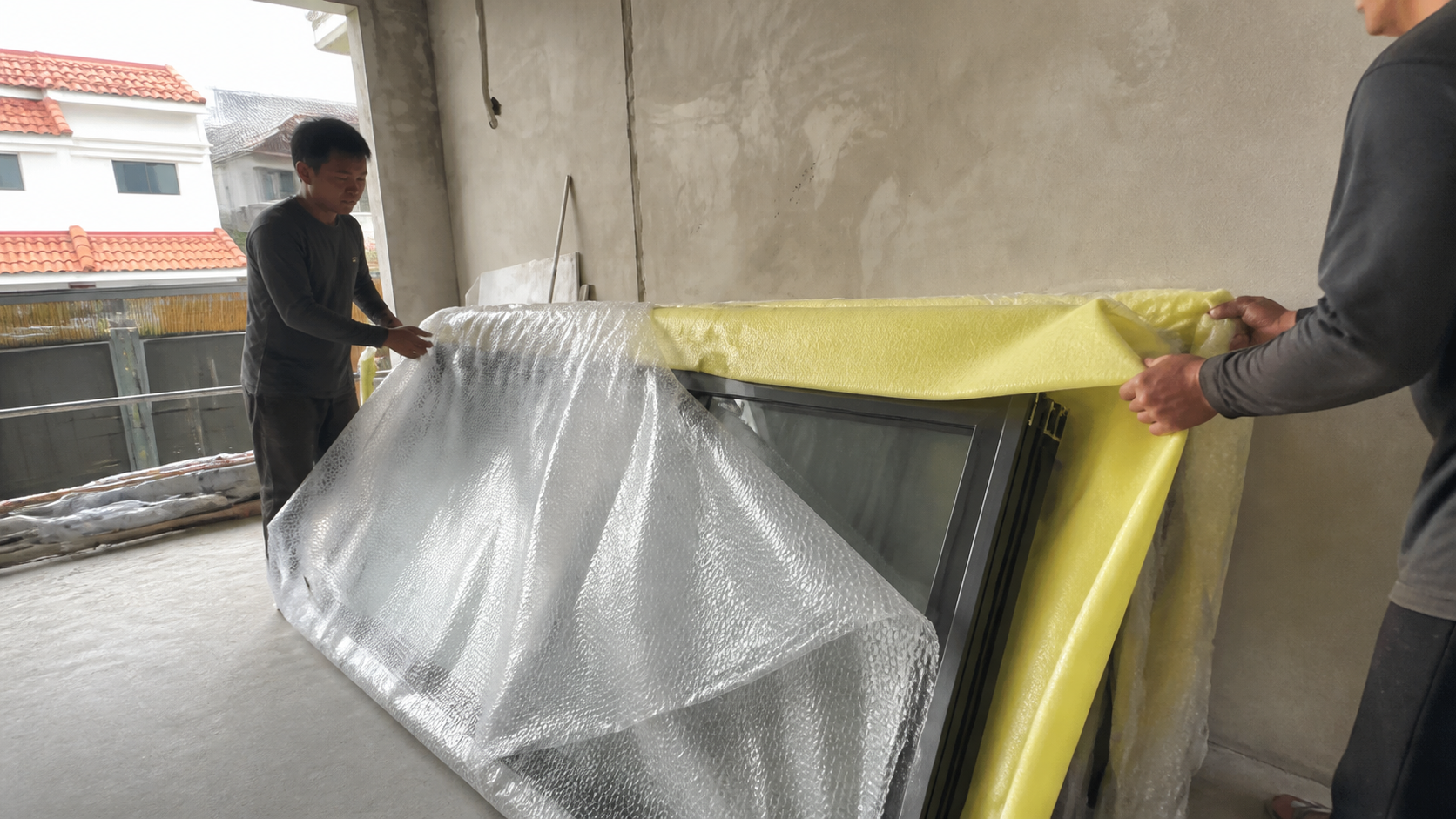
This gives the question “How much extra does Low-E glass cost?” a checkable project basis. Shop drawings should include plans, elevations, sections, operator and handing, profile references, glass, hardware, finish, anchors, drainage, waterproofing interfaces and closure pieces. Details need dimensions and material identities; a rendered elevation alone is not fabrication information.
Once the opening is defined, review price scope and quotation comparability across typical and exceptional openings. Corners, coupled frames, low sills, large spans and transitions to cladding or interior finishes often need separate details. Mark approved deviations and close comments before material release so production does not choose between conflicting notes. That is the practical connection to “How much extra does Low-E glass cost?”.
In the context of “How much extra does Low-E glass cost?”, Low-E products can target different solar-gain levels and visible light. Record the manufacturer designation, coated surface, heat treatment, companion pane and whole-product rating assumption. Compare coating cost with external shading and orientation needs; a premium coating may be unnecessary on one elevation and valuable on another.
The answer to “How much extra does Low-E glass cost?” becomes clearer once these points are written down:
| Check | What to confirm |
|---|---|
| Opening schedule | Count, width, height, type and handing |
| Frame system | Profile series, thermal break, reinforcement and finish |
| Glass | Complete pane/coating/cavity/safety build-up |
| Hardware | Model, duty, locking and accessories |
| Commercial scope | Packing, freight, tax, installation and exclusions |
You do not need a complicated workflow to resolve “How much extra does Low-E glass cost?”. Work through the following points in order:
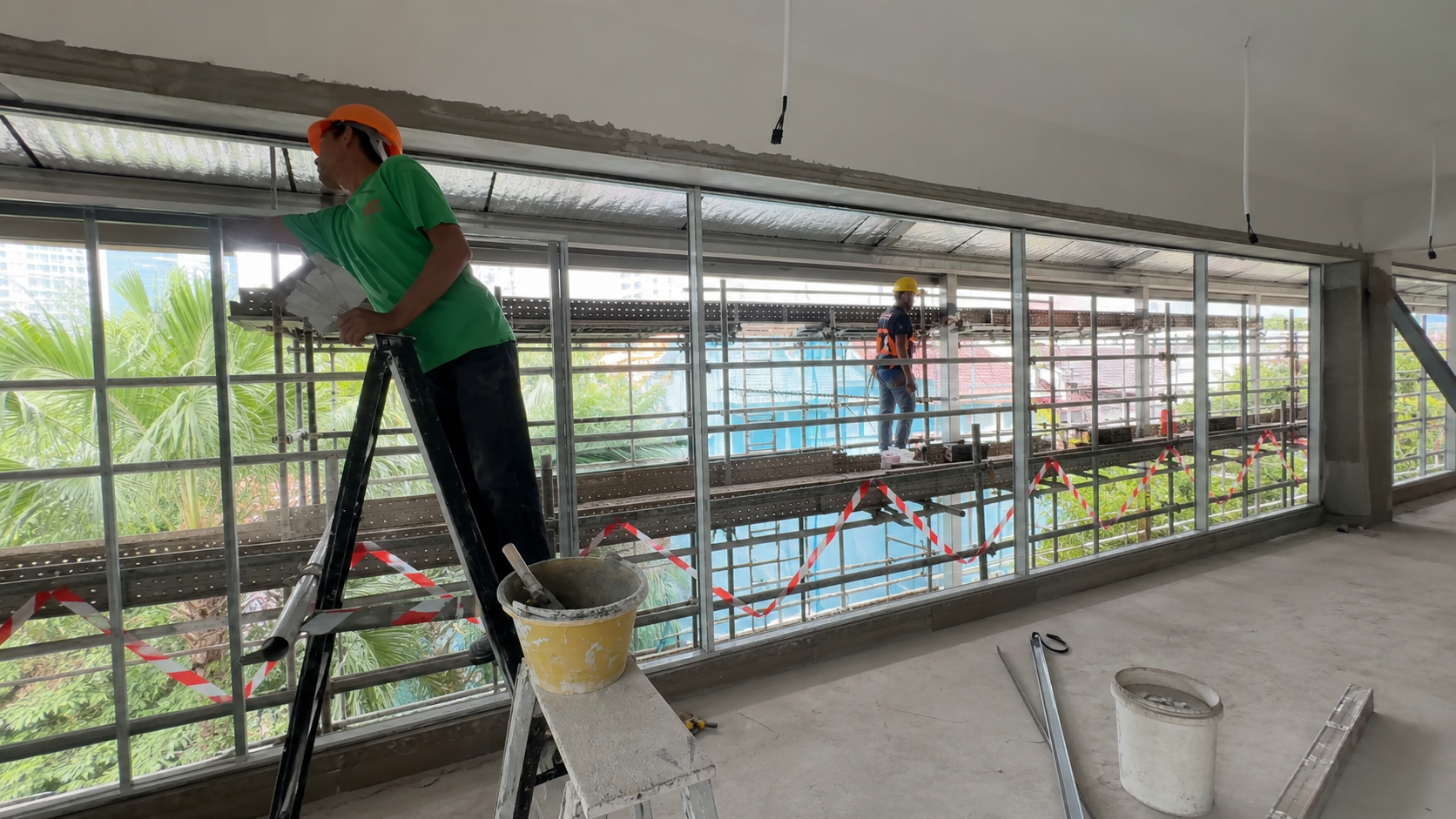
For “How much extra does Low-E glass cost?”, a useful place to continue is the 65 Series thermal-break casement window. It gives a concrete product reference for the discussion above. The casement window collection and ForgeWin’s window-and-door delivery project provide broader product or installation context. Treat them as starting points: the proposed size, glass, hardware, performance and site scope still need project-specific confirmation.
For “How much extra does Low-E glass cost?”, this detail is often more useful than a generic product claim. Handover should reconcile approved drawings, opening schedule, installed marks, outstanding defects, test records, warranties, cleaning guidance, adjustment instructions and spare parts. Operate every opening and record restrictions or special controls. The owner needs a route for service questions after the project team leaves.
Before you commit, capture price scope and quotation comparability in the final documents rather than leaving it in email. If a product or detail changed during construction, update the as-built record and maintenance information so future repairs do not rely on the superseded quotation. Keep it in the brief for “How much extra does Low-E glass cost?”.
It is ready for an order after the team can request assumptions and exclusions and compare landed totals on equal scope, with dimensions and responsibilities confirmed. Until then, treat the answer to “How much extra does Low-E glass cost” as planning guidance. Keep the accepted drawing, quotation and product reference together so production cannot follow an older assumption.
Start with opening schedule: count, width, height, type and handing. For “How much extra does Low-E glass cost”, that first fact sets the boundary for the rest of the answer. Then record frame system and any assumption that still needs a drawing, measurement or supplier confirmation.
Ask the supplier to state glass and hardware, using the exact proposed configuration. The response should name exclusions and the evidence behind material claims. This matters for “How much extra does Low-E glass cost” because a verbal yes can hide a different glass, hardware or installation scope.
For “How much extra does Low-E glass cost?”, this guide draws on the cited technical references and the linked ForgeWin product or project pages. The conclusion is general guidance for price scope and quotation comparability, not a configuration-specific test report, fixed price or substitute for local code and project engineering.