The question “How much would it cost to replace all the windows in my house?” sounds simple, but the right answer is still clear: A whole-house replacement cannot be priced responsibly from floor area alone. The total depends on the opening inventory, removal method, access, temporary weather protection, repair to reveals or waterproofing, frame and glass specification, disposal, installation sequence and occupied-home constraints. Survey every opening and price product, removal, making-good and access separately.
In the context of “How much would it cost to replace all the windows in my house?”, Build an opening inventory with photographs and room/elevation marks. Price removal, temporary protection, substrate repair, waterproofing, installation, trims, disposal and occupied-area controls separately from the new units. This exposes whether a low quote assumes reusable openings or leaves making-good to another trade.
The answer to “How much would it cost to replace all the windows in my house?” becomes clearer once these points are written down:
| Check | What to confirm |
|---|---|
| Opening schedule | Count, width, height, type and handing |
| Frame system | Profile series, thermal break, reinforcement and finish |
| Glass | Complete pane/coating/cavity/safety build-up |
| Hardware | Model, duty, locking and accessories |
| Commercial scope | Packing, freight, tax, installation and exclusions |
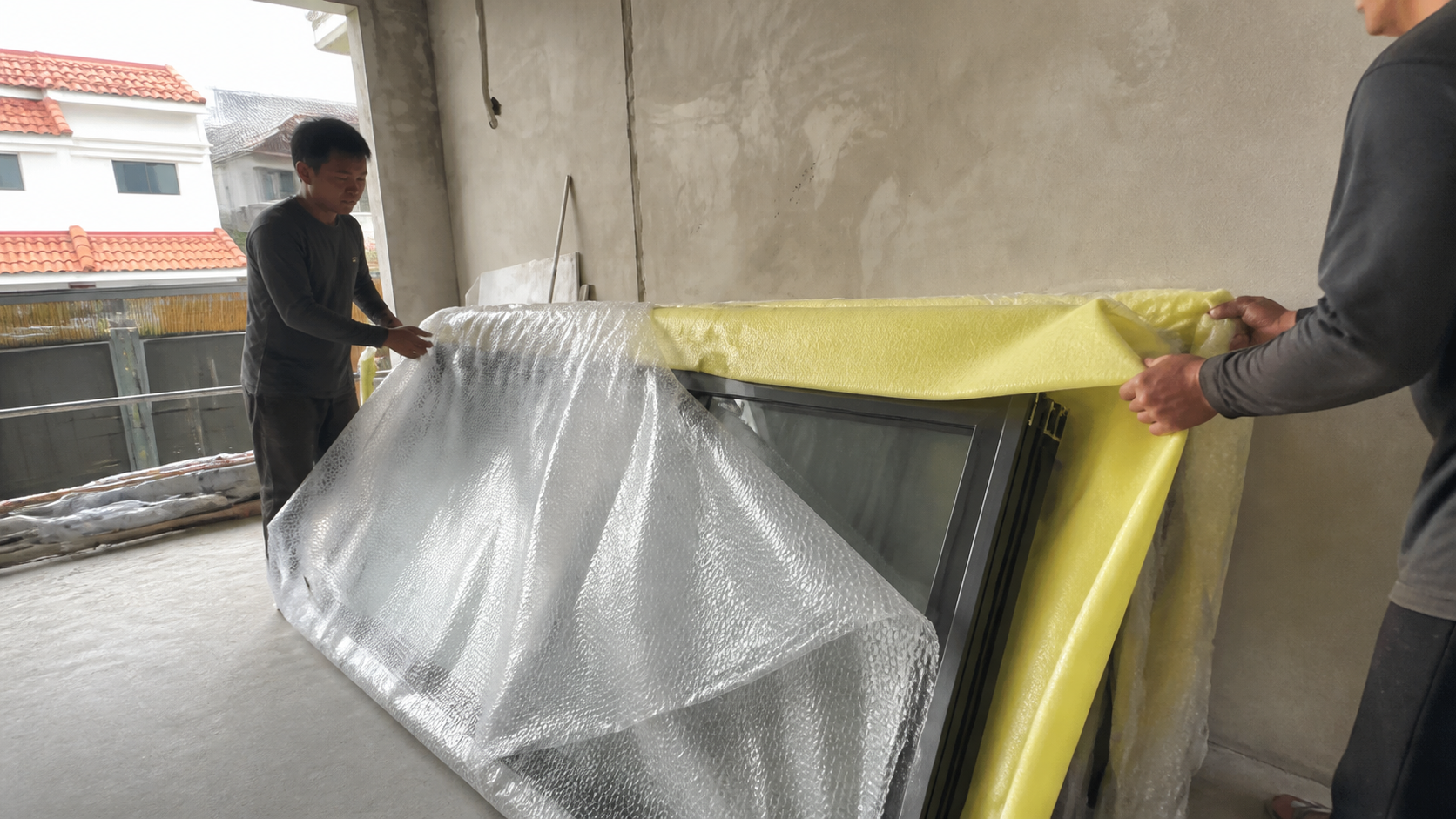
The practical link to “How much would it cost to replace all the windows in my house?” is the information that must appear on the drawing or quotation. Separate product, installation, freight, insurance, duties, tax, unloading, storage, access equipment, protection and testing. State currency, Incoterm, validity, payment milestones and excluded work. A unit rate has little meaning if one bidder includes glass and hardware while another prices frames only.
For this decision, issue one clarification register and return answers to every shortlisted bidder. Evaluate price scope and quotation comparability with the technical schedule, not beside it. Commercial savings that remove inspection, protective packing or interface responsibility should be visible as risk transfers. It is worth checking before deciding “How much would it cost to replace all the windows in my house?”.
You do not need a complicated workflow to resolve “How much would it cost to replace all the windows in my house?”. Work through the following points in order:
For “How much would it cost to replace all the windows in my house?”, a useful place to continue is the 65 Series thermal-break casement window. It gives a concrete product reference for the discussion above. The ForgeWin doors and windows range and ForgeWin’s window-and-door delivery project provide broader product or installation context. Treat them as starting points: the proposed size, glass, hardware, performance and site scope still need project-specific confirmation.
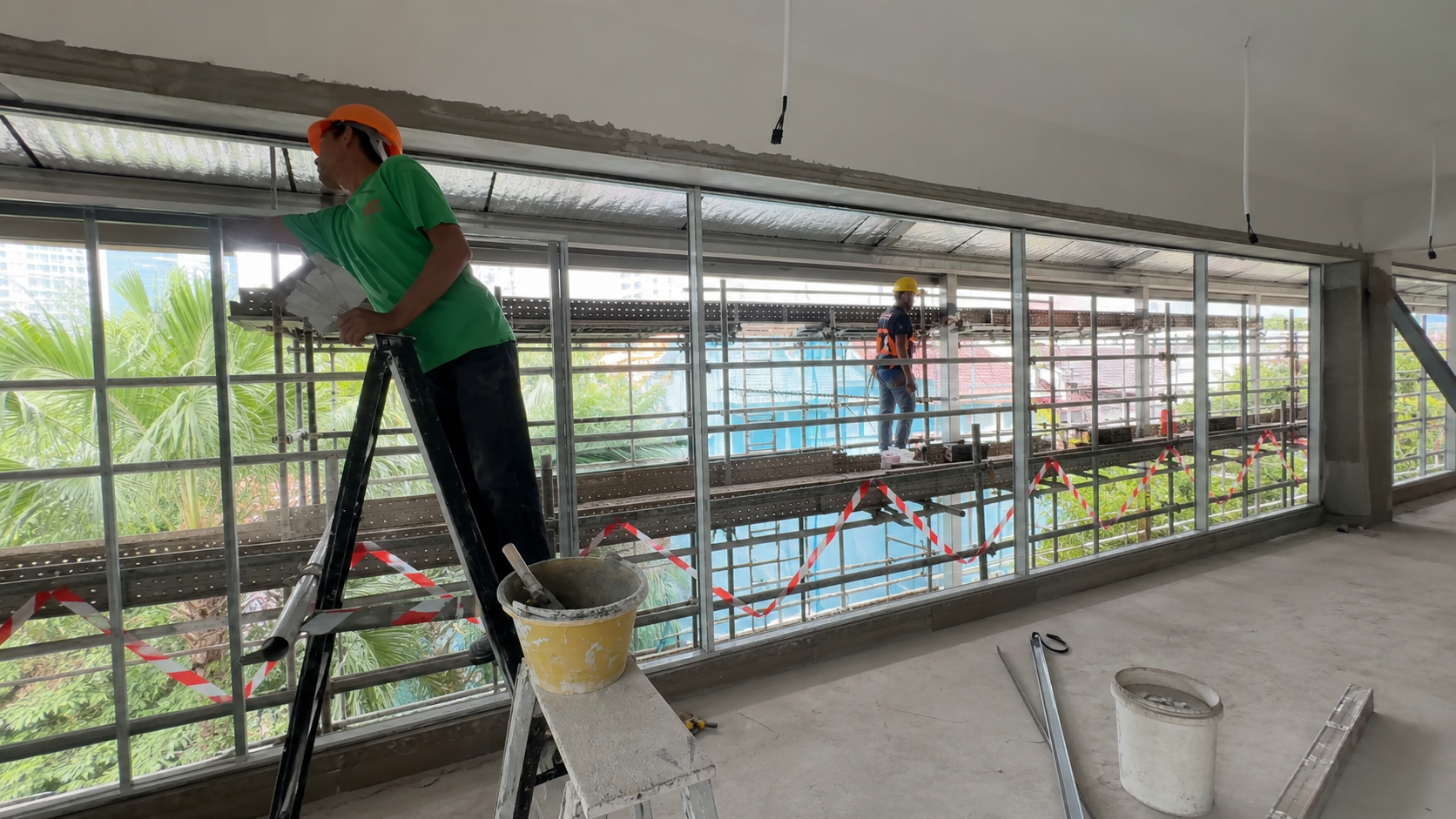
This is where the question “How much would it cost to replace all the windows in my house?” becomes a project detail rather than a yes-or-no answer. Handover should reconcile approved drawings, opening schedule, installed marks, outstanding defects, test records, warranties, cleaning guidance, adjustment instructions and spare parts. Operate every opening and record restrictions or special controls. The owner needs a route for service questions after the project team leaves.
In practice, capture price scope and quotation comparability in the final documents rather than leaving it in email. If a product or detail changed during construction, update the as-built record and maintenance information so future repairs do not rely on the superseded quotation. This is especially relevant to “How much would it cost to replace all the windows in my house?”.
Start with opening schedule: count, width, height, type and handing. For “How much would it cost to replace all the windows in my house”, that first fact sets the boundary for the rest of the answer. Then record frame system and any assumption that still needs a drawing, measurement or supplier confirmation.
Ask the supplier to state glass and hardware, using the exact proposed configuration. The response should name exclusions and the evidence behind material claims. This matters for “How much would it cost to replace all the windows in my house” because a verbal yes can hide a different glass, hardware or installation scope.
It is ready for an order after the team can request assumptions and exclusions and compare landed totals on equal scope, with dimensions and responsibilities confirmed. Until then, treat the answer to “How much would it cost to replace all the windows in my house” as planning guidance. Keep the accepted drawing, quotation and product reference together so production cannot follow an older assumption.
For “How much would it cost to replace all the windows in my house?”, this guide draws on the cited technical references and the linked ForgeWin product or project pages. The conclusion is general guidance for price scope and quotation comparability, not a configuration-specific test report, fixed price or substitute for local code and project engineering.