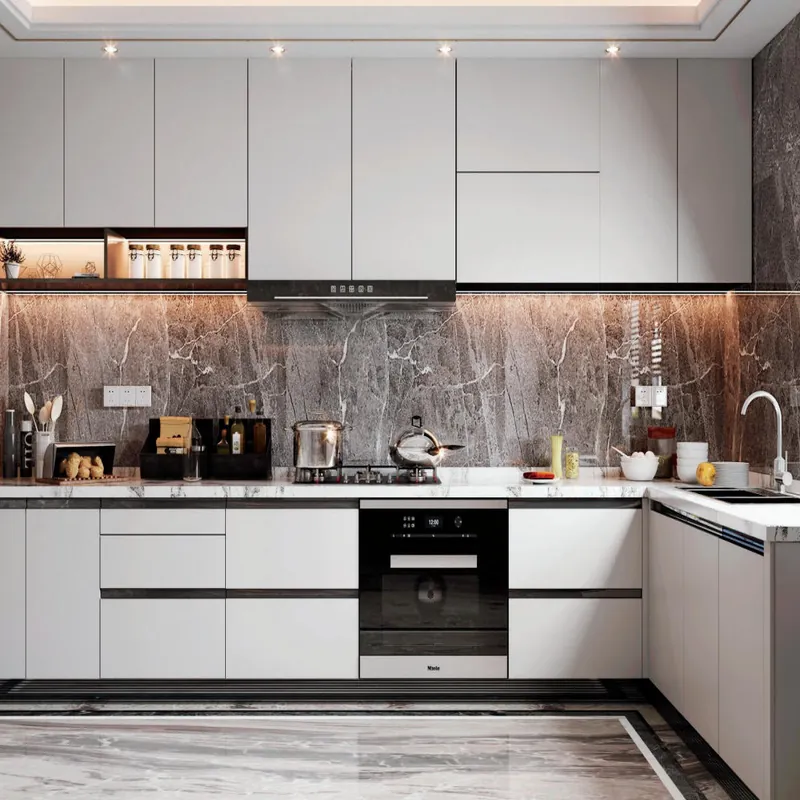
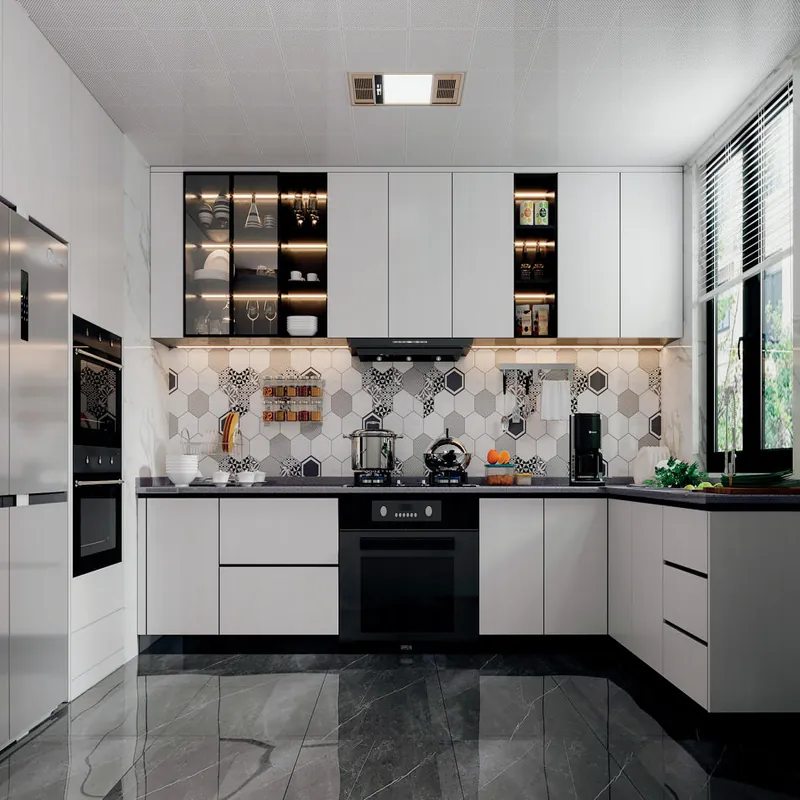
This can be answered clearly once the few variables that actually change the result are separated. Plywood usually offers stronger edge fixings and better tolerance of occasional moisture, while particleboard can provide a flat, economical and consistent core for dry interiors. The better choice depends on grade, density, shelf span, hardware fixing, edge sealing and the destination’s emission requirements.
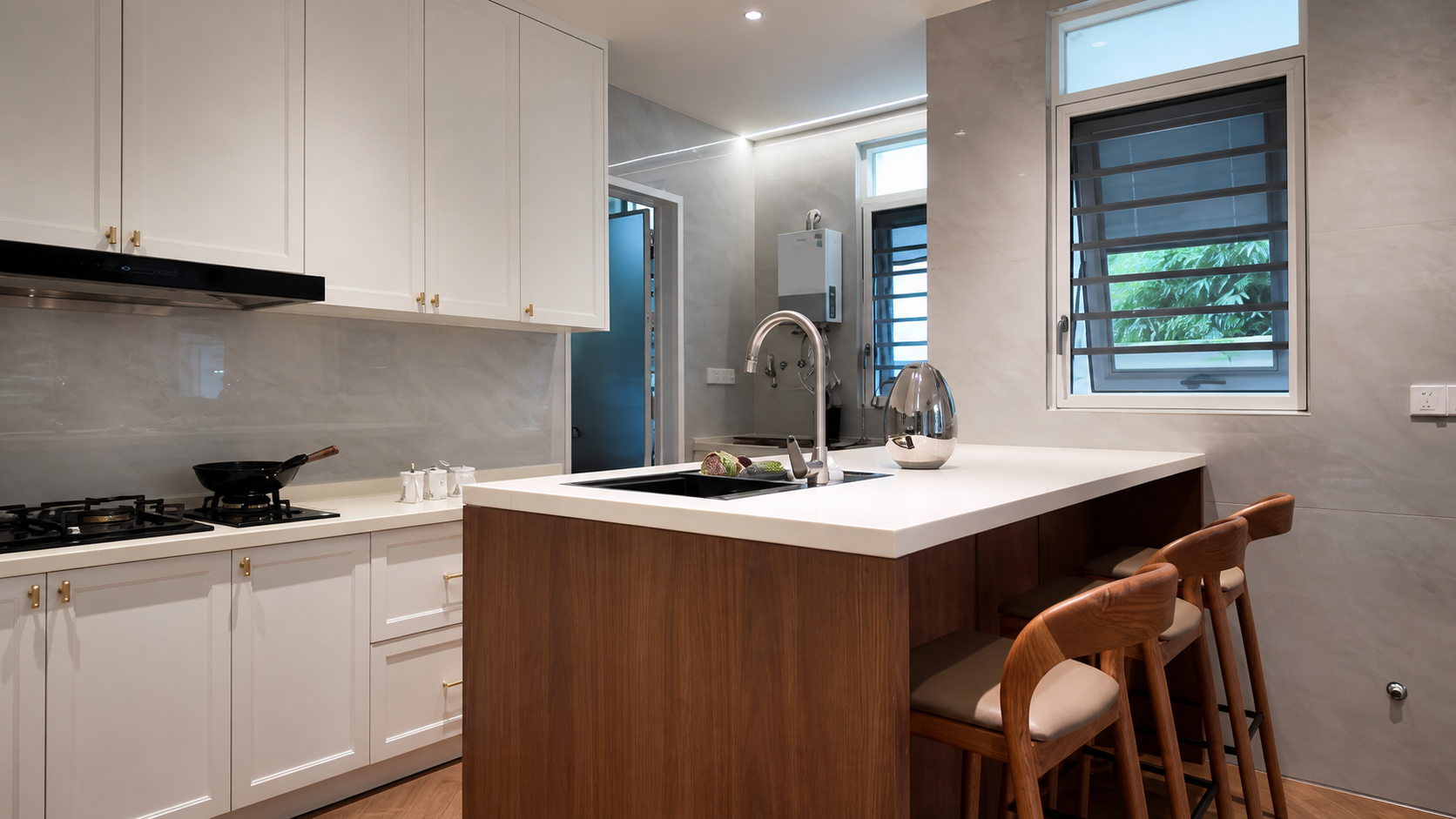
Instead of chasing a universal yes or no, compare the exact option against the room, use and maintenance routine. Check shelf spans and support positions. Inspect screw fixing and edge construction.
Composite wood labels also carry an indoor-air-quality dimension. The US EPA's current rule covers hardwood plywood, MDF and particleboard products for the US market, while the US Forest Service explains how wood moisture changes with surrounding humidity. Destination-market compliance and the actual product documents still need to be checked.
| Decision | What to put in writing |
|---|---|
| Core | Plywood, MDF, particleboard or metal; grade and thickness stated |
| Surface | Melamine, laminate, acrylic, veneer, paint or metal finish |
| Edges and joints | Sealing method around sinks, floors and exposed cut-outs |
| Evidence | Emission documents, samples and relevant test information |
| Use conditions | Humidity, heat, cleaning, sunlight and expected wear |
Material names do not prove grade, emission performance, edge sealing or workmanship; those details still need a written specification. This is why a sample, drawing and quotation should be read together rather than treated as separate approvals.
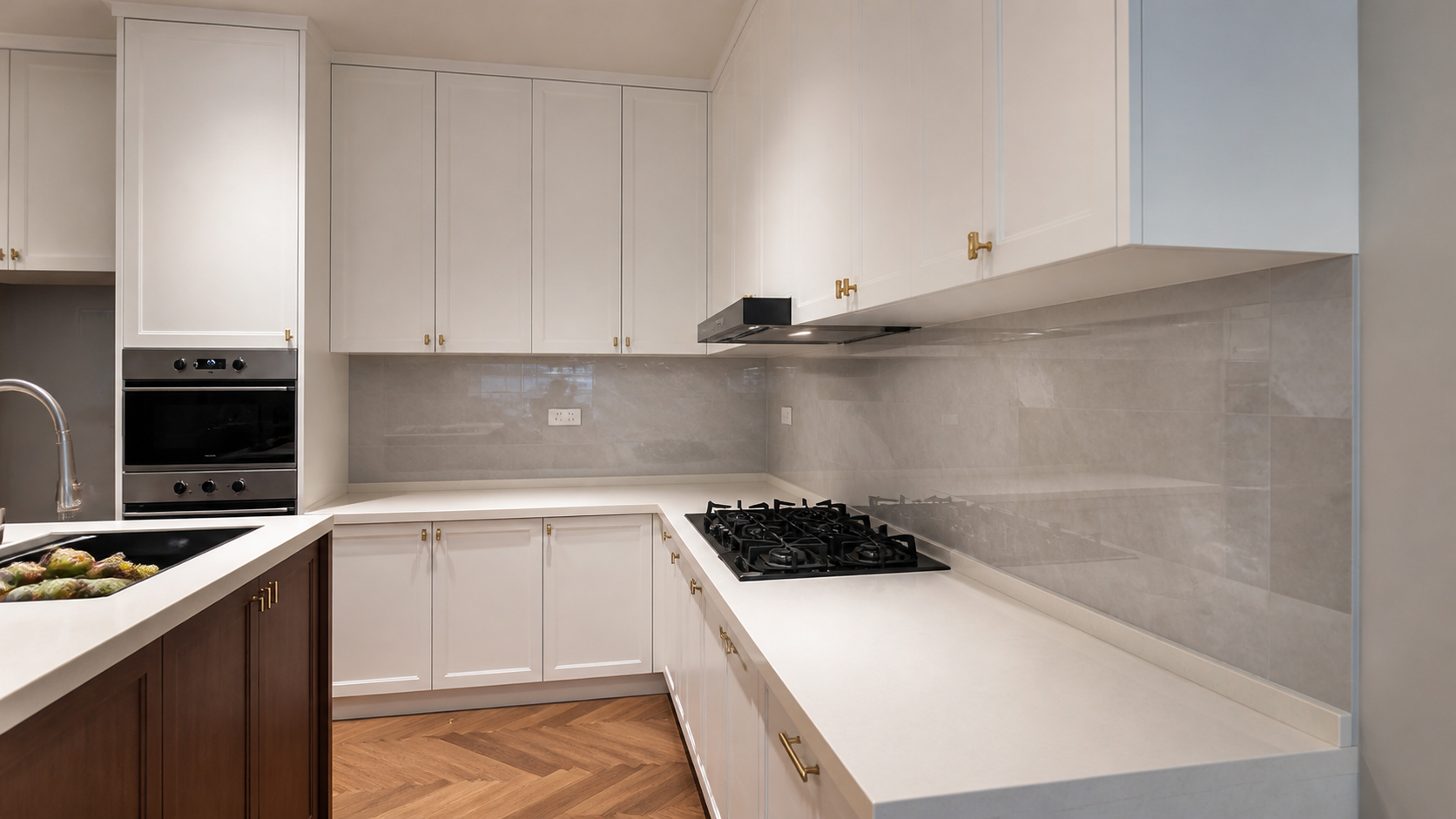
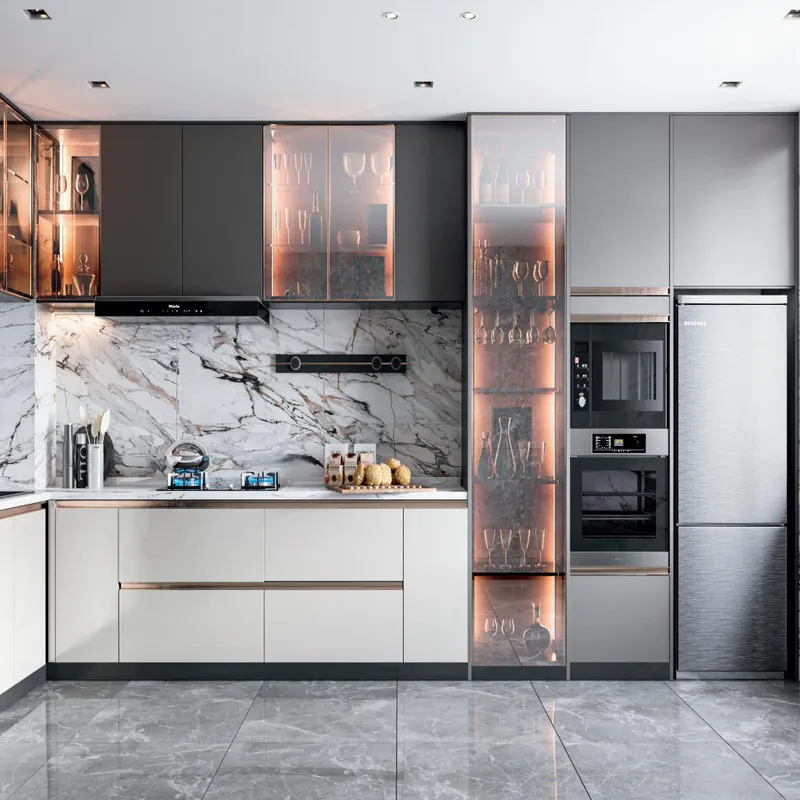
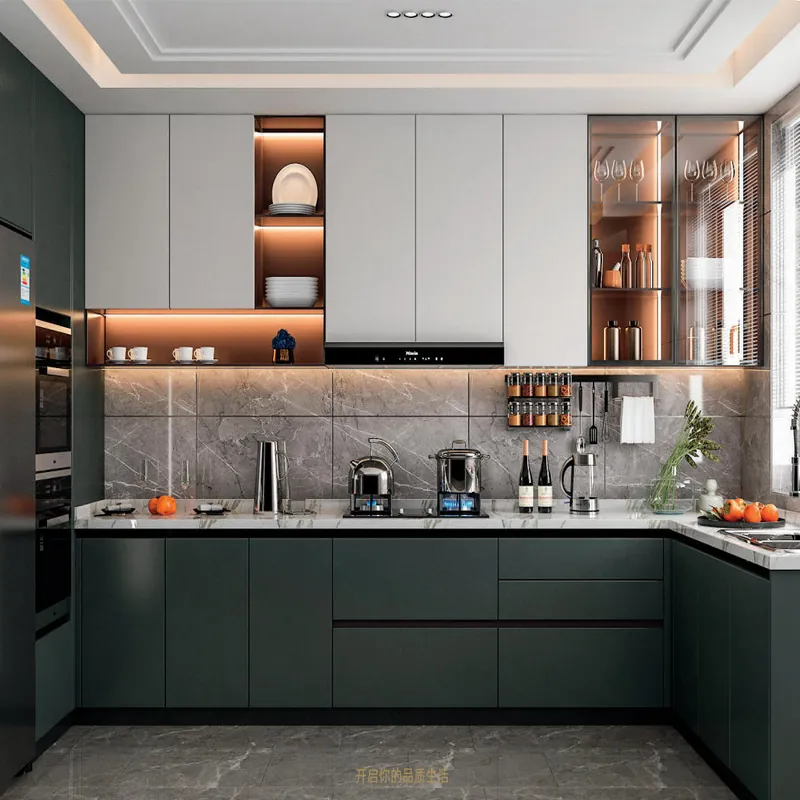
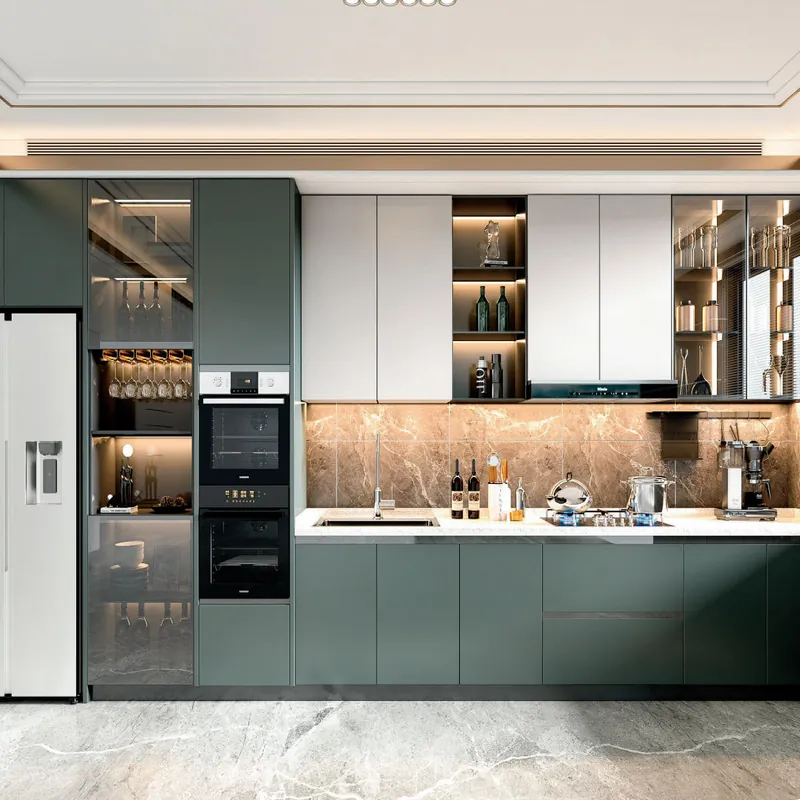
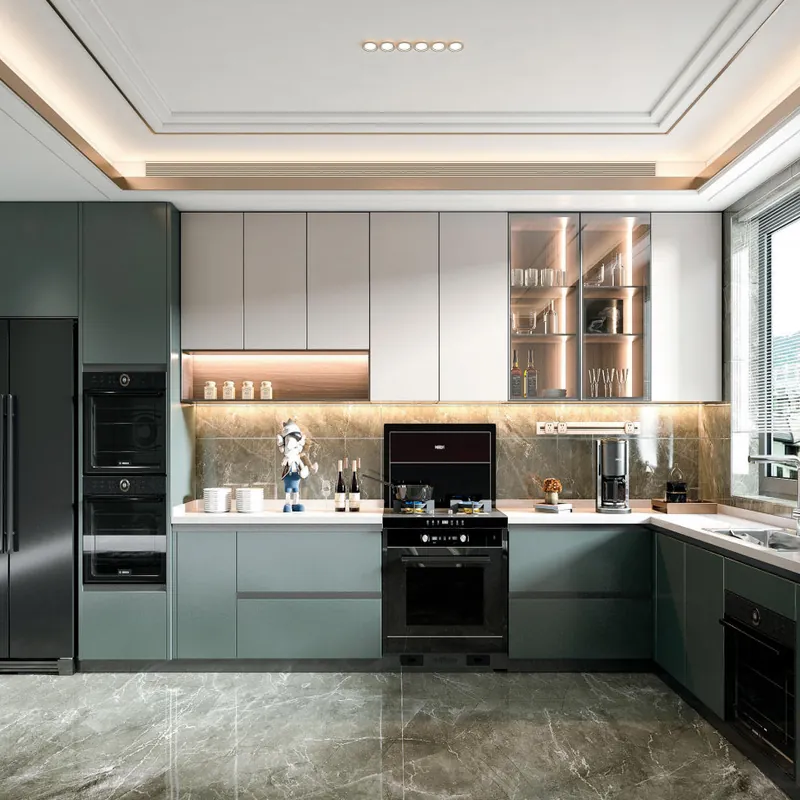
ForgeWin can review the room information through its ForgeWin design process and ForgeWin measurement guide, then connect the approved design to ForgeWin production process. The Kitchen & Wardrobe product range provides visual starting points, but the project is manufactured from approved dimensions, materials and hardware—not from the inspiration image alone.
For a quotation, include the room or floor plan, labelled photographs, ceiling height, appliance models, finish direction, destination and installation expectations. That package makes the reply faster and reduces allowances that later become variations. Contact ForgeWin with the project brief when those basics are ready.
Quartz is popular for consistent colour and straightforward indoor maintenance, while sintered stone is often chosen for heat, UV and thin-profile design. Fabricator skill, edge profile, unsupported spans, cut-outs and repair expectations matter as much as the slab label.
Laminate is usually the practical choice for broad design variety, everyday wear and controlled cost. Acrylic gives a deep glossy appearance but fingerprints and fine scratches can be more visible. The best option depends on the desired sheen, edge detail, cleaning habits and ability to replace a damaged front.
MDF can be a good wardrobe material in a dry, ventilated bedroom, especially for smooth painted or routed doors. Its weak point is prolonged moisture at cut edges or damaged surfaces, so grade, thickness, sealing, hinge fixings and the condition of the wall behind the wardrobe all matter.
Last reviewed: 29 August 2026. Project requirements, local regulations and manufacturer data can change; confirm the current documents for the destination and exact specification.