Sliding vs casement windows—which is better? The short answer is that neither option is universally better. Compare the exact products against the same climate, opening size, ventilation, view, energy, acoustic, safety, maintenance, appearance and budget requirements. The better choice is the one with stronger evidence and fewer compromises for the specific room and installation.
For “Sliding vs casement windows—which is better?”, compare the two proposed configurations against the same opening and acceptance criteria. Do not compare a premium version of one option with an entry-level version of the other, and do not transfer a rating from a different size or operator type.
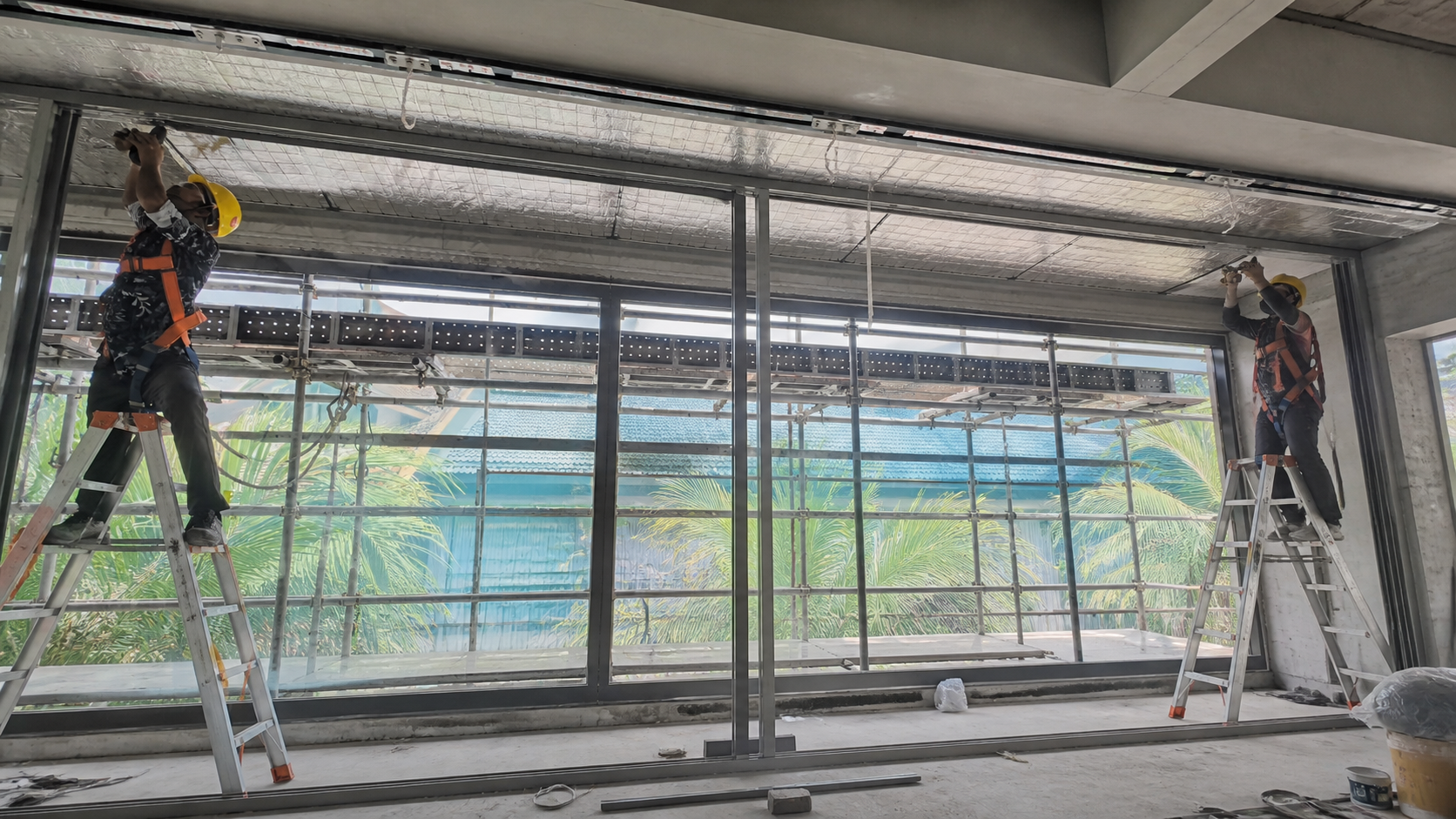
It is an easy point to miss when deciding “Sliding vs casement windows—which is better?”. Serviceable systems provide access to rollers, locks, hinges, restrictors, gaskets, drainage paths and replaceable glass. The handover manual should identify cleaning products, lubrication restrictions, inspection intervals, adjustment procedures and spare-part references without making unsupported universal life claims.
On a real project, ask how like-for-like comparison and project fit affects access after interior and exterior finishes are complete. A concealed fastener may look clean but create costly replacement work. Record serial, model or drawing references for components that are likely to need adjustment over the building’s use. It changes the answer to “Sliding vs casement windows—which is better?”.
The answer to “Sliding vs casement windows—which is better?” becomes clearer once these points are written down:
| Check | What to confirm |
|---|---|
| Use | Ventilation, access, view and operating space |
| Performance | Thermal, acoustic, air, water and structural data |
| Maintenance | Cleaning, adjustment and parts replacement |
| Appearance | Sightlines, colour, texture and proportions |
| Cost and risk | Equivalent scope, installation, evidence and lifecycle needs |
For “Sliding vs casement windows—which is better?”, a useful place to continue is the 65 Series thermal-break casement window. It gives a concrete product reference for the discussion above. The casement window collection and ForgeWin’s sliding door track and installation project provide broader product or installation context. Treat them as starting points: the proposed size, glass, hardware, performance and site scope still need project-specific confirmation.
You do not need a complicated workflow to resolve “Sliding vs casement windows—which is better?”. Work through the following points in order:
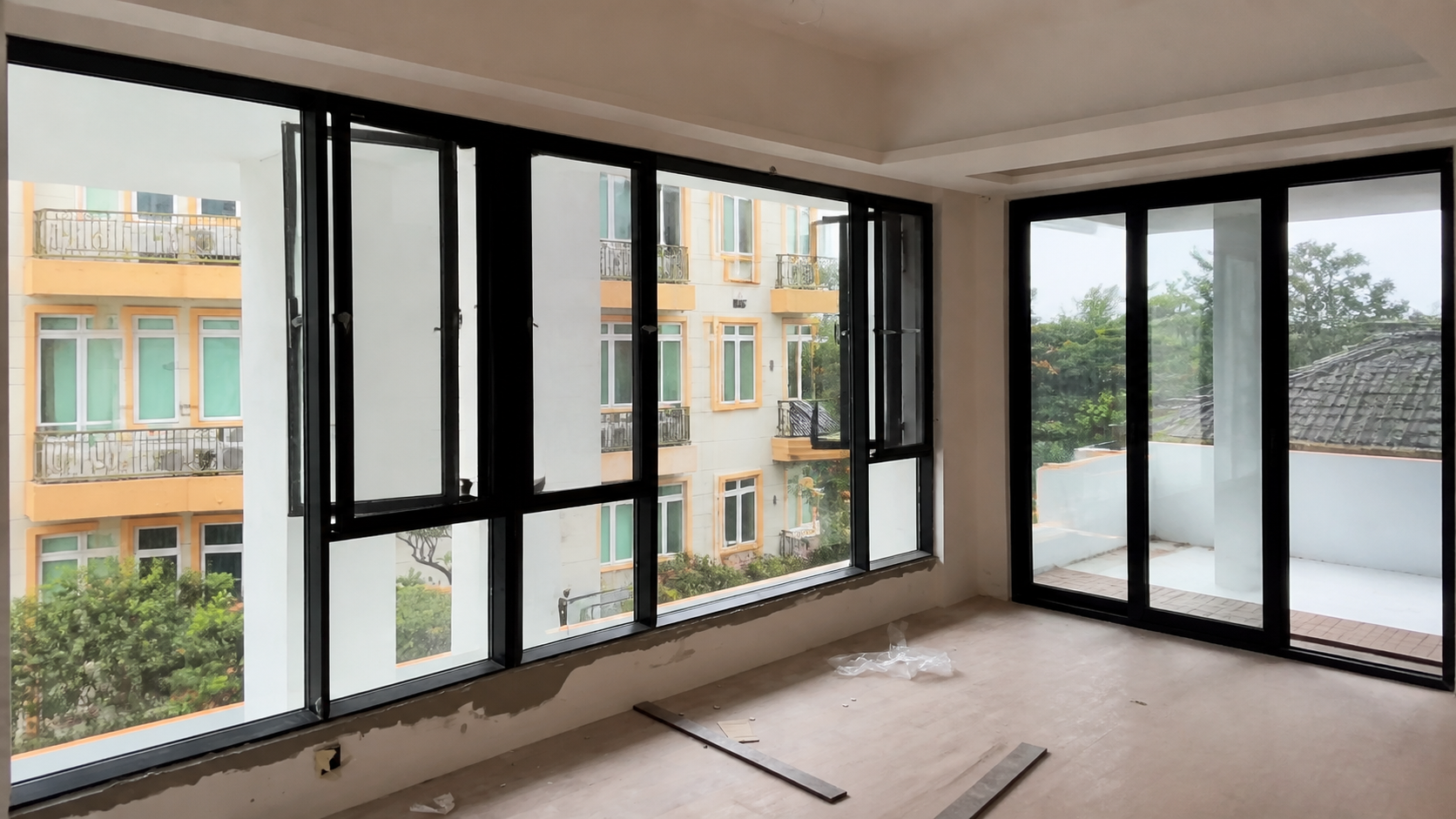
Keep this in view while answering “Sliding vs casement windows—which is better?” for the actual opening. A usable schedule gives every opening a mark and records width, height, operator type, handing, sill, frame system, glass, finish, hardware, screen, performance target and installation scope. It should distinguish structural opening dimensions from manufacturing dimensions and state who converts one into the other. At quotation stage, the schedule should make like-for-like comparison and project fit visible rather than burying it in general notes.
Use one controlled revision for design, quotation and approval. If a bidder changes a field, the deviation should be written beside the base requirement. This makes substitutions reviewable and helps the production label, packing list and site team use the same opening identity. It gives a firmer basis for “Sliding vs casement windows—which is better?”.
Ask the supplier to state maintenance and appearance, using the exact proposed configuration. The response should name exclusions and the evidence behind material claims. This matters for “Sliding vs casement windows—which is better” because a verbal yes can hide a different glass, hardware or installation scope.
It is ready for an order after the team can test operation or samples and record the trade-off and chosen basis, with dimensions and responsibilities confirmed. Until then, treat the answer to “Sliding vs casement windows—which is better” as planning guidance. Keep the accepted drawing, quotation and product reference together so production cannot follow an older assumption.
Start with use: ventilation, access, view and operating space. For “Sliding vs casement windows—which is better”, that first fact sets the boundary for the rest of the answer. Then record performance and any assumption that still needs a drawing, measurement or supplier confirmation.
For “Sliding vs casement windows—which is better?”, this guide draws on the cited technical references and the linked ForgeWin product or project pages. The conclusion is general guidance for like-for-like comparison and project fit, not a configuration-specific test report, fixed price or substitute for local code and project engineering.