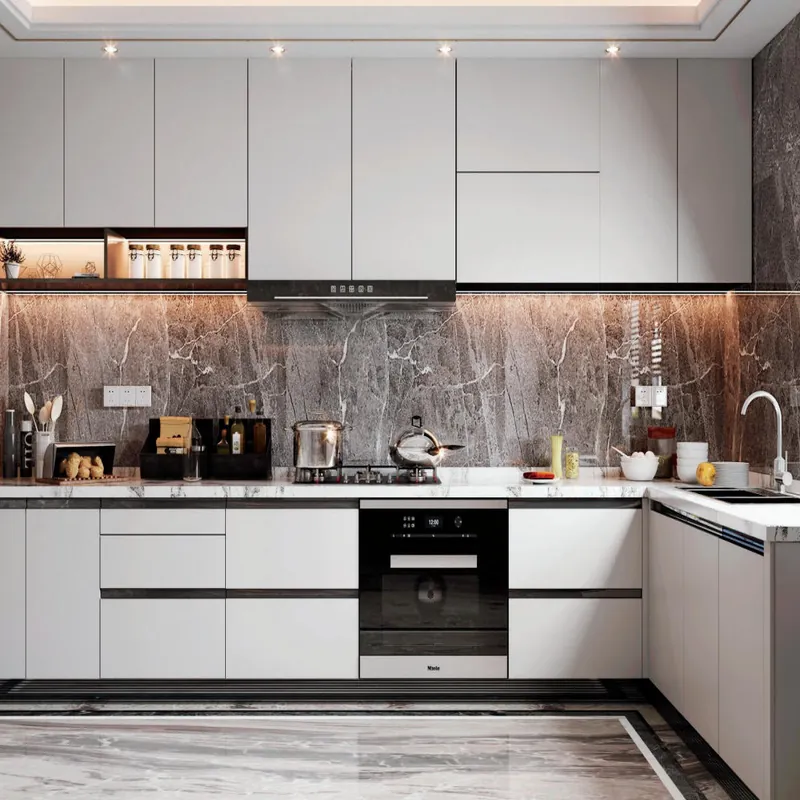
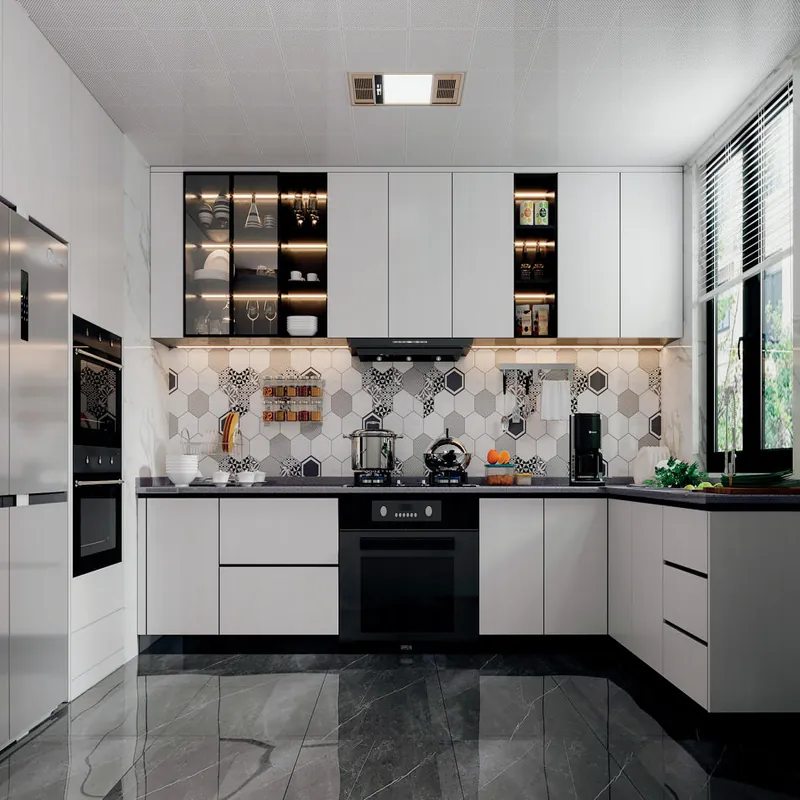
In brief: Stainless steel kitchen cabinets offer strong moisture resistance, cleanability, dimensional stability and resistance to termites, but they can show fingerprints, scratches and fabrication defects more clearly than some wood-based finishes. Cost, acoustics, edge quality, hardware, grade, finish and installation details determine whether the system is a good fit.
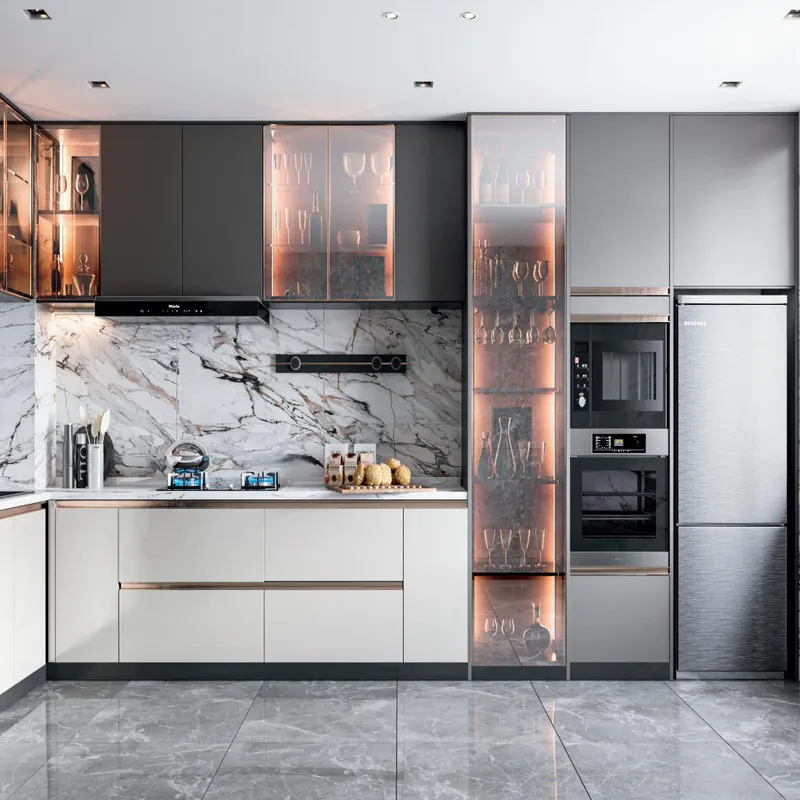
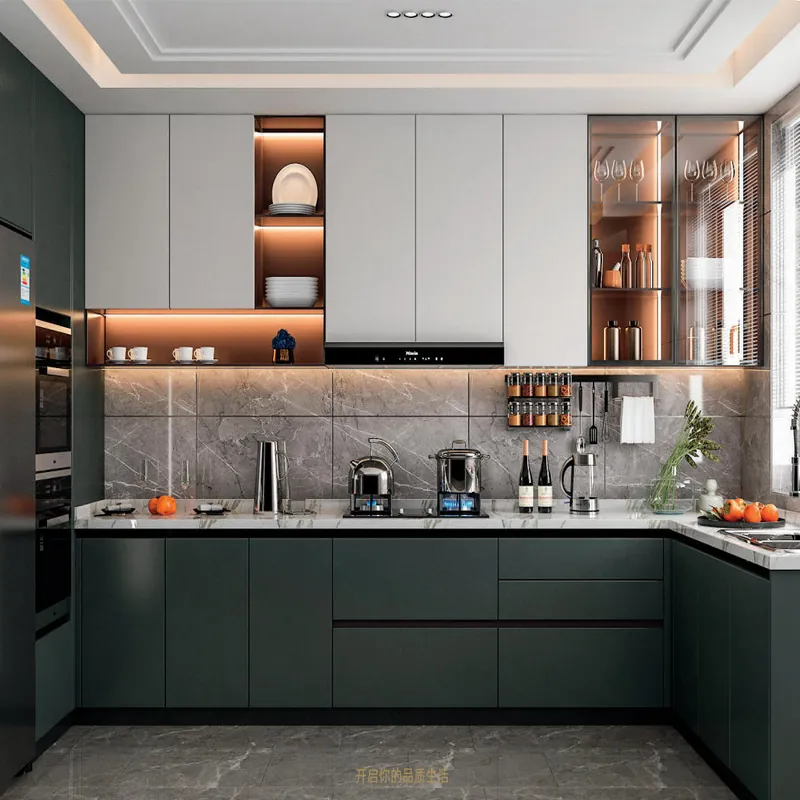
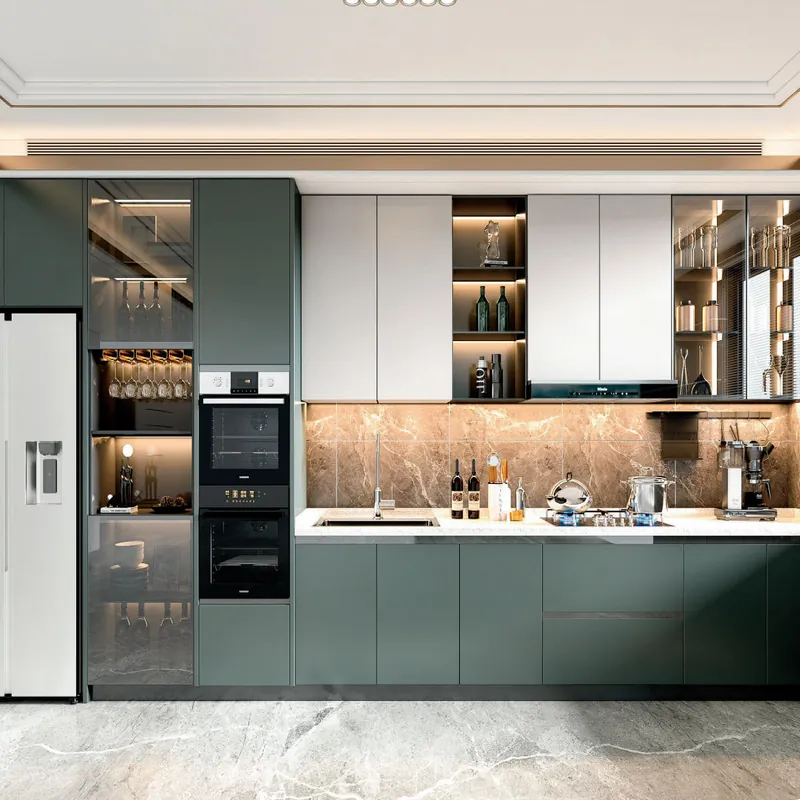
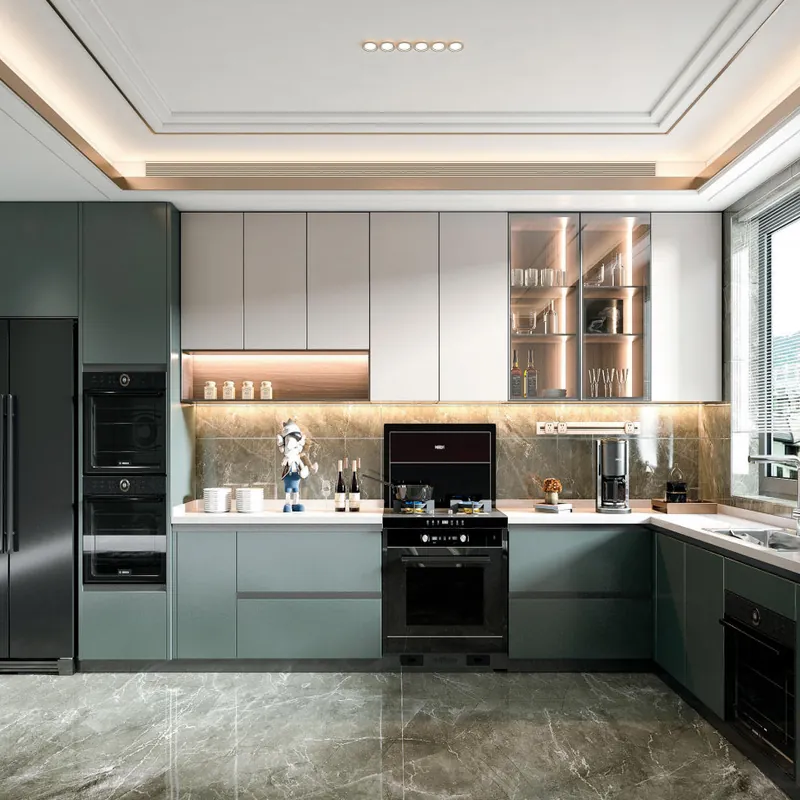
The material name does not define the finished kitchen. Residential stainless steel cabinetry can use matte, colored, textured or wood-look surfaces, integrated handles, stone worktops and concealed organization. Buyers should evaluate a real sample and an approved cabinet section rather than judging the concept from commercial kitchens alone.
| Potential advantage | Related tradeoff or question |
|---|---|
| Moisture-resistant metal construction | Joints, hardware, worktops and installation interfaces still need good detailing |
| Easy-to-clean nonporous surfaces | Some finishes show fingerprints, streaks and scratches |
| Resistance to termites and wood decay | Metal grade, finish and contamination control still affect corrosion behavior |
| Custom fabrication and thin visual lines | Poor fabrication can create sharp edges, waviness, noise or inconsistent gaps |
| Long service potential | Initial cost may be higher and repair methods differ from painted wood panels |
Stainless steel does not swell like many wood-based panels when exposed to moisture. That can be useful near sinks, dishwashers and humid environments. Nonporous surfaces can also be cleaned without the same edge-sealing concerns found in some panel products.
This does not make the whole kitchen waterproof. Water can still enter joints, damage hardware, reach wall construction or collect beneath worktops. Service penetrations and sink details need sealing and drainage planning.
Metal cabinet bodies do not provide a food source for termites and do not rot. This may be valuable in humid or pest-prone locations. Other components—including backing, decorative panels, wall framing and packaging—should still be reviewed.
A manufacturer can coordinate tall units, base cabinets, wall cabinets, islands, appliance housings and specialty storage from project drawings. Decorative options may include brushed metal, matte colors, textures and wood-look finishes. Confirm that the sample represents the production process and that edge, corner and handle details are included.
Metal construction can provide stable cabinet geometry when sheet thickness, reinforcement, bending and assembly are controlled. Consistency helps with door alignment and appliance integration, but hinges, slides and installation leveling remain critical.
Reflective and dark surfaces may show fingerprints. Directional finishes can make cross-grain scratches visible. Ask how the proposed finish should be cleaned, whether touch-up is possible and how replacement panels will match later.
Thin, unsupported metal panels can sound hollow or resonate. Cabinet construction may use folded profiles, reinforcement, damping material or composite door assemblies to change the feel. Test a sample door and drawer rather than relying on a photograph.
Edges, welds, bends, corners and cut-outs must be controlled. Inspect for sharp edges, distortion, inconsistent reveals, exposed fasteners and finish damage. Appliance ventilation and service access should be shown on approved drawings.
Price depends on grade, thickness, finish, construction, hardware, worktop, internal accessories, quantity and shipping. Late changes can be expensive because fabricated panels and appliance cut-outs may not be reusable. Freeze appliance models and utility positions before production.
There is no universal winner. Wood-based cabinetry offers familiar joinery, broad style options and repair methods. Stainless steel offers different moisture, pest and cleaning characteristics. Hybrid kitchens may use stainless cabinet bodies with decorative door panels or combine materials by zone.
Compare complete specifications: substrate, thickness, edge treatment, finish, hardware, drawer construction, back panels, worktop support and warranty. A low-grade version of either material can underperform a well-designed alternative.
Explore ForgeWin’s custom stainless steel kitchen cabinets manufacturer page for project workflow, design references and quotation requirements.
No. Residential systems can use decorative finishes, integrated handles and coordinated worktops.
Yes. Scratch visibility depends on finish, lighting and use. Approve a physical sample and maintenance expectation.
Some systems offer wood-look or textured finishes. Confirm the exact process, sample and edge treatment.
Send plans, elevations, dimensions, appliances, storage needs, grade, finish, worktop scope, quantities and destination. Request a factory review after the design inputs are ready.