The question “What is your production lead time?” sounds simple, but the right answer is still clear: Manufacturing time starts only after dimensions, drawings, glass, finish and hardware are approved. It then depends on material availability, batch size, machining, glazing, inspection and packing. Ask for separate approval, production and delivery dates; a factory lead time does not include every step before the order reaches site.
For “What is your production lead time?”, the schedule should show who owns each dependency and what information releases the next stage. That makes delay visible early instead of hiding it inside one estimated duration.
The answer to “What is your production lead time?” becomes clearer once these points are written down:
| Check | What to confirm |
|---|---|
| Approval | Drawing, sample and specification release date |
| Materials | Profile, glass, finish and hardware availability |
| Production | Batch size, complexity and factory capacity |
| Quality | Inspection, testing and correction allowance |
| Delivery | Packing, freight, customs, access and storage |
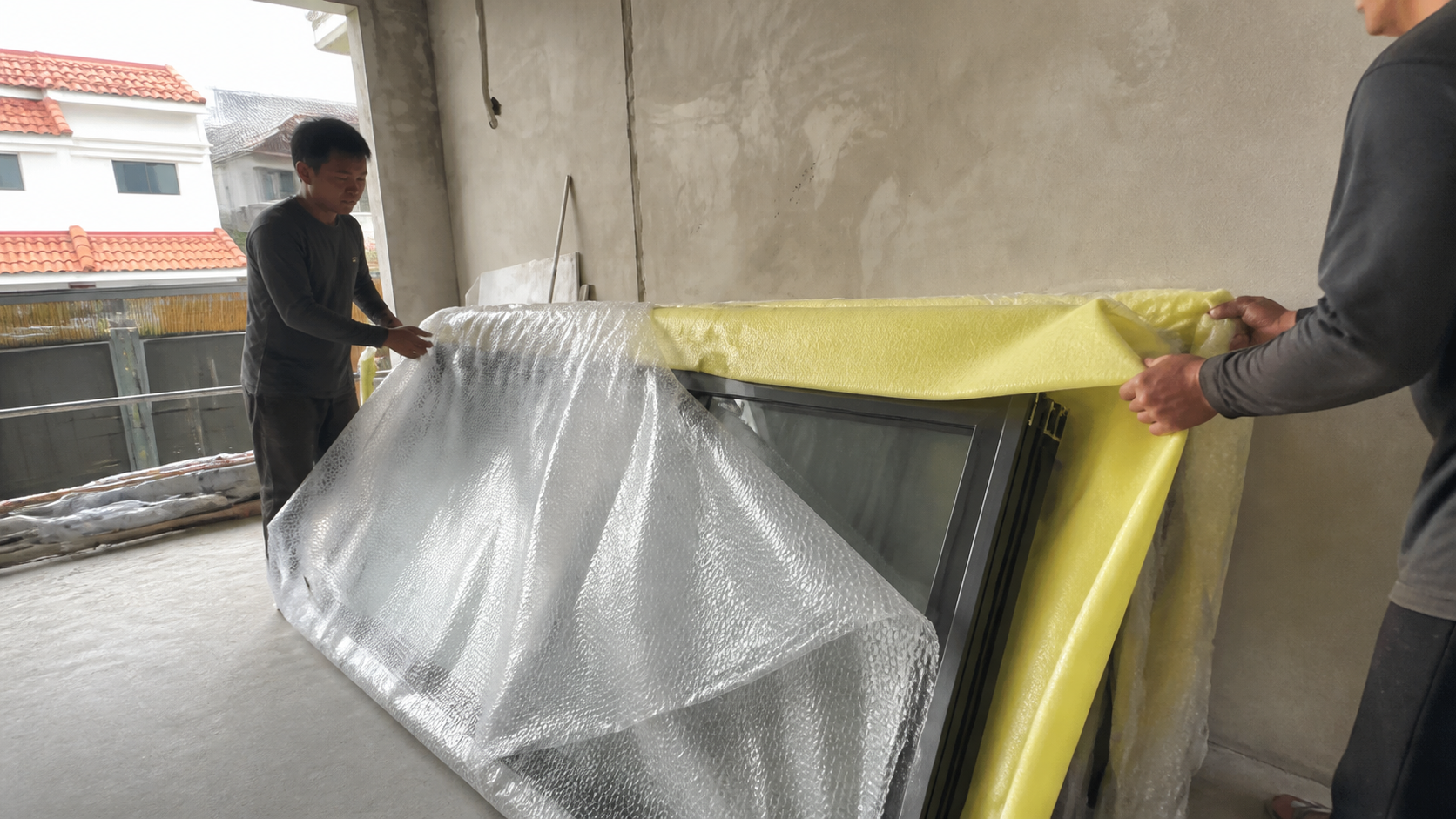
The practical link to “What is your production lead time?” is the information that must appear on the drawing or quotation. Frames and glass need protection from corner impact, abrasion, moisture, prolonged film exposure and uncontrolled stacking. Packing lists should connect crate or rack identities to opening marks, floor or zone and handling limits. Site access, lifting, storage and weather protection must be confirmed before dispatch.
For this decision, sequence deliveries around verified openings and installation capacity. lead-time milestones and delivery readiness can be lost if mixed units are repeatedly unpacked to find the correct item. Define damage reporting, quarantine and replacement procedures so a site issue does not contaminate accepted work. It is worth checking before deciding “What is your production lead time?”.
You do not need a complicated workflow to resolve “What is your production lead time?”. Work through the following points in order:
For “What is your production lead time?”, a useful place to continue is the 65 Series thermal-break casement window. It gives a concrete product reference for the discussion above. The ForgeWin doors and windows range and ForgeWin’s window-and-door delivery project provide broader product or installation context. Treat them as starting points: the proposed size, glass, hardware, performance and site scope still need project-specific confirmation.
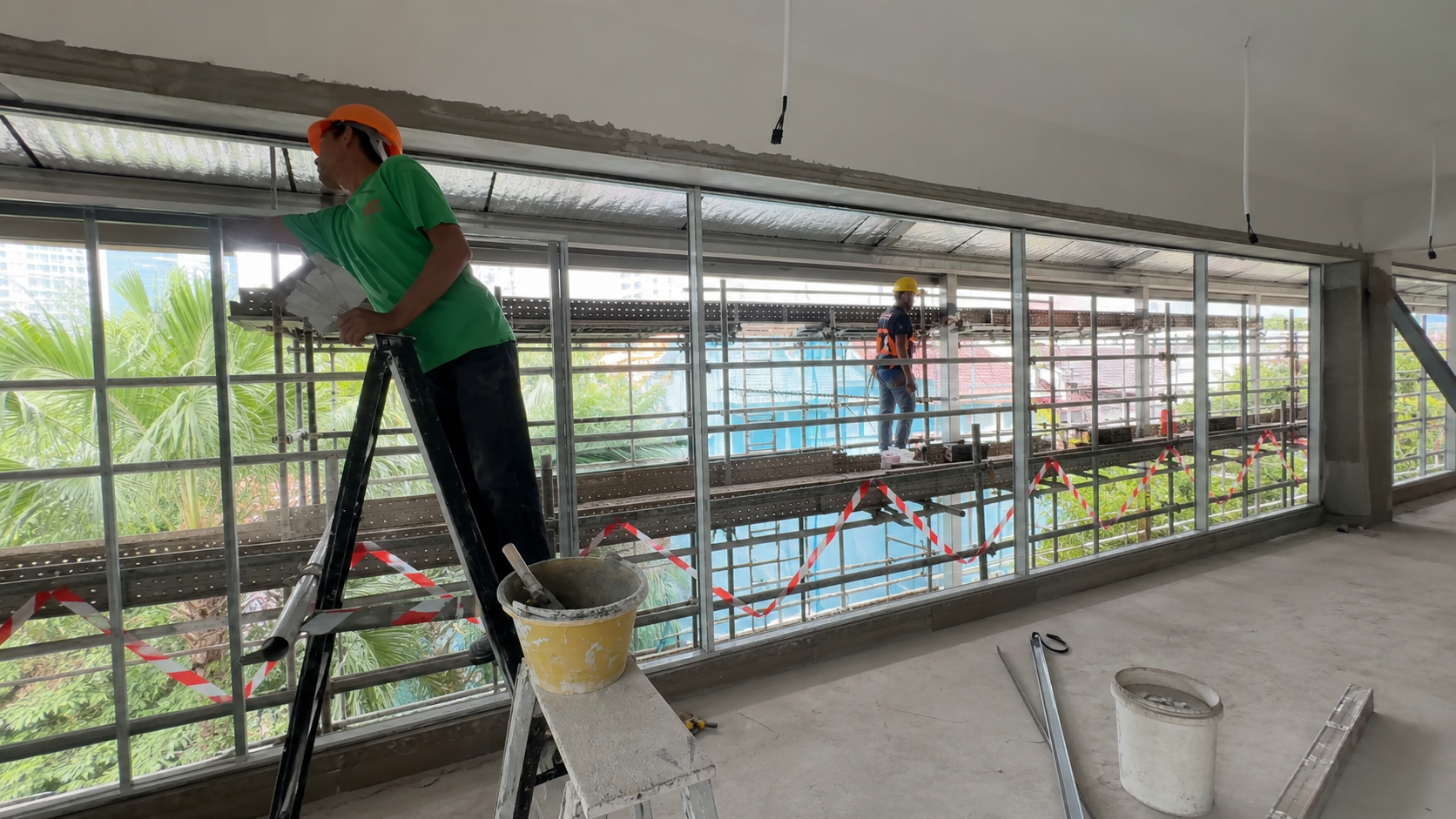
This is where the question “What is your production lead time?” becomes a project detail rather than a yes-or-no answer. A survey should record opening width and height at multiple points, diagonals, level, plumb, sill condition, reveal depth, adjacent finishes, obstructions and access. Photographs need an opening mark and viewing direction. The team must agree whether dimensions represent unfinished structure or the final receiving surface.
In practice, connect survey tolerances to packers, perimeter joints and closure details. lead-time milestones and delivery readiness is easier to control when drawings show the same datum used on site. If openings are still moving, define a remeasurement gate instead of adding an undocumented allowance. This is especially relevant to “What is your production lead time?”.
Start with approval: drawing, sample and specification release date. For “What is your production lead time”, that first fact sets the boundary for the rest of the answer. Then record materials and any assumption that still needs a drawing, measurement or supplier confirmation.
Ask the supplier to state production and quality, using the exact proposed configuration. The response should name exclusions and the evidence behind material claims. This matters for “What is your production lead time” because a verbal yes can hide a different glass, hardware or installation scope.
It is ready for an order after the team can release packing by zone and coordinate transport and site access, with dimensions and responsibilities confirmed. Until then, treat the answer to “What is your production lead time” as planning guidance. Keep the accepted drawing, quotation and product reference together so production cannot follow an older assumption.
For “What is your production lead time?”, this guide draws on the cited technical references and the linked ForgeWin product or project pages. The conclusion is general guidance for lead-time milestones and delivery readiness, not a configuration-specific test report, fixed price or substitute for local code and project engineering.