For anyone weighing up “Why do my windows leak when it rains heavily?”, the useful answer is: Properly designed and installed aluminium windows manage rain through exterior seals, pressure-moderated cavities, sill collection and drainage to the outside. Leakage during heavy rain may come from blocked weeps, failed perimeter joints, poor sill support, frame distortion or adjacent wall details—not only from the window itself.
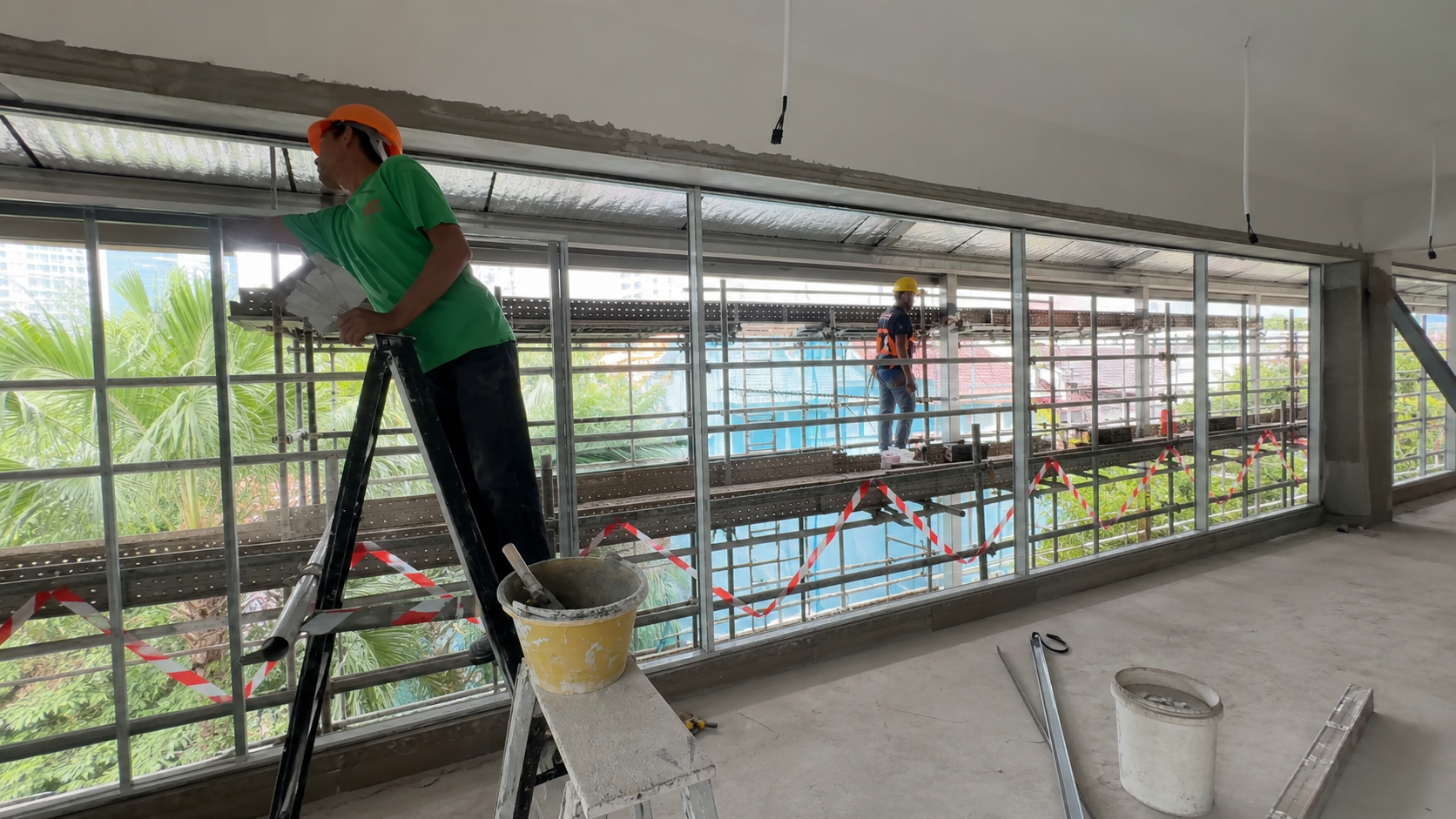
The answer to “Why do my windows leak when it rains heavily?” becomes clearer once these points are written down:
| Check | What to confirm |
|---|---|
| Leak location | Head, jamb, sill, meeting rail or adjacent wall |
| Weather | Wind direction, rainfall intensity and recurrence |
| Drainage | Weeps, cavities, end dams and exterior discharge |
| Perimeter | Flashing, sealant geometry and substrate |
| Frame condition | Level, distortion, gaskets, locks and maintenance |
For “Why do my windows leak when it rains heavily?”, record where water or air first appears, the weather conditions and the opening configuration. Diagnosis should preserve intentional drainage while testing frame joints, operable seals and the wall interface in a controlled sequence.
For “Why do my windows leak when it rains heavily?”, a useful place to continue is the 65 Series thermal-break casement window. It gives a concrete product reference for the discussion above. The windows and doors project gallery and ForgeWin’s window perimeter sealing project provide broader product or installation context. Treat them as starting points: the proposed size, glass, hardware, performance and site scope still need project-specific confirmation.
For “Why do my windows leak when it rains heavily?”, this detail is often more useful than a generic product claim. Installation should preserve frame geometry, sill support, drainage, anchor engagement, glass clearances and perimeter joint design. Check opening readiness before setting the unit; forcing a frame into an unsuitable opening can change gaps, lock engagement and water paths. Protect finishes while keeping inspection areas accessible.
Before you commit, use rain entry diagnosis and continuous drainage to define site checkpoints: position, level, plumb, diagonals, fasteners, packers, seals, drainage and operation. Record concealed work before closures are installed. Final handover should include adjustment, cleaning and maintenance guidance. Keep it in the brief for “Why do my windows leak when it rains heavily?”.
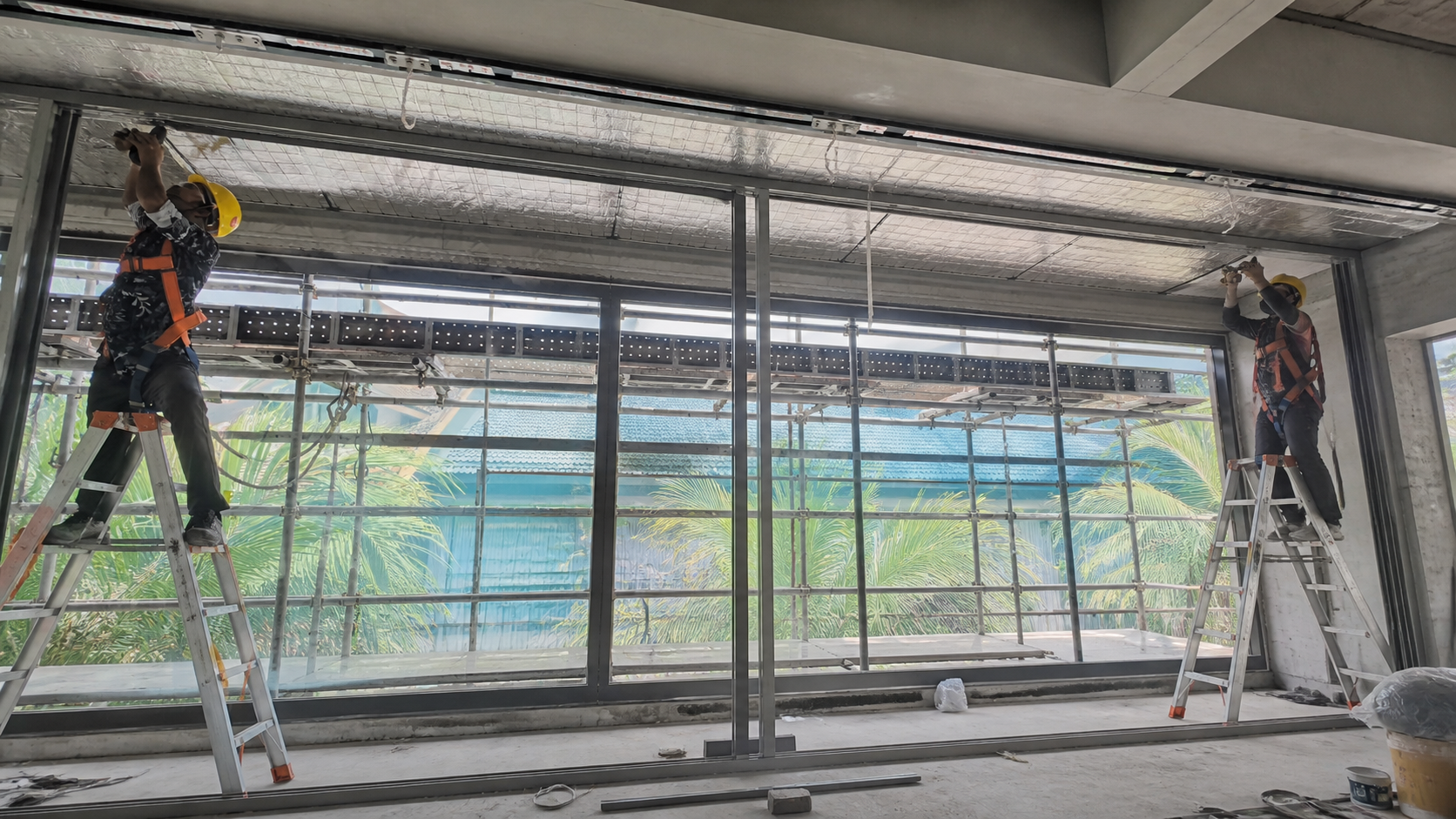
This gives the question “Why do my windows leak when it rains heavily?” a checkable project basis. Handover should reconcile approved drawings, opening schedule, installed marks, outstanding defects, test records, warranties, cleaning guidance, adjustment instructions and spare parts. Operate every opening and record restrictions or special controls. The owner needs a route for service questions after the project team leaves.
Once the opening is defined, capture rain entry diagnosis and continuous drainage in the final documents rather than leaving it in email. If a product or detail changed during construction, update the as-built record and maintenance information so future repairs do not rely on the superseded quotation. That is the practical connection to “Why do my windows leak when it rains heavily?”.
You do not need a complicated workflow to resolve “Why do my windows leak when it rains heavily?”. Work through the following points in order:
It is ready for an order after the team can test repairs in stages and document root cause before finishes close, with dimensions and responsibilities confirmed. Until then, treat the answer to “Why do my windows leak when it rains heavily” as planning guidance. Keep the accepted drawing, quotation and product reference together so production cannot follow an older assumption.
Start with leak location: head, jamb, sill, meeting rail or adjacent wall. For “Why do my windows leak when it rains heavily”, that first fact sets the boundary for the rest of the answer. Then record weather and any assumption that still needs a drawing, measurement or supplier confirmation.
Ask the supplier to state drainage and perimeter, using the exact proposed configuration. The response should name exclusions and the evidence behind material claims. This matters for “Why do my windows leak when it rains heavily” because a verbal yes can hide a different glass, hardware or installation scope.
For “Why do my windows leak when it rains heavily?”, this guide draws on the cited technical references and the linked ForgeWin product or project pages. The conclusion is general guidance for rain entry diagnosis and continuous drainage, not a configuration-specific test report, fixed price or substitute for local code and project engineering.