In brief: Stainless steel kitchen furniture should be selected as a complete cabinet system, not as a material label. Coordinate cabinets, islands, tall units, shelving and mobile elements. Search results often collapse different grades and constructions into one label. A project specification must separate them. The guidance below is intended for homeowners, hospitality teams and designers and distinguishes estimates from verifiable product or regulatory requirements.
The goal is to convert the search term into an approval-ready brief. The decision should cover fixed and mobile elements, ergonomics, stability, cleaning access and visual consistency. If one supplier assumes a full stainless carcass and another prices only stainless fronts, their totals are not comparable. The same problem occurs when grades, thicknesses, hardware, worktops or installation are left unstated.
Start with the environment and use. Indoor residential storage, restaurant preparation, an exposed terrace and a garage workshop place different demands on cabinets. “Stainless” means corrosion resistant, not corrosion proof, and the finished product still depends on surface condition, fabrication, detailing and care.
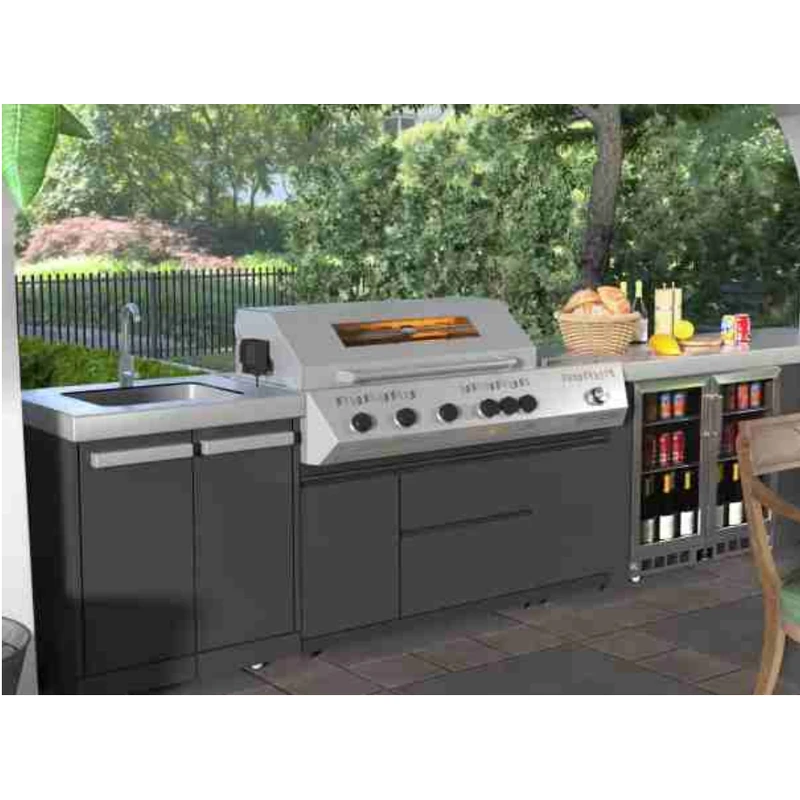
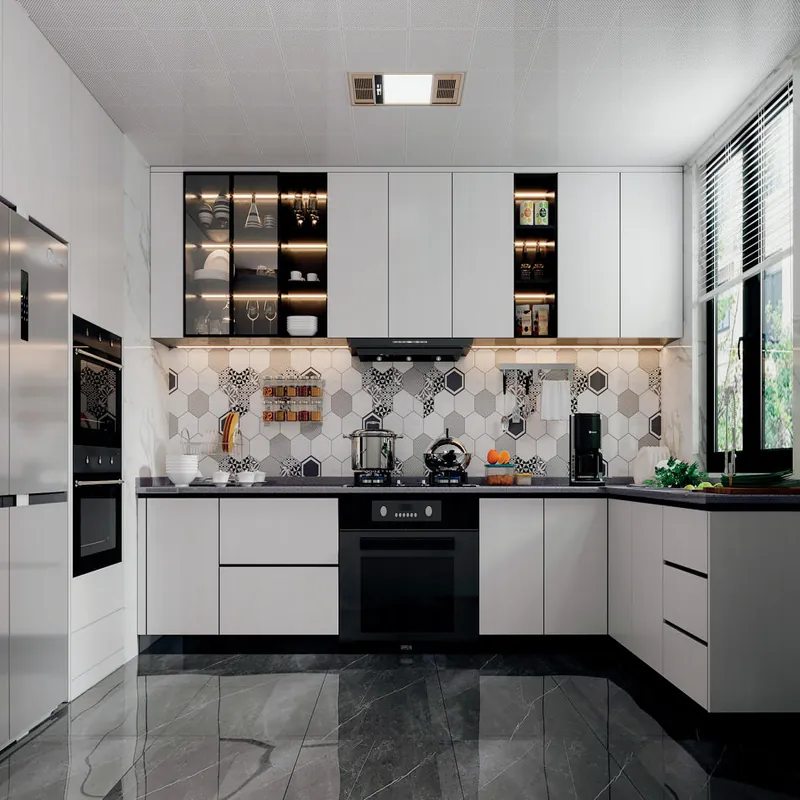
Base cabinets, wall units, tall storage, islands, open shelves and mobile trolleys should share dimensions and finish logic. Coordinate furniture with worktop joints, lighting, ventilation and service routes.
A wheeled island or cart needs stable proportions, suitable casters, brakes, load control and a safe route. It must not compromise required clearances or create unprotected utility connections.
Open shelves improve access but expose contents and increase cleaning. Closed cupboards control visual clutter, while drawers often make deep storage easier to reach. Select each type by task rather than repeating one cabinet everywhere.
| # | Decision factor | What to put in the project record |
|---|---|---|
| 1 | fixed and mobile elements | Record the sample, model, measurement or certificate used for approval. |
| 2 | ergonomics | Define the acceptance point and supporting document. |
| 3 | stability | Name the supplier, installer or designer responsible for verification. |
| 4 | cleaning access and visual consistency | Show the requirement on the schedule and coordinated drawings. |

This checklist is intentionally evidence-based. It does not assume that a grade name proves weather resistance, that a smooth photo proves cleanability, or that a material certificate proves whole-product certification. Where a project needs legal or sanitary compliance, ask the authority having jurisdiction and verify current requirements.
Use a ForgeWin catalog image as a discussion reference, not as an unstated promise. The kitchen cabinet collection shows layout possibilities; the custom project overview frames the next specification step. For exposed sites, consult the 304 and 316 selection article.
For stainless steel kitchen furniture, put fixed and mobile elements, ergonomics, stability, cleaning access and visual consistency in the written project record. Identify the grade and scope of bodies, fronts, shelves, fasteners and hardware. Add dimensions, samples, interfaces, installation responsibility and evidence requirements so every bidder prices the same deliverable.
Suitability is project-specific. Evaluate fixed and mobile elements, ergonomics, stability, cleaning access and visual consistency, then review site interfaces and maintenance. Do not transfer a material claim to a whole cabinet or assume one grade works in every location. Regulated, accessible, outdoor and chemical-exposure projects need additional checks.
Use documented approval gates: brief, measured drawings, material and finish samples, hardware schedule, coordinated shop drawings and final production release. For regulated work, confirm current local requirements and exact product listings. Match payment and inspection milestones to evidence you can review.
Stainless steel kitchen furniture is best evaluated through a documented project process: define the environment and use, write the component scope, coordinate appliances and services, approve samples and drawings, and verify any compliance claim. That approach gives homeowners, hospitality teams and designers a clearer basis for comparing quotations and reduces expensive changes after fabrication.
Evidence note for Stainless Steel Kitchen Furniture Planning Guide: Technical and regulatory links support general selection principles. Project dimensions, alloy choice, certification, installation and maintenance must be confirmed for the specific site and supplied product. This draft was prepared on 2026-08-24 and should be rechecked if standards or product specifications change.