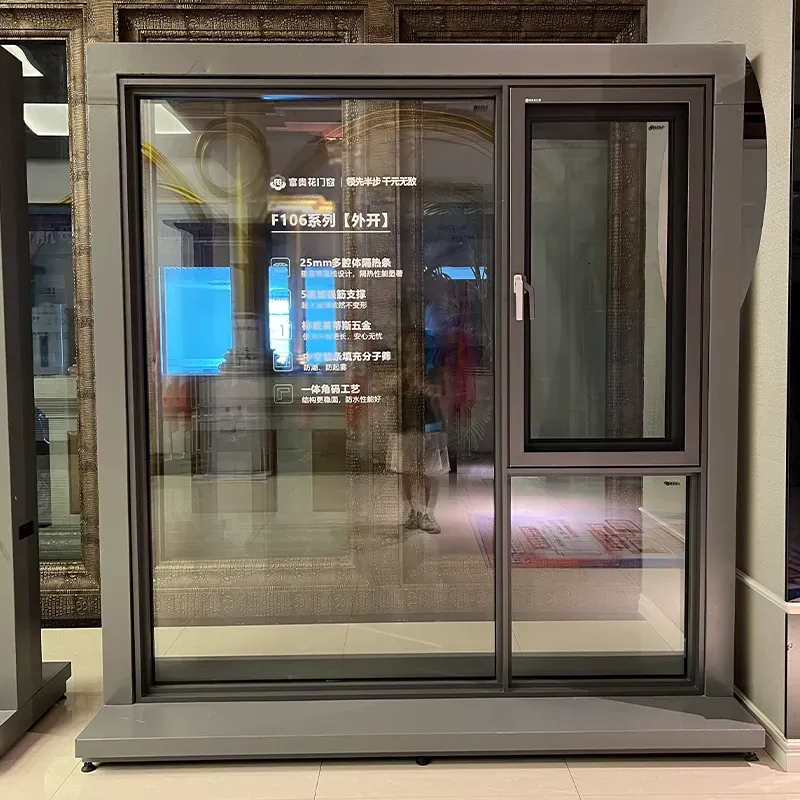
Aluminum sliding door rollers should be diagnosed as part of the door system. Dirt, a damaged track, misalignment or frame movement can resemble a worn wheel. Identify the door and hardware before ordering replacements, and use suitable professional help for heavy panels.
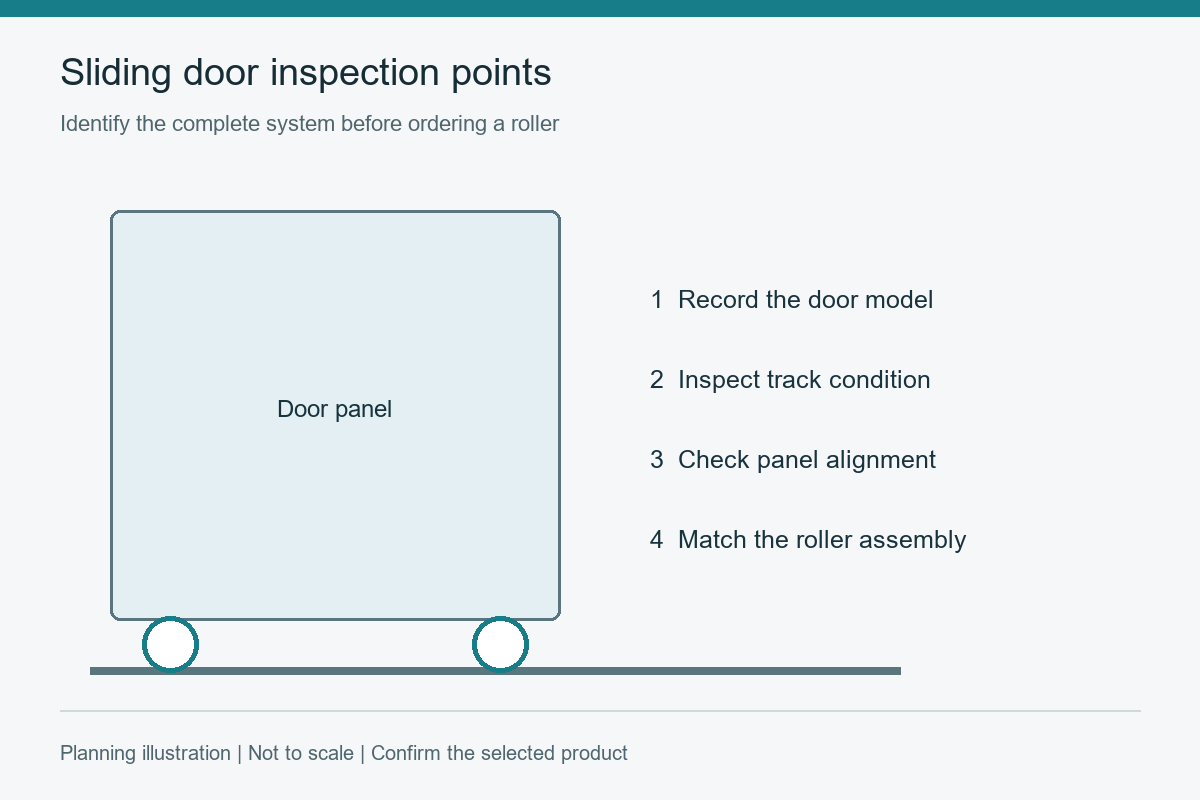
Glass and frame weight, panel width and use cycles determine roller or hinge demand. Do not select replacement wheels from diameter alone.
Debris, damaged rails, misalignment and frame movement can mimic worn rollers. Inspect the full system and correct the cause.
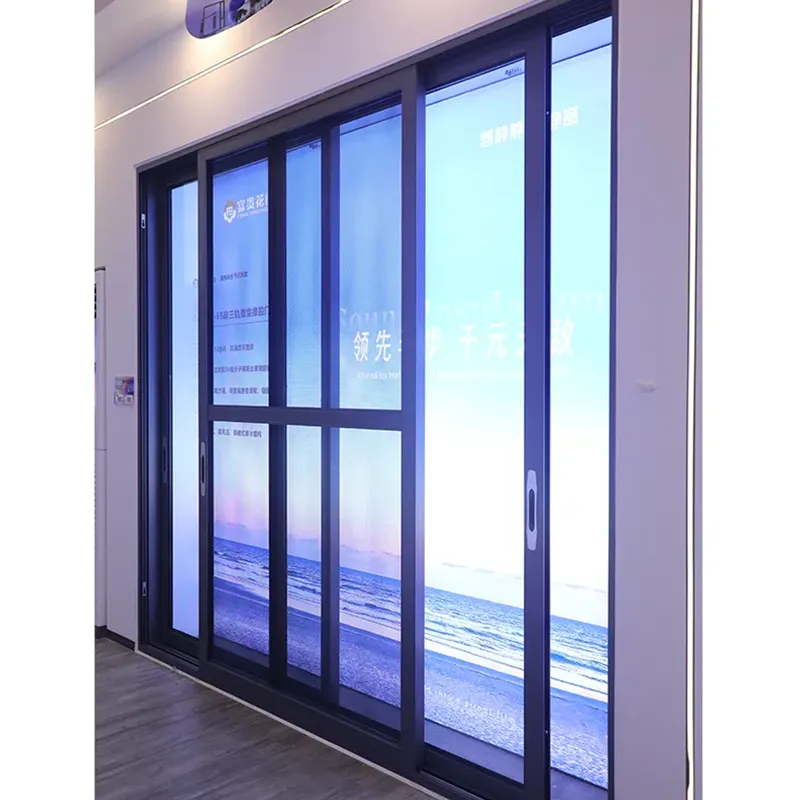
A related layout to review is 161 Narrow Sliding Door. Use the product page to discuss the proposed dimensions and configuration.
Record manufacturer, model, roller, lock and adjustment data. Use trained service for heavy panels and keep safety stops or anti-lift devices in place.
Note when the door sticks: throughout its travel, at one point on the track or only as it closes against the frame. Photograph the track and record the door model. Ask the service technician to inspect alignment and stops as well as the roller. A replacement chosen only by wheel diameter may leave the original problem unresolved.
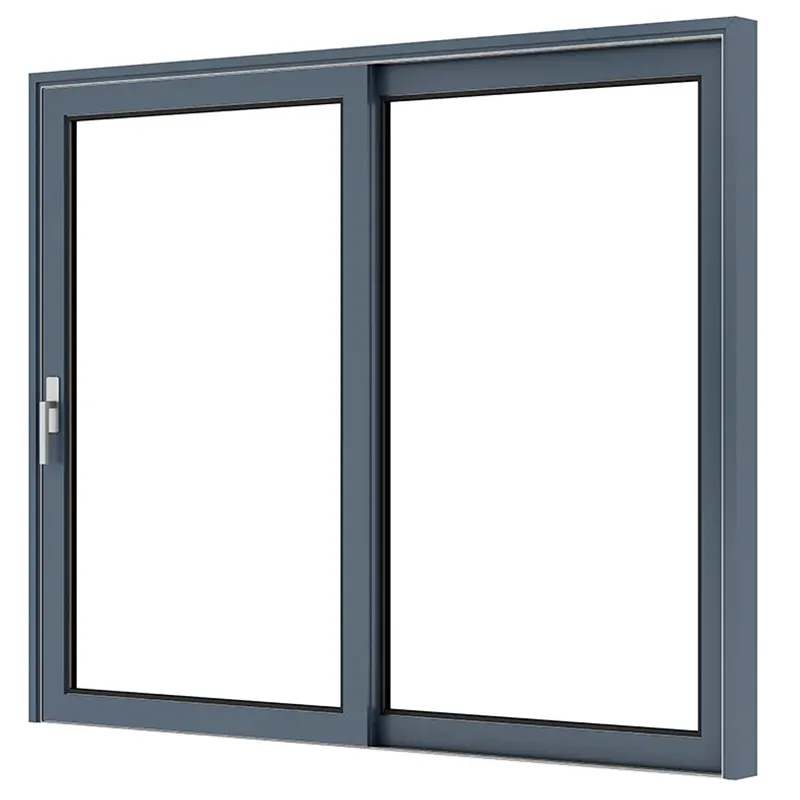
A related layout to review is 105 narrow sliding door. Use the product page to discuss the proposed dimensions and configuration.
No. Housing, mounting, adjustment range, wheel design and load suitability also matter. Match the manufacturer's compatible replacement information and have the installed door checked after the repair.
Keep the product identification, care instructions and a short record of any recurring issue together. Share the photographs and service history with the supplier when asking about the next maintenance step.