Aluminum window benefits are useful when they solve a specific room or building requirement. Compare the proposed frame, opening style, glass and maintenance needs together. The material name does not tell you how much ventilation, daylight or thermal performance the completed unit will provide.
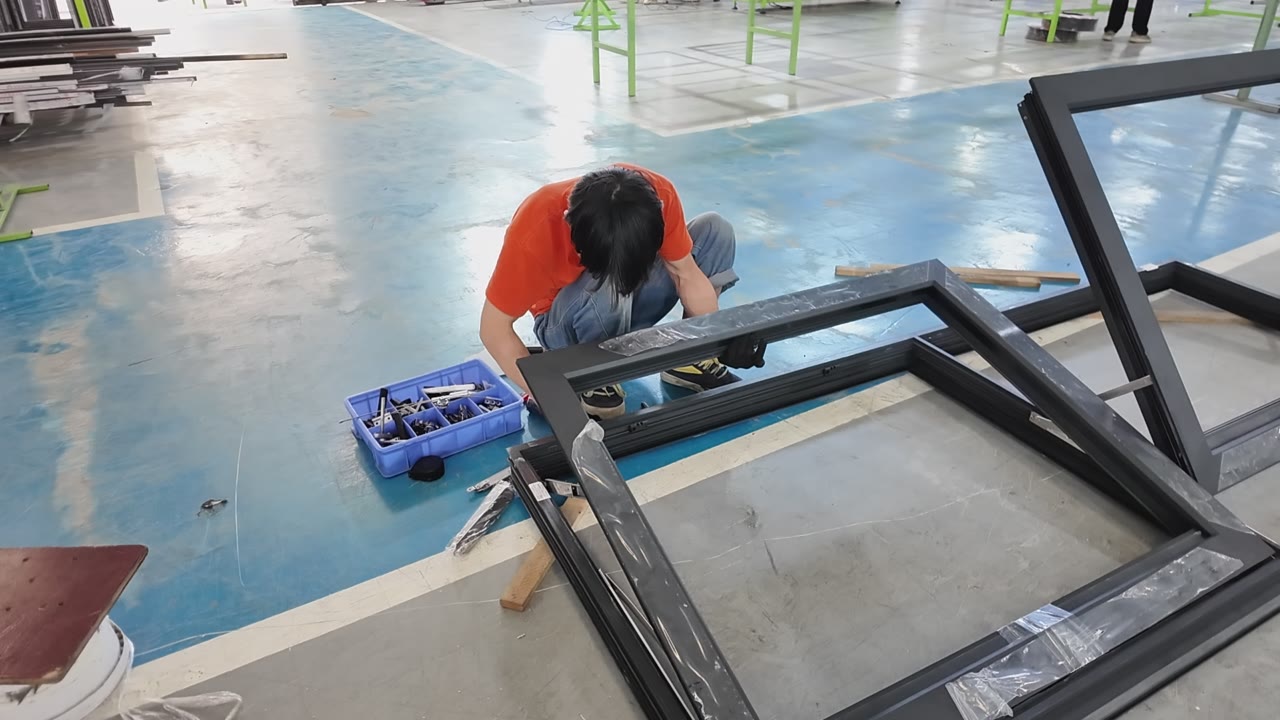
Extruded profiles can combine strength, precise geometry and relatively slim sightlines. Factory finishes offer broad color and texture options, and the metal is recyclable.
Aluminum conducts heat, so thermal breaks and whole-product ratings matter in conditioned buildings. Finish durability, coastal exposure and hardware selection also require project-specific review.
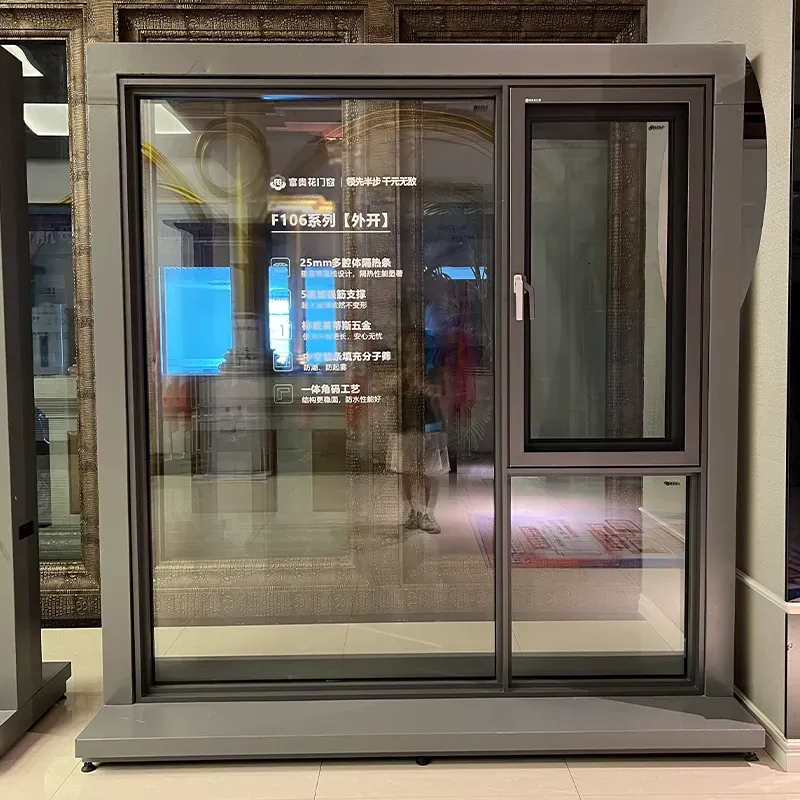
A related layout to review is F106 Series All-in-One Outward Casement Window with Insect Screen. Use the product page to discuss the proposed dimensions and configuration.
Frame material alone does not decide energy, acoustic, water or structural performance. Compare tested assemblies, installation details, maintenance and support on the same project criteria.
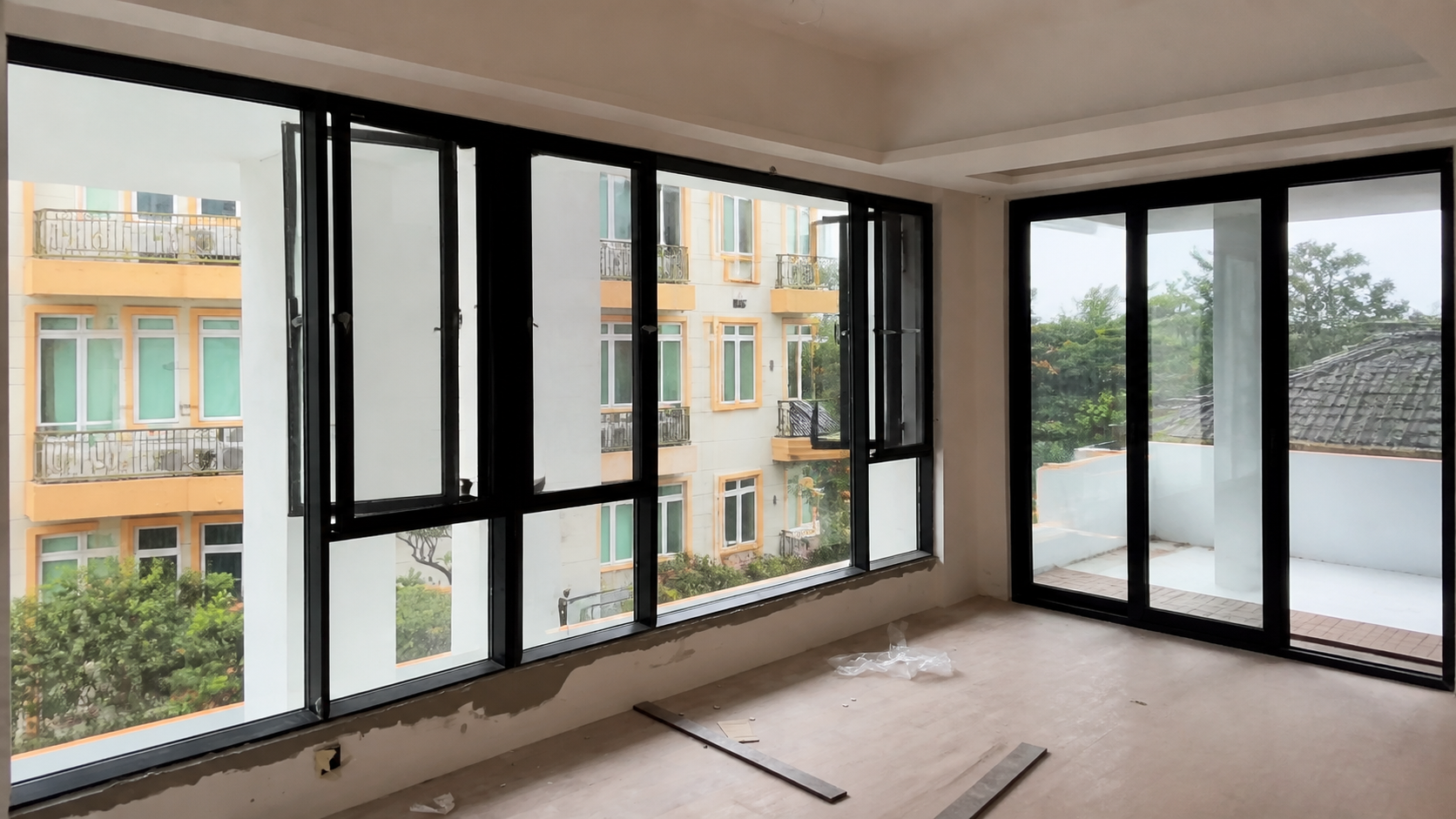
Fixed, casement, sliding and tilt-turn windows provide different ventilation, sealing, cleaning and egress characteristics. Select by room use and access, then confirm allowable sizes.
Frame depth, thermal break, glazing thickness and hardware must support the target size and performance. Use whole-product ratings where required.
Show sill drainage, anchors, perimeter seals and interior finishes. A good window cannot compensate for an uncontrolled rough opening or blocked drainage.
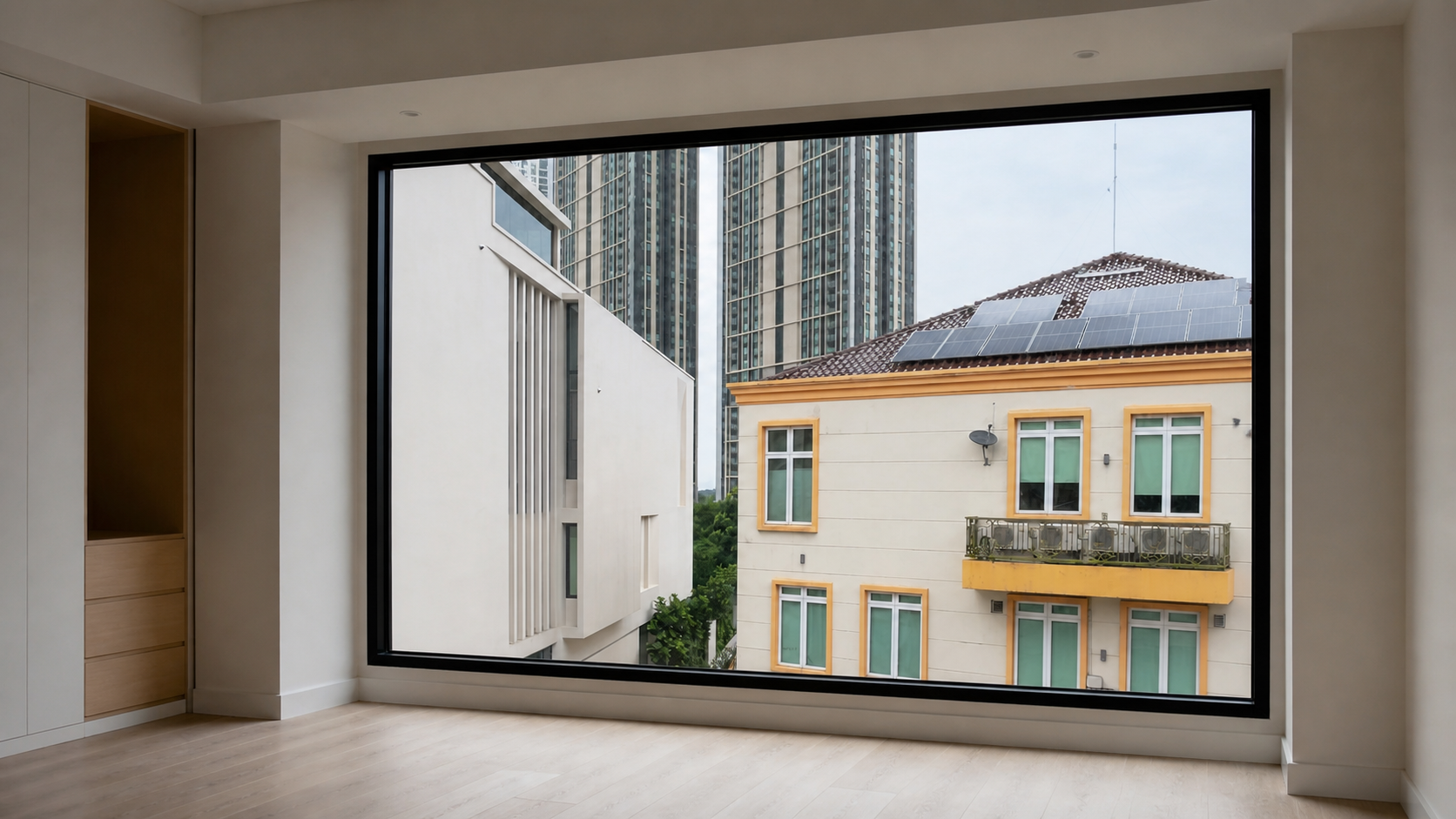
For a room facing a garden, list the priorities before comparing windows: view, usable opening, shade, cleaning and furniture placement. Mark which panels actually move on each proposed layout. A large glazed elevation may deliver the desired view while leaving only a small opening, so evaluate the room experience rather than the outside dimensions alone.
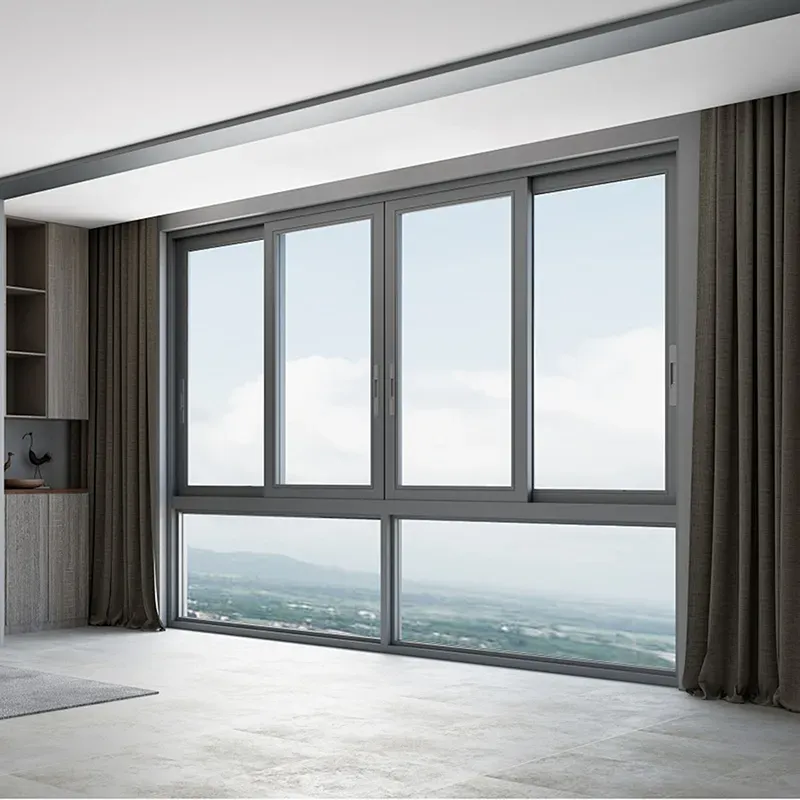
A related layout to review is 75 SERIES Ordinary Aluminum Sliding. Use the product page to discuss the proposed dimensions and configuration.
They are regional spellings of the same metal. The important differences are the actual window design, frame construction, glazing, hardware and finish. Use those details to compare products instead of treating the spelling as a technical distinction.
Use the checks above to mark the unresolved items on your drawing or quotation. Send that marked-up version with the selected product reference so the next discussion can focus on the actual configuration.