Compare aluminum window ratings for the complete proposed configuration, including frame, glass and operating type. Keep the rating method and units beside each value. A glass-only result or a figure for another configuration is not a substitute for the information needed to assess your window.
Energy performance depends on heat flow, solar gain and local weather. U-factor and SHGC should be selected for the project climate and orientation rather than ranked with one universal best number.
Glass center-of-pane data is not the same as a complete window or door rating. Frames, spacers, edge seals, size and operation influence performance. Use NFRC or other applicable certified ratings for the proposed product where required.
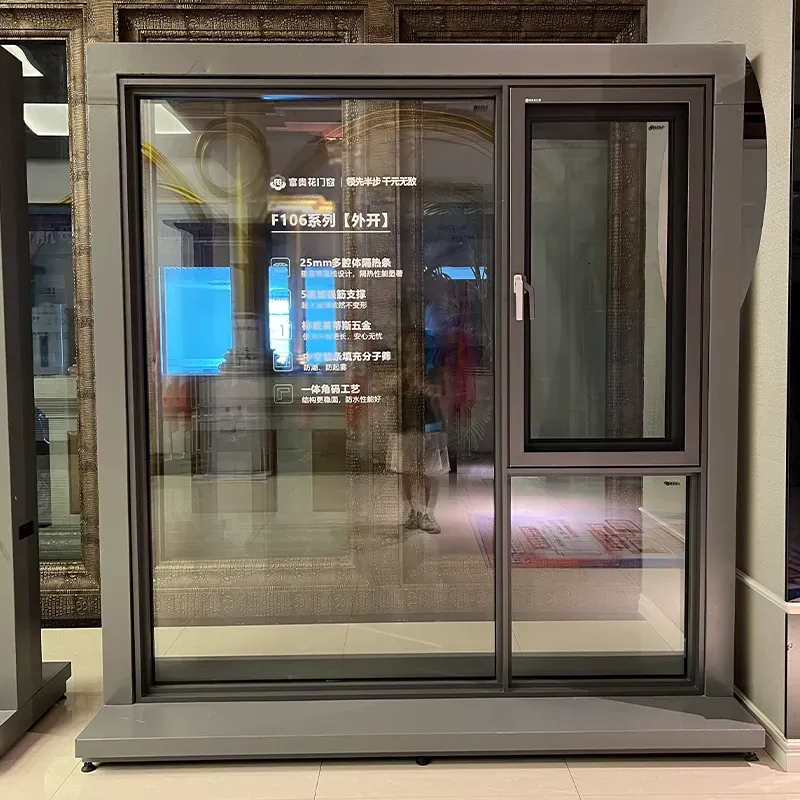
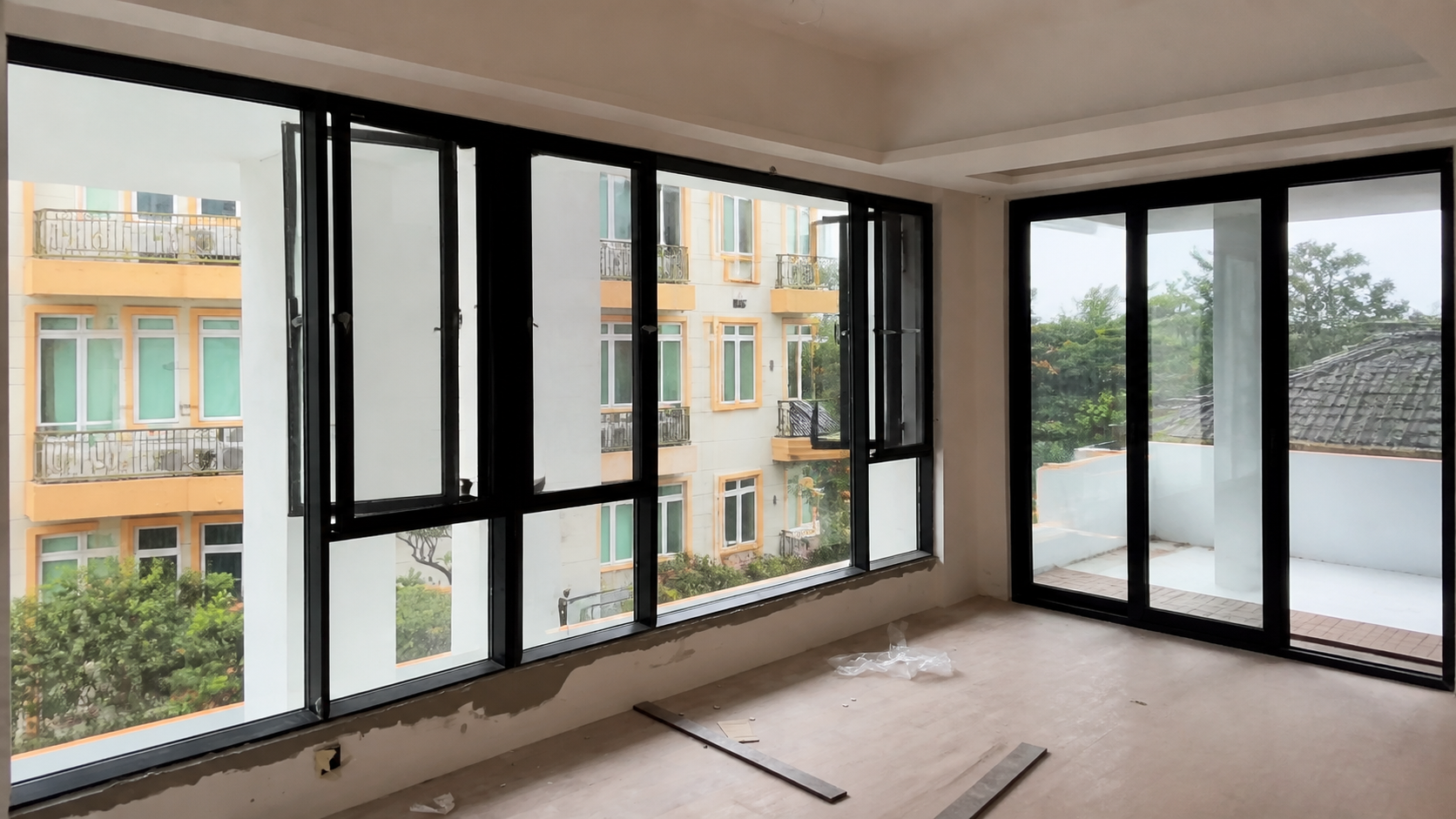
A related layout to review is F106 Series All-in-One Outward Casement Window with Insect Screen. Use the product page to discuss the proposed dimensions and configuration.
Air, water and structural requirements depend on building height, wind exposure, pressure, opening size and installation. Coordinate values with the project engineer and applicable standard; do not copy a residential label into a high-rise façade schedule.
Aluminum conducts heat, so thermally improved frames use barriers and geometry to reduce direct conduction. The quality of the thermal break and the continuity of surrounding insulation matter alongside the glass.
ENERGY STAR criteria vary by climate zone and use U-factor and, where applicable, SHGC. Select certified whole-product ratings rather than relying on glass-only values or an undefined thermal-break claim.
Perimeter gaps, metal subframes and discontinuous insulation can bypass a good product. Coordinate the window or door with the wall’s air, water and thermal layers and verify the installed detail.
Place the two quoted systems in adjacent columns and identify what each stated value describes. Check the opening type and glazing before drawing a conclusion from the numbers. Ask the suppliers to clarify any mismatch, then review the result against the climate and orientation. Thermal data should sit alongside the project's weather and structural requirements, rather than replace them.
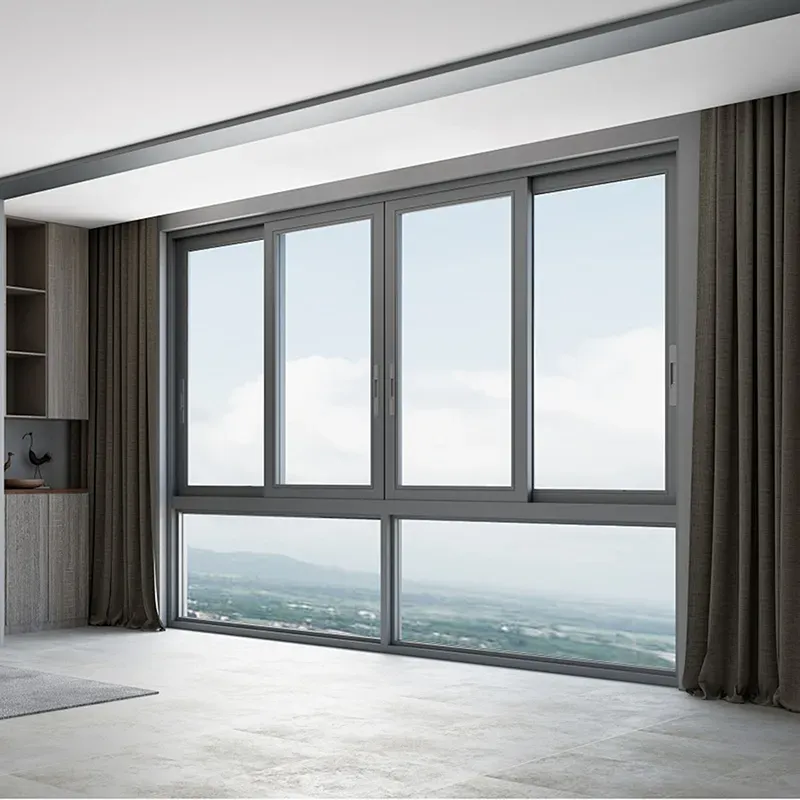
A related layout to review is 75 SERIES Ordinary Aluminum Sliding. Use the product page to discuss the proposed dimensions and configuration.
| Term | What it describes | Comparison check |
|---|---|---|
| U-factor | Heat transfer through the product | Compare whole-product values in the same units |
| SHGC | Solar heat admitted through the product | Match the choice to climate and orientation |
| Air leakage | Air passing through the closed product under test | Check the test conditions and configuration |
A thermal break is a construction feature, not a complete performance rating. Compare the whole-window information for the actual glazing and frame arrangement, and assess it against the project's needs.
Use the checks above to mark the unresolved items on your drawing or quotation. Send that marked-up version with the selected product reference so the next discussion can focus on the actual configuration.