A custom door manufacturer should do more than alter a standard size. The right partner turns your opening, performance goals, and design intent into a buildable specification. Before requesting a quote, collect the information that affects engineering, price, lead time, and installation.
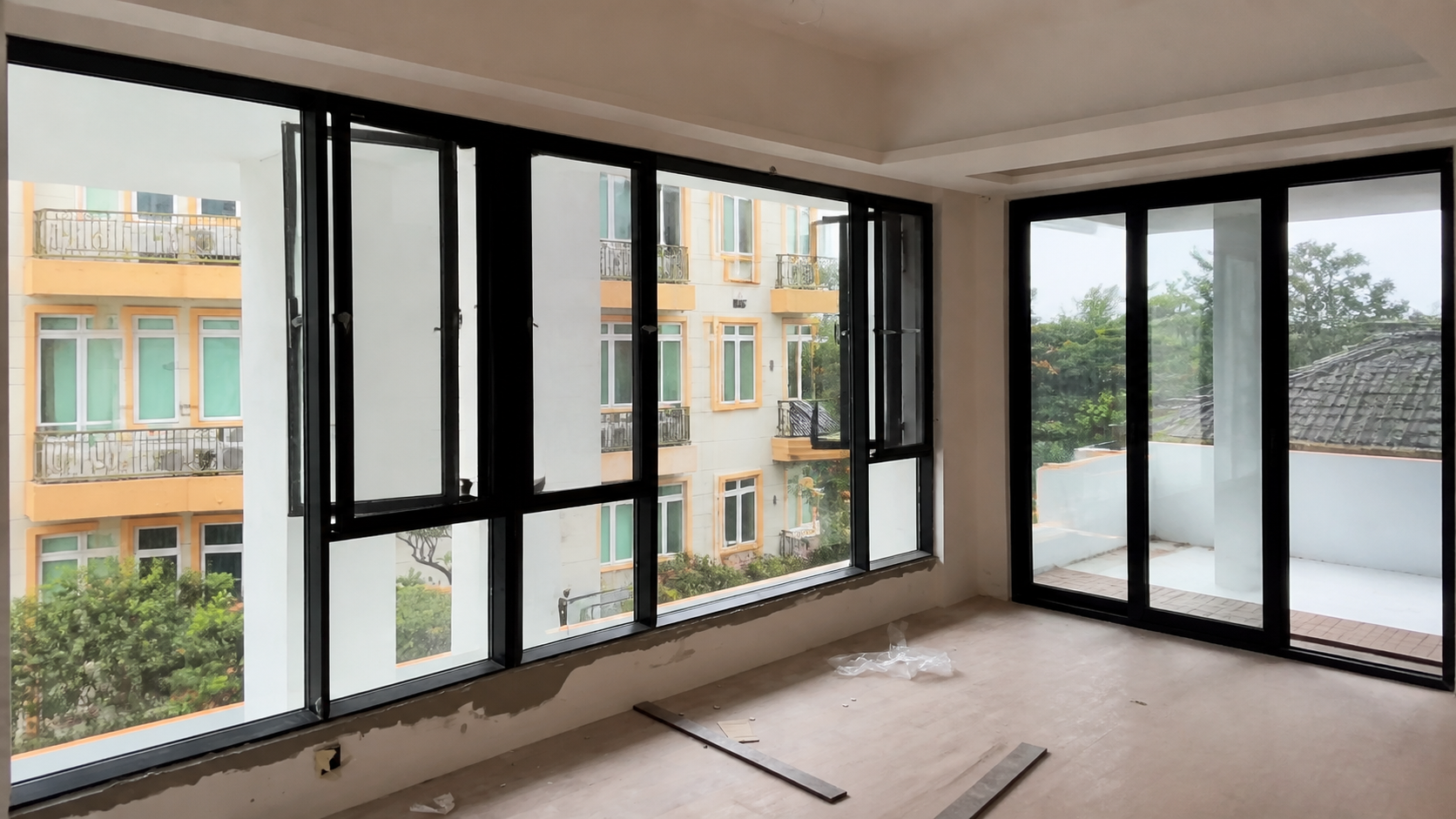
Share the rough opening, finished opening, wall type, sill height, handing, panel layout, and target clear width. Include photos with a tape measure and identify whether the project is new construction, a replacement, or a renovation. A manufacturer can price accurately only when the opening and installation conditions are understood.
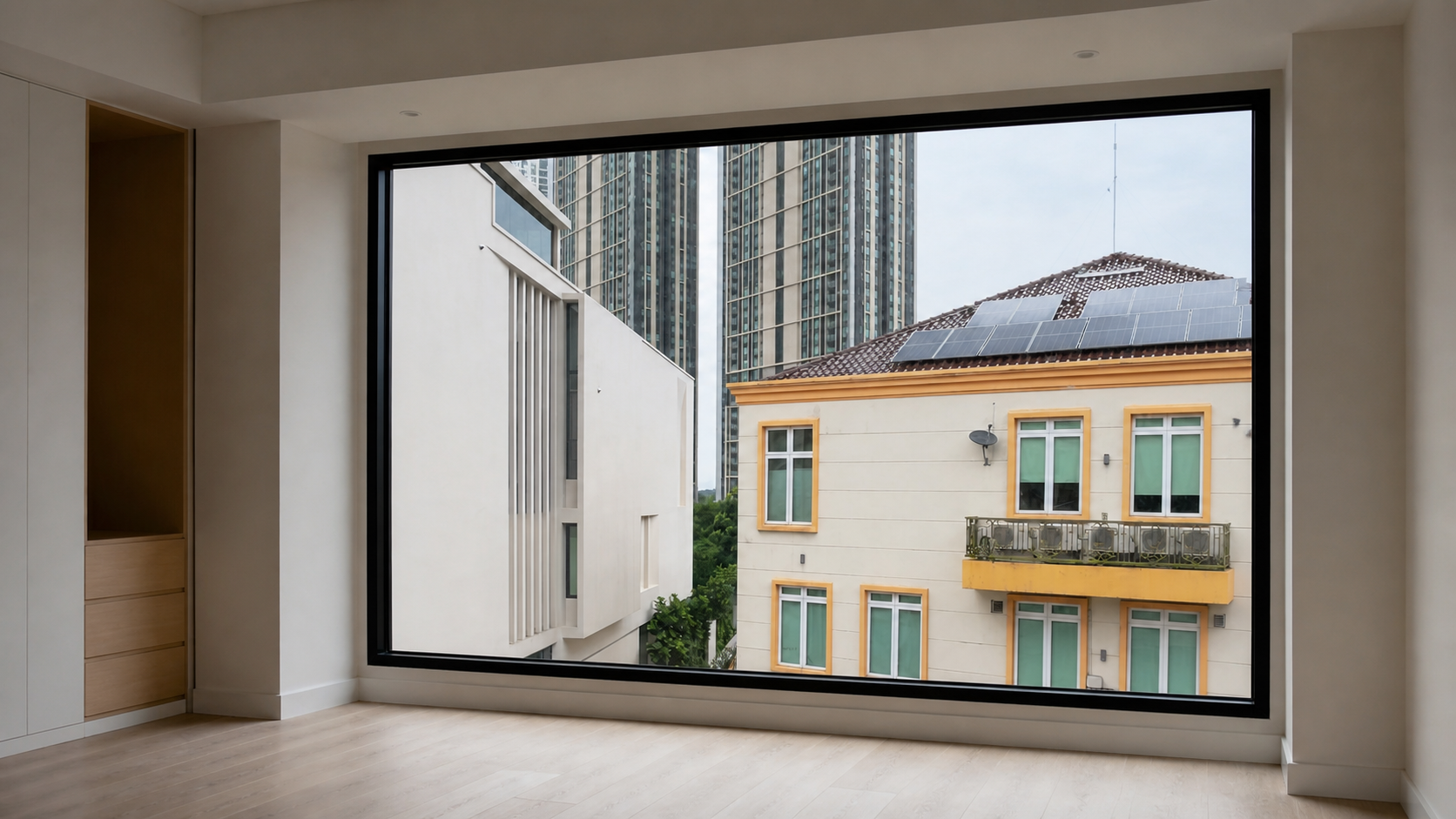
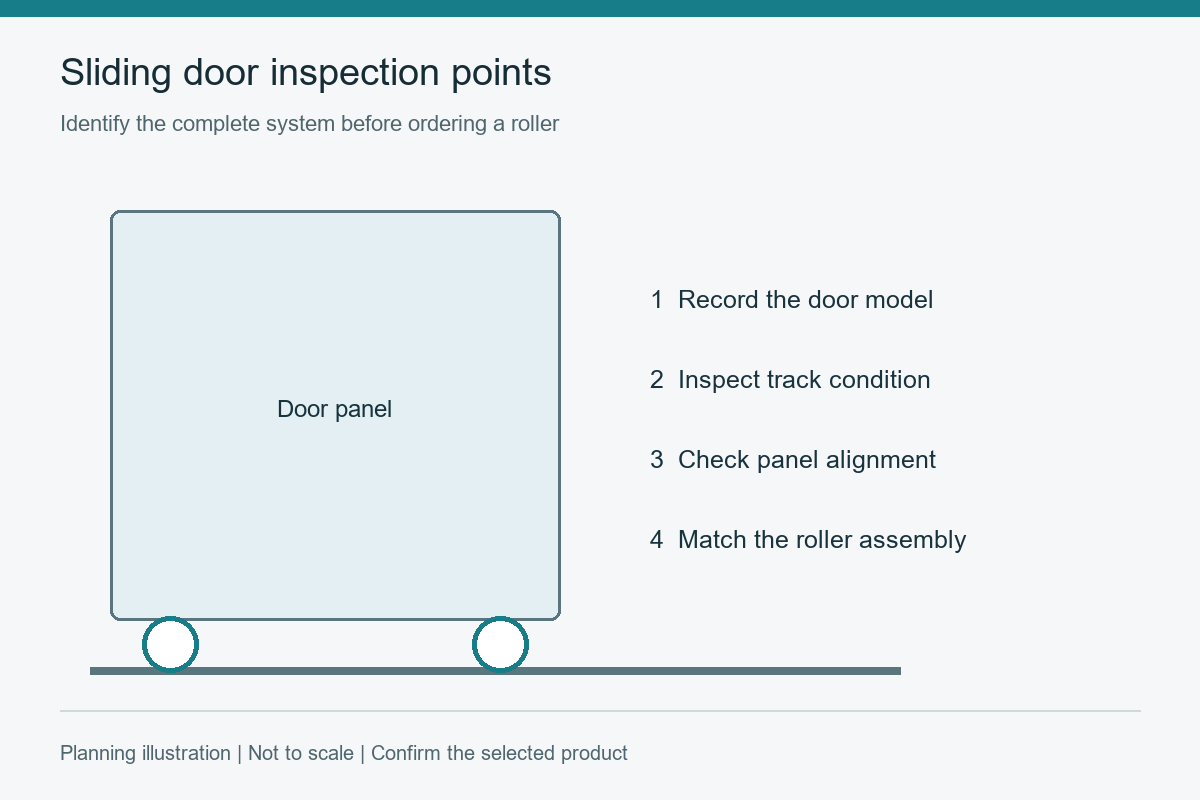
Aluminum works well for large glazed openings when you need slim sightlines and stable frames. Solid wood provides warmth and can be refinished, while engineered wood improves dimensional stability. For wet or high-traffic areas, ask about coating durability, edge protection, and replacement parts. If you are comparing sliding configurations, review our sliding door buyer’s guide.
Ask for a shop drawing that shows overall dimensions, panel sizes, frame depth, glass build-up, hardware positions, drainage, and fixing points. Check the swing or slide direction and the location of locks and handles. Changes are inexpensive on a drawing and expensive after fabrication, so approval should be a clear written step.
For exterior units, ask which air, water, structural, and thermal results apply to the quoted configuration. Confirm glass safety requirements and the hardware cycle rating where the door will receive frequent use. The tested performance belongs to the complete assembly; changing glass, hardware, or size can change the result.
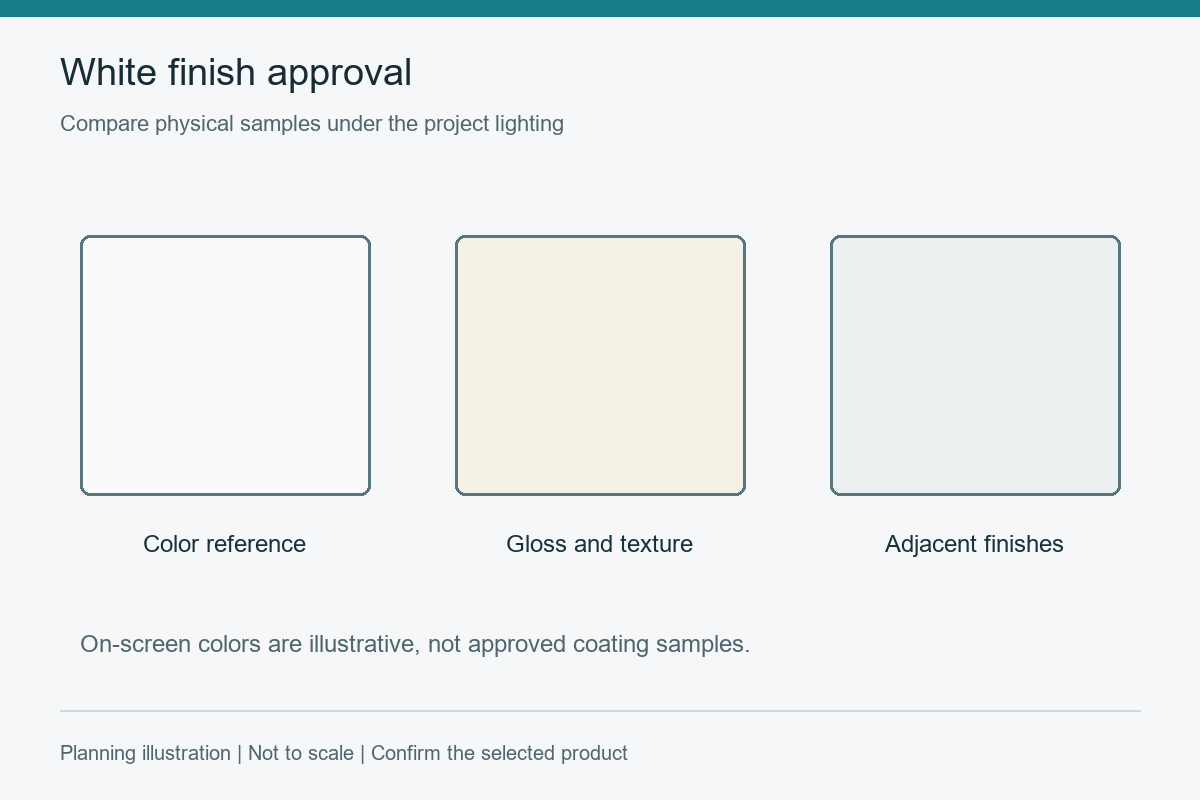
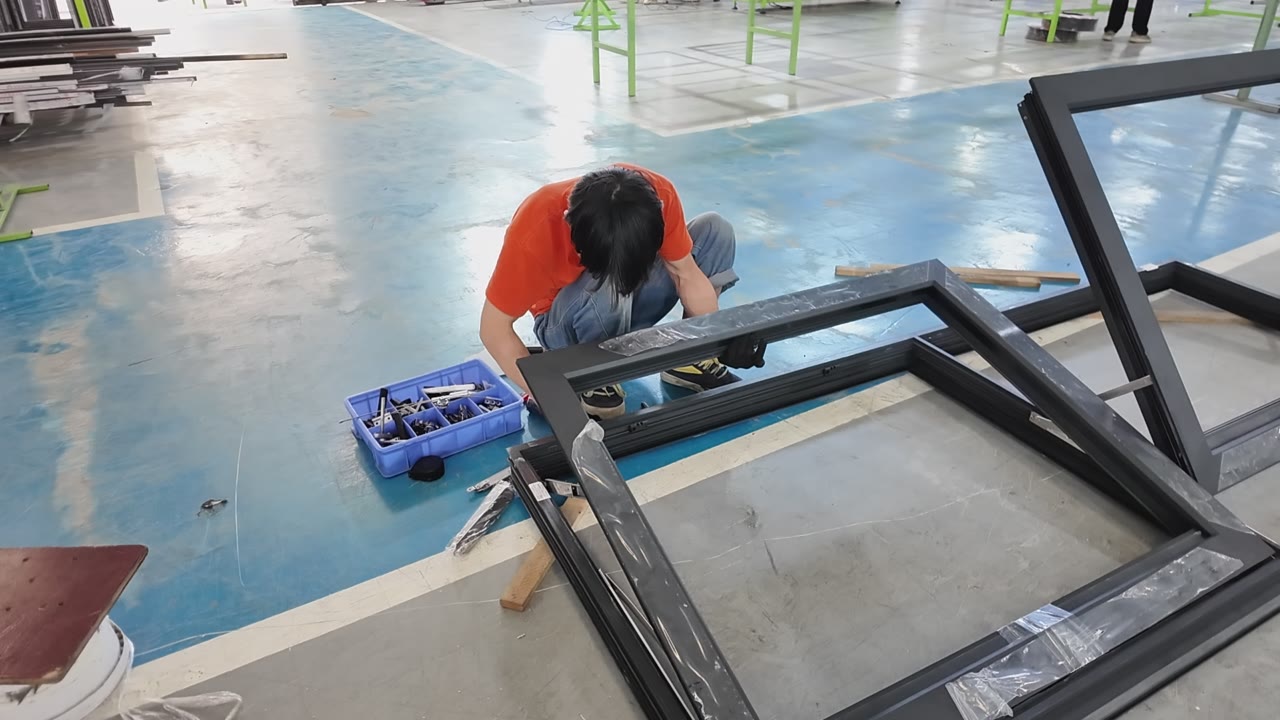
Specify color reference, sheen, exposed fasteners, protective film, packaging, delivery location, and who unloads the unit. Put lead time and warranty terms in the quote, including what is covered for glass, rollers, seals, finish, and labor. A dependable manufacturer also explains how to inspect the shipment and report damage.
The best custom door manufacturer makes the specification easy to understand. Clear information at the beginning protects your budget and gives the installer a unit that can be fitted without guesswork.