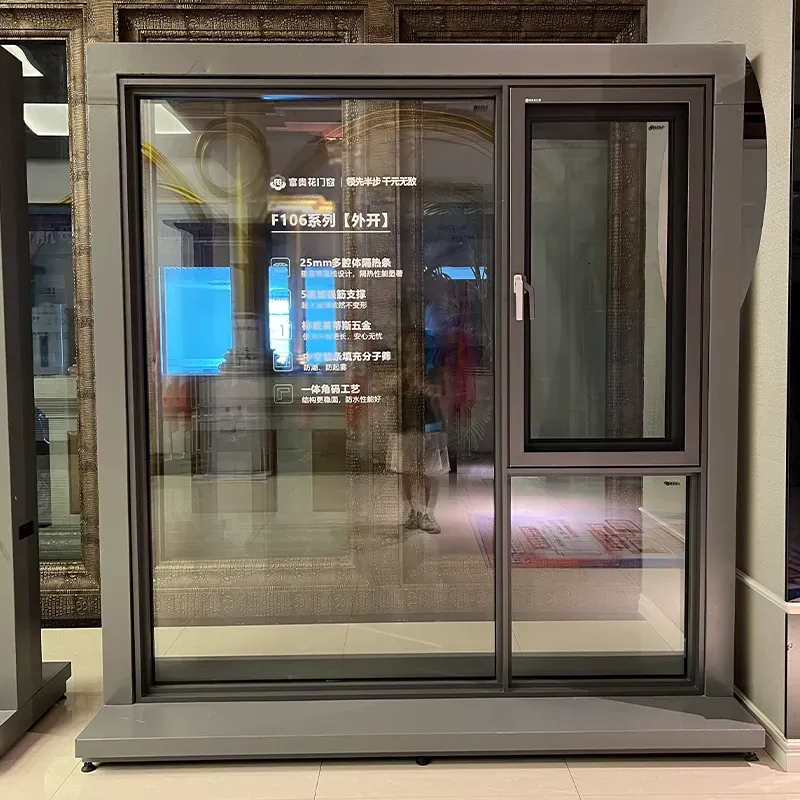
Aluminum windows manufacturers describe a complete opening system, not just an aluminum frame. Frame profiles, glass, gaskets, hardware, drainage, anchors and installation details must work together at the actual opening. For procurement teams and project managers auditing an aluminum window or door factory, this article will connect manufacturing evidence to the finished opening, from profile control through glazing, assembly and packing. It focuses on factory audit guide and turns that decision into measurable questions for quotation and submittal review.

aluminum windows manufacturers refers to an aluminum-framed opening or coordinated group of openings whose real specification is defined by operator type, dimensions, frame sections, glass, seals, hardware, finish, drainage, anchors and perimeter interfaces. The phrase is a starting point; the controlled opening schedule is the purchasing document.
The practical question is not whether an aluminum system looks suitable. It is whether the proposed configuration can meet the project’s use, exposure, safety, comfort, maintenance and delivery requirements. Here the focus is factory audit guide. That focus gives the reader a concrete decision to make.
| Decision field | What to document | Why it matters |
|---|---|---|
| Profile control | Alloy/temper declaration, section drawing and finish batch | Controls geometry and surface consistency |
| Machining | Cut length, drainage, milling and hole-position checks | Small errors accumulate at assembly |
| Assembly | Corner method, fasteners, seals and hardware settings | Determines alignment and repeatability |
| Glazing | Glass identity, setting blocks, gaskets and sealant | Protects edge clearance and load transfer |
| Final inspection | Operation, dimensions, appearance, labeling and packing | Creates traceable release evidence |
Put these fields into the RFQ rather than asking a bidder to “quote the same.” If an alternative is proposed, require the supplier to identify every changed field. This creates a visible comparison and prevents an apparently small substitution from changing panel mass, thermal behavior, drainage, hardware capacity or warranty scope.
This section narrows Aluminum Windows Manufacturers to decisions that can be approved and verified. For aluminum windows manufacturers, factory audit guide succeeds when the team can connect each priority to a controlled approval and then to evidence from the proposed configuration. The checks below connect each design priority to the evidence required before release.
| Priority for this guide | Approval question | Release evidence |
|---|---|---|
| Match hardware to mass, geometry and use | How will this priority support factory audit guide for the specified aluminum windows manufacturers configuration? | Record the approved drawing, sample, report or inspection evidence that prevents this failure: assuming a familiar hardware brand guarantees capacity for an unverified panel. |
| Use shop drawings to resolve interfaces | How will this priority support factory audit guide for the specified aluminum windows manufacturers configuration? | Record the approved drawing, sample, report or inspection evidence that prevents this failure: approving elevations while leaving sill, anchor and perimeter details unresolved. |
| Define inspection evidence before production | How will this priority support factory audit guide for the specified aluminum windows manufacturers configuration? | Record the approved drawing, sample, report or inspection evidence that prevents this failure: requesting inspection only after every unit has been fabricated and packed. |
| Compare quotations on a landed and equal scope | How will this priority support factory audit guide for the specified aluminum windows manufacturers configuration? | Record the approved drawing, sample, report or inspection evidence that prevents this failure: selecting the lowest unit price before reconciling glass, hardware, freight and site scope. |
For North American work, the 2026 edition of NAFS supersedes the 2022 edition. FGIA explains that a Performance Grade represents successful testing to design pressure plus the applicable water, air and other requirements—not design pressure alone. Its performance overview also notes a minimum water-resistance test pressure of 140 Pa (2.90 psf) for R-class products and structural test pressure at 150% of design pressure for windows and doors. These are North American references; the project specification and local code remain controlling.
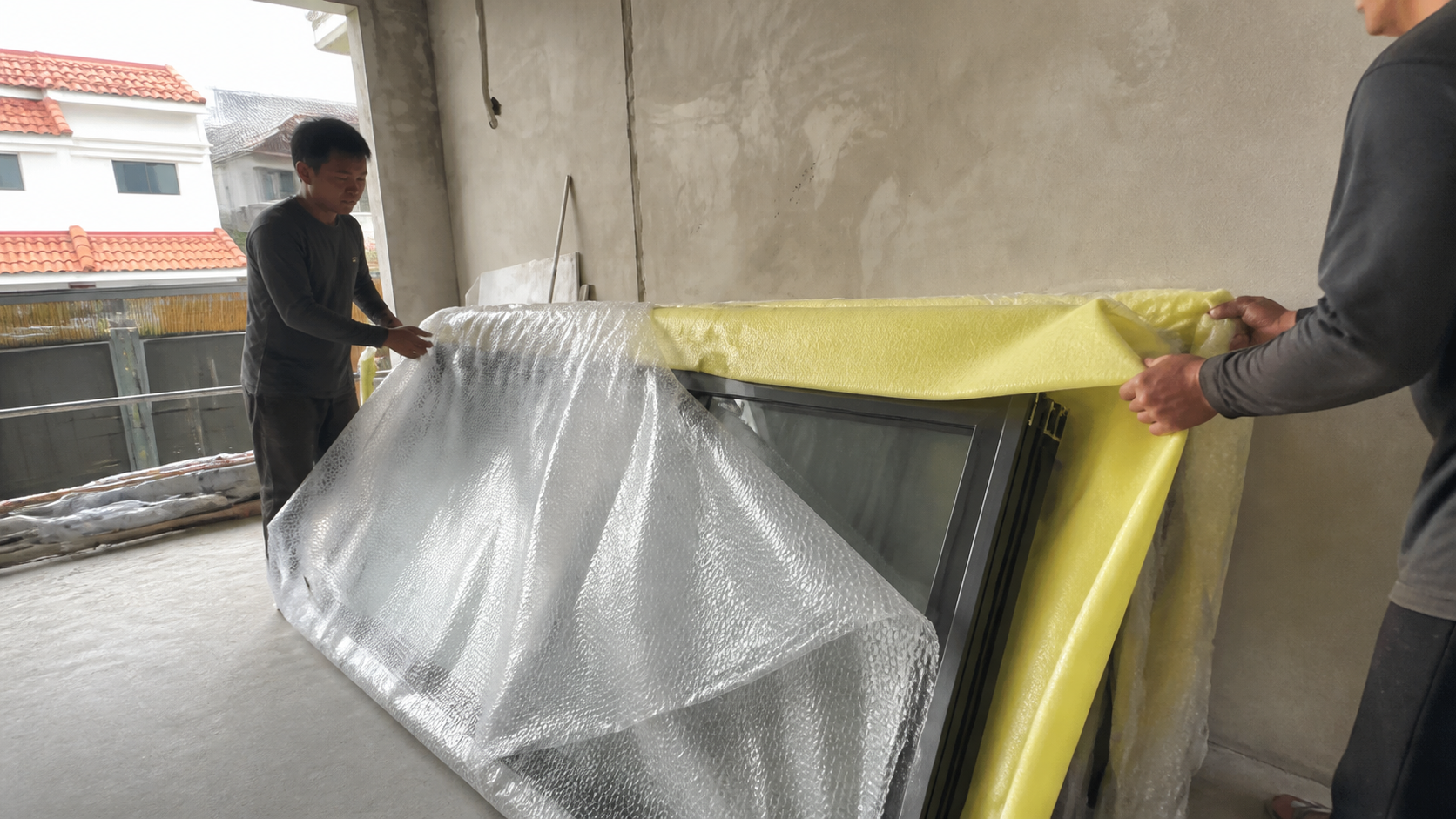
Hinges, stays, rollers, pivots, closers, locks and restrictors must suit the calculated sash or leaf mass, dimensions, opening frequency and environmental exposure. Ask for capacity data, adjustment range, fixing requirements, compatible materials and replaceable parts. A brand name without a model and duty is not a specification.
For aluminum windows manufacturers, record hardware in the same schedule as the glass and operator type. Review lock engagement, safe opening, handle reach and maintenance access. If factory audit guide changes glass thickness or panel size, re-check hardware and reinforcement before machining.
Shop drawings should include plans, elevations, sections, operator and handing, profile references, glass, hardware, finish, anchors, drainage, waterproofing interfaces and closure pieces. Details need dimensions and material identities; a rendered elevation alone is not fabrication information.
For aluminum windows manufacturers, review factory audit guide across typical and exceptional openings. Corners, coupled frames, low sills, large spans and transitions to cladding or interior finishes often need separate details. Mark approved deviations and close comments before material release so production does not choose between conflicting notes.
An inspection plan can include incoming material identity, critical dimensions, drainage machining, corner assembly, glass and hardware identity, operation, appearance, labels and packing. Set the sample size or hold point, acceptance method, record format and authority to release or reject work.
For aluminum windows manufacturers, inspect the first completed unit against drawings and samples before repeating the same condition. factory audit guide may justify additional checks at mock-up, pre-shipment or installation stages. Photograph evidence with opening marks so a close-up can be linked to the correct unit.
Separate product, installation, freight, insurance, duties, tax, unloading, storage, access equipment, protection and testing. State currency, Incoterm, validity, payment milestones and excluded work. A unit rate has little meaning if one bidder includes glass and hardware while another prices frames only.
For aluminum windows manufacturers, issue one clarification register and return answers to every shortlisted bidder. Evaluate factory audit guide with the technical schedule, not beside it. Commercial savings that remove inspection, protective packing or interface responsibility should be visible as risk transfers.
Serviceable systems provide access to rollers, locks, hinges, restrictors, gaskets, drainage paths and replaceable glass. The handover manual should identify cleaning products, lubrication restrictions, inspection intervals, adjustment procedures and spare-part references without making unsupported universal life claims.
For aluminum windows manufacturers, ask how factory audit guide affects access after interior and exterior finishes are complete. A concealed fastener may look clean but create costly replacement work. Record serial, model or drawing references for components that are likely to need adjustment over the building’s use.
A credible report names the standard and edition, laboratory, client, product, operator type, specimen dimensions, frame and glass description, hardware, test sequence, results, date and report identity. Compare these fields with the offered unit and record any engineering justification for differences.
For aluminum windows manufacturers, factory audit guide should be supported by the type of evidence that actually answers it: thermal ratings for energy, air/water/structural tests for envelope behavior, safety documentation for glass, and inspection records for execution. One certificate rarely proves every claim.
Each approval should name the document, revision, date and responsible party. For this aluminum windows manufacturers guide, the workflow is deliberately tied to factory audit guide; a later change should reopen every connected field instead of being approved in isolation.
Claims such as “best,” “high quality,” “commercial grade” or “energy efficient” are only useful for Aluminum Windows Manufacturers when they point to something verifiable: a configuration, measurement, standard, sample, record or acceptance method.
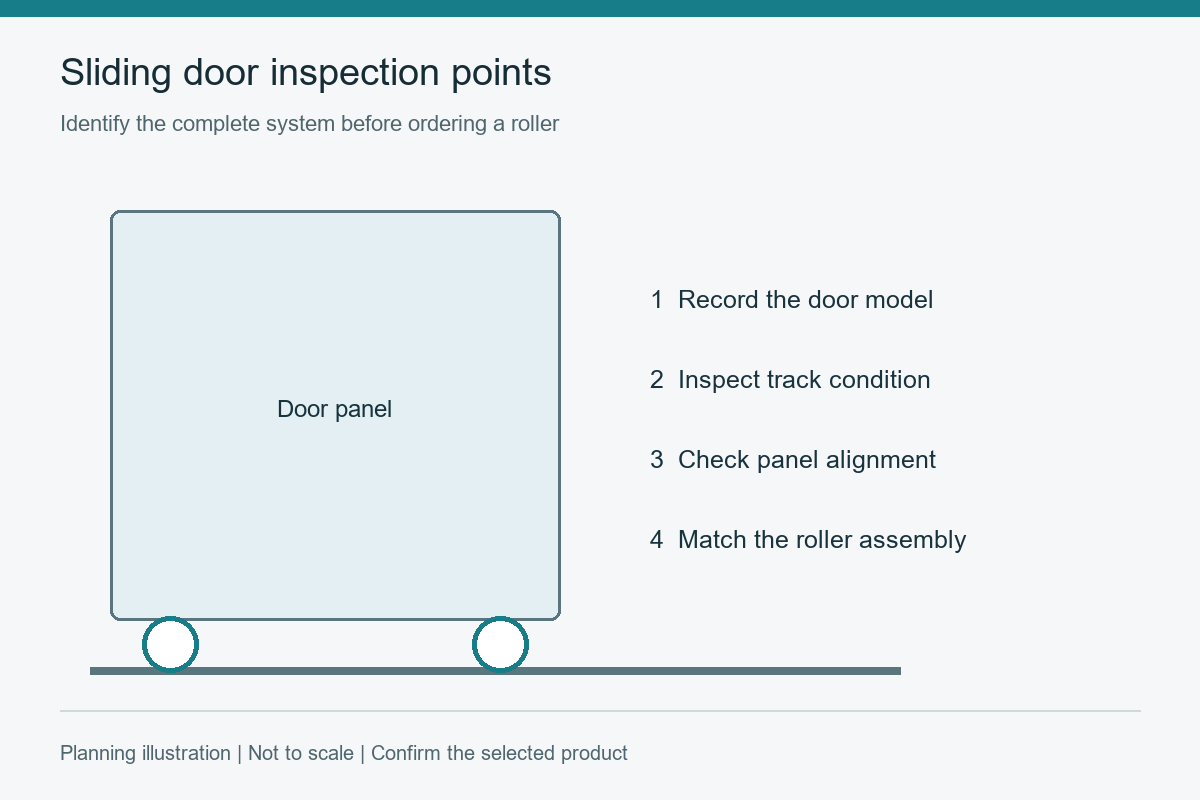
Review ForgeWin’s installation service overview, window perimeter sealing example, sliding door track and installation example. Use those first-party examples to ask how factory audit guide is documented, how openings are identified and which records accompany inspection or handover. Project media shows context; it does not replace configuration-specific reports.
For a project-specific review, send the opening schedule, drawings, location, exposure, glass requirements, finish reference, target dates and installation scope through the ForgeWin contact page. Ask for assumptions and exclusions to be returned in writing so the quotation can be compared on an equal basis.
Follow one opening from approved drawing to profile identification, cutting, machining, frame assembly, glazing, hardware adjustment, final inspection and packing. The audit should connect records to the finished unit instead of reviewing machinery in isolation. Ask how nonconforming parts are identified, corrected and prevented from re-entering production.
No. Factory photos can show equipment, organization and process stages, but performance claims need traceable reports for a defined product, size and configuration. Use photos as supporting context, then verify the named standard, laboratory, report number, tested specimen, date and relationship to the proposed system.
Use an opening mark that matches the approved schedule, drawing and packing list. The label should remain readable through inspection and delivery. Large projects benefit from elevation, floor, room or zone references so installers can place units without repeatedly opening protected packages or guessing from dimensions.
aluminum windows manufacturers becomes a useful specification only when the search term is converted into an opening-by-opening scope. Start with factory audit guide, then coordinate the frame, glass, hardware, finish, drainage, anchors and installation evidence. A controlled RFQ and approval trail will usually reduce more risk than adding unverified features late in the process.
Evidence note: This Aluminum Windows Manufacturers guide uses cited industry sources and ForgeWin project media. Ratings and examples are not universal product claims; verify local code, engineering, test reports, the supplied configuration and contract requirements for the project.