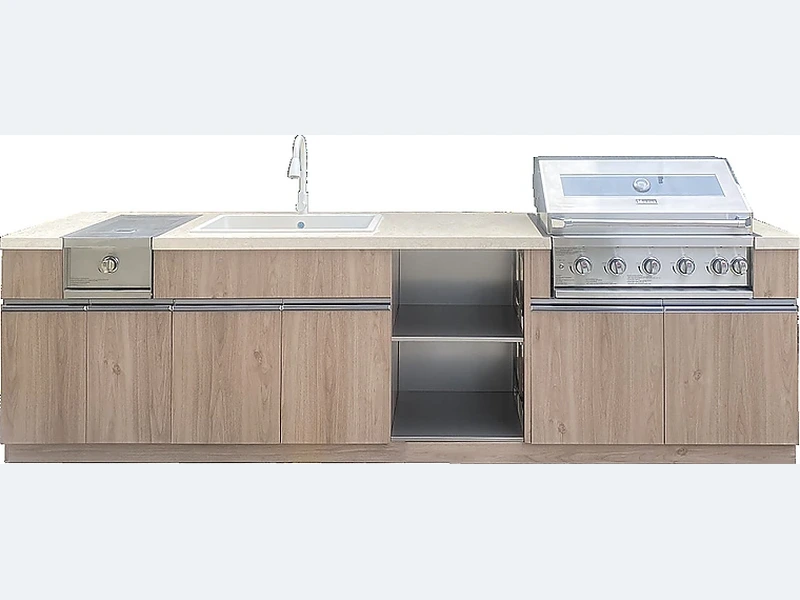
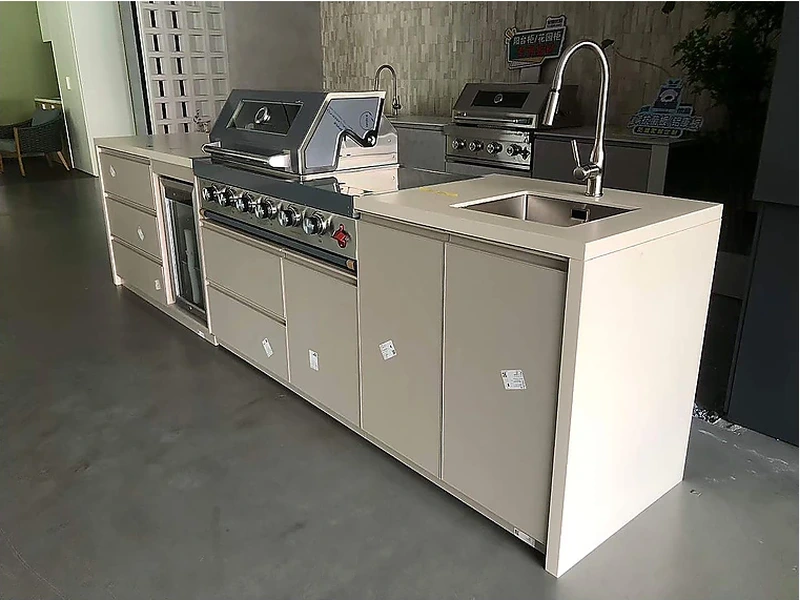
An outdoor dishwasher is possible only with a model approved for the location and a complete plan for hot water, drainage, electrical protection, ventilation and freeze protection. In many homes it adds considerable complexity for limited use. Compare that cost and maintenance with a well-placed sink and carrying dishes inside before reserving a full cabinet bay.
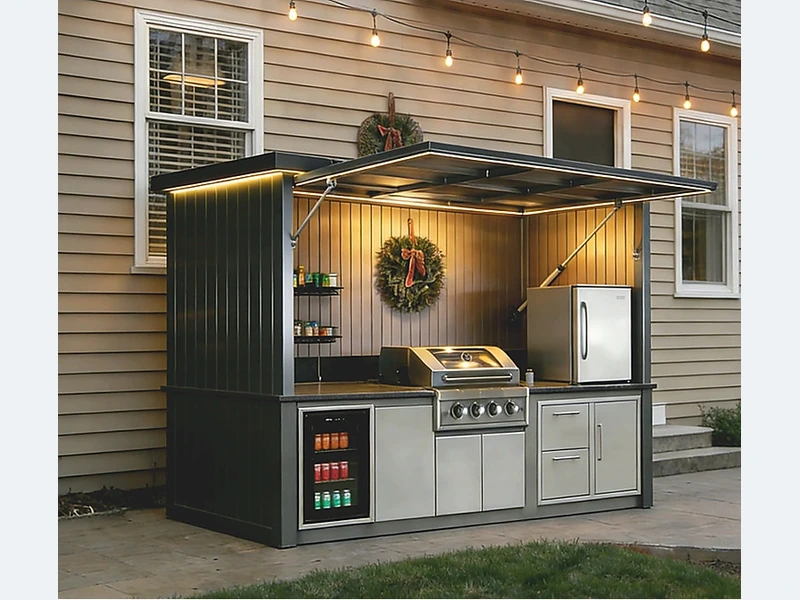
Begin with the constraint that cannot move, then design the cabinets around it. Outdoor approval, ambient temperature, fuel or voltage and local warranty support belong on the appliance schedule. The cabinetry then provides support and access without changing the tested installation. Late substitutions must be checked as new products, not assumed equivalent.
For a durable result, for “Can I install a dishwasher outdoors?”, use one revision-controlled plan for quotation, approval and installation. Note exposure, open appliance doors, service access and unresolved approvals on that sheet so later substitutions can be checked against the same baseline. It also leaves a record that the installer can check instead of reconstructing decisions on site.
| Decision | What to examine | What to record |
|---|---|---|
| Approval | Outdoor use and destination requirements | Data plate and technical sheet |
| Opening | Cut-out, support and insulation jacket | Manufacturer drawing |
| Airflow | Combustion or condenser ventilation | Unblocked free-air path |
| Service | Isolation, cleaning and removal | Accessible panels and connections |
Use this list before accepting a design, price or product recommendation:
Evidence boundary: This is planning guidance, not a replacement for the selected appliance manual, a finished site measurement or local approval. Confirm clearances, environmental ratings and regulated trade work for the exact project.
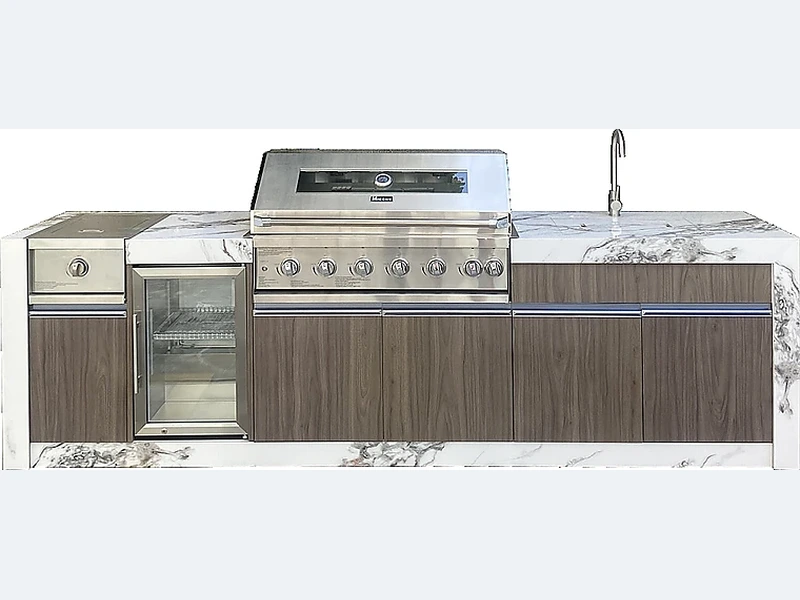
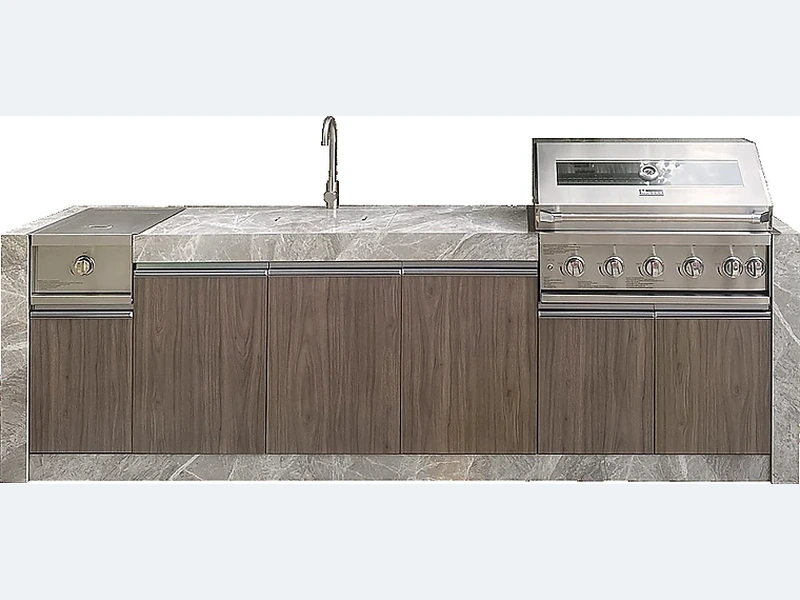
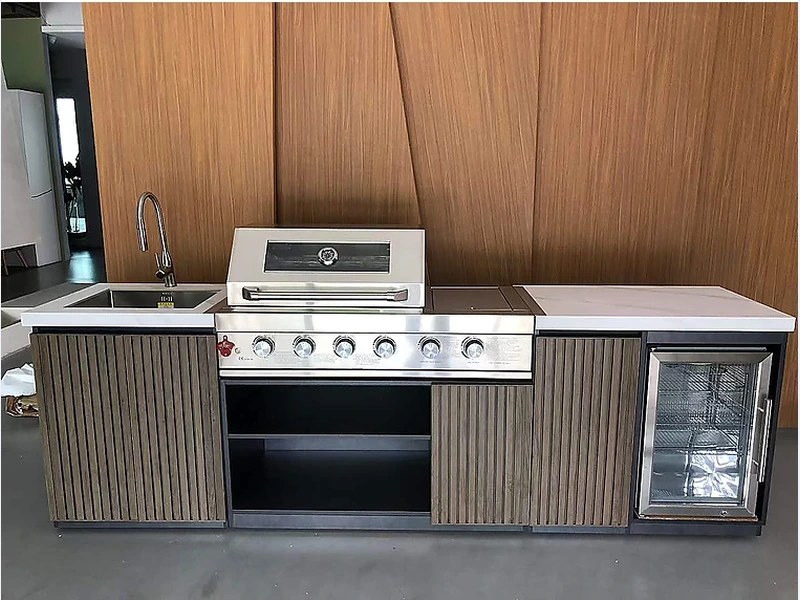
For a visual and dimensional reference, compare the straight outdoor kitchen design collection together with the broader ForgeWin outdoor-kitchen range. Treat both as configuration references, then submit the measured site, appliance schedule, finish direction and delivery location for a project review.
Before production, reconcile the cabinet drawing with the appliance manuals and the local rough-in plan. The supplier, installer and trades should be working from compatible revisions rather than three separate sketches.
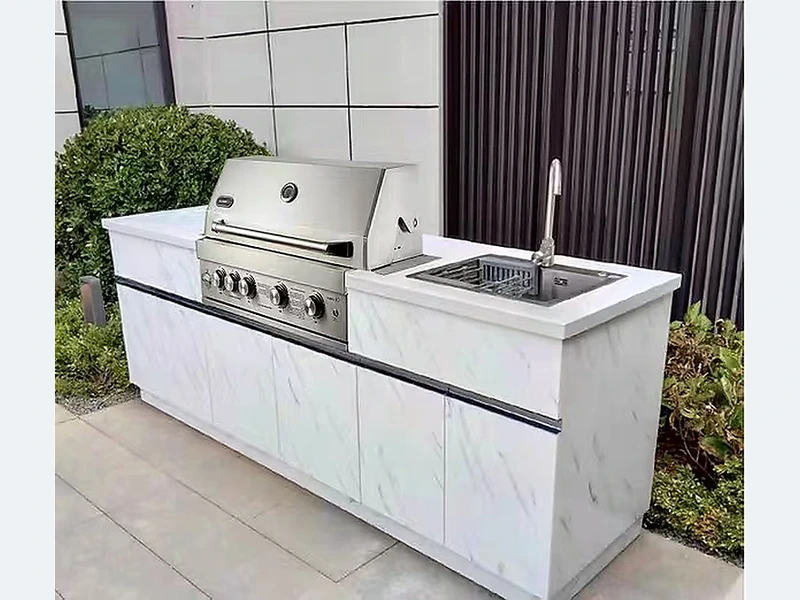
Outdoor appliances need an environmental rating and installation approval appropriate to the exposure; “waterproof” is usually the wrong test. Check whether the model is listed for outdoor use, its allowed level of shelter, ambient-temperature range, electrical protection and ventilation. Covers and roofs help, but they do not convert an indoor refrigerator, dishwasher or electrical appliance into an outdoor-rated product.
Most outdoor kitchens need fewer appliances than people first imagine. Start with a properly sized grill, useful worktop and protected storage. Add an outdoor-rated refrigerator when cold drinks or food storage would otherwise cause repeated trips inside, and add a sink only when water and drainage are practical. Specialist appliances should earn their space through regular use, not catalogue appeal.
An ice maker can be added if the model is approved for outdoor use and the kitchen provides potable water, drainage, protected power, ventilation and winterisation where required. Ice equipment needs regular cleaning and should not sit beside strong grill heat. Confirm filter access and the route for drain water before the cabinets are manufactured; these details are harder to improvise after installation.
For “Can I install a dishwasher outdoors?”, the safest next step is to replace assumptions with project inputs. Finished measurements, appliance data and a responsibility list make the recommendation buildable and the quotation comparable. Send ForgeWin the dimensions, photos and model numbers so unresolved items can be marked before production.
2026-09-12
2026-09-20
2026-09-28
2026-10-06