Custom aluminum windows are most useful when they solve a specific opening, layout or appearance constraint. Identify that constraint before requesting a new size or shape. Ask the supplier to show how the proposed configuration will be manufactured, operated, installed and maintained.
Unusual openings, slim sightlines, curved geometry, special colors or integrated screens may justify customization. Keep standard components where they reduce risk.
Review sections, corners, drainage, hardware fixing and glazing before mass production. A mock-up can reveal stiffness, operation and finish issues that renderings hide.
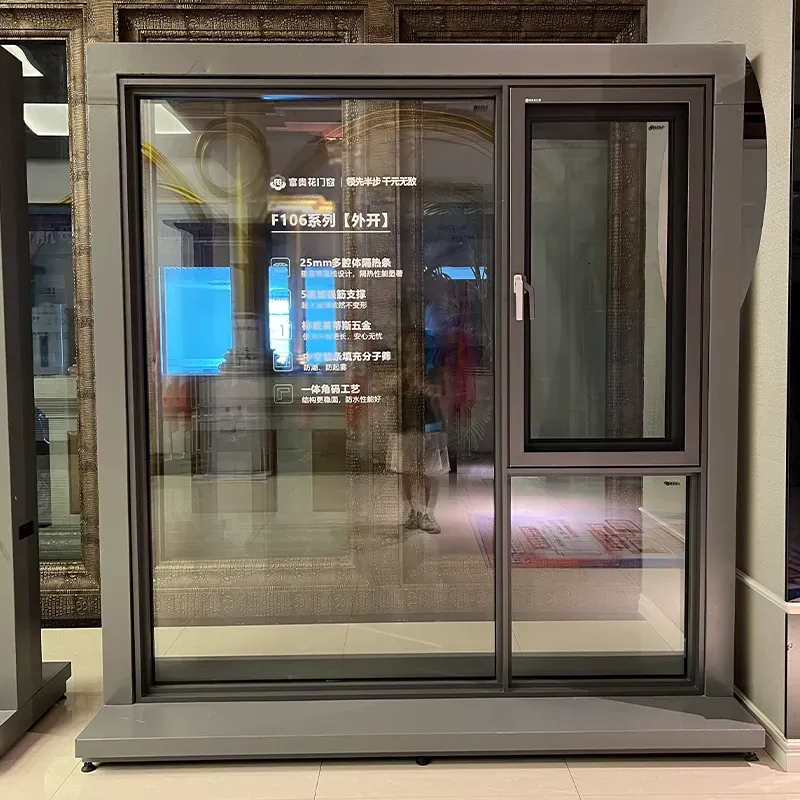
A related layout to review is F106 Series All-in-One Outward Casement Window with Insect Screen. Use the product page to discuss the proposed dimensions and configuration.
Record dimensions, glass, hardware and finish under revision control. Custom parts may not be reusable after late changes, so use a formal variation process.
For an unusually wide opening, sketch the desired sightlines and mark which sections must move. Review alternative panel divisions before committing to one large sash. Ask for the relevant system limits and a detail of the difficult junction. A prototype or focused sample review can answer questions that a decorative rendering leaves open.
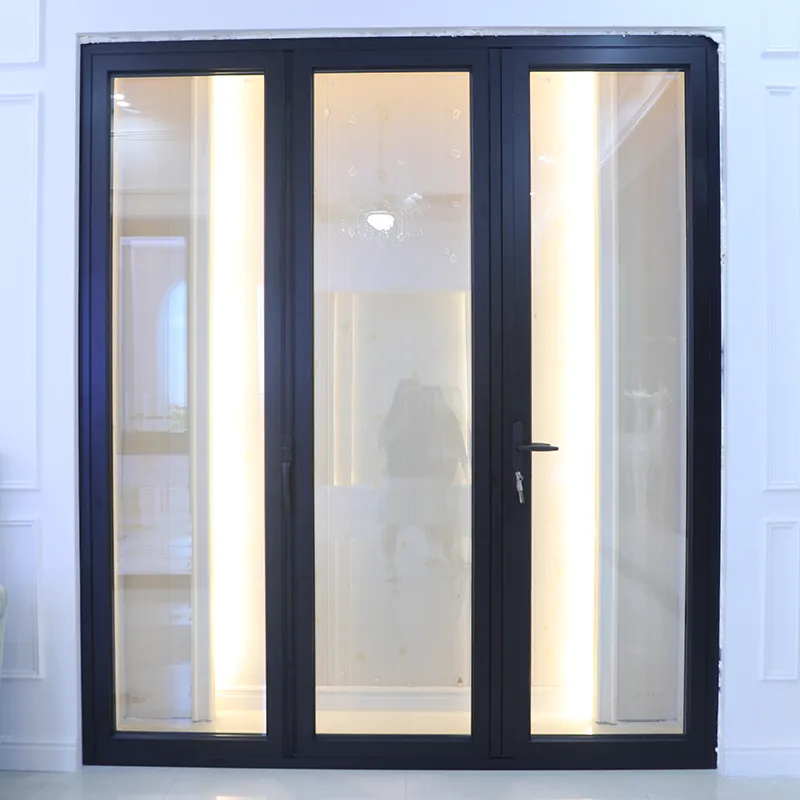
A related layout to review is 68 Series Folding Door. Use the product page to discuss the proposed dimensions and configuration.
No. A change in dimensions can affect the frame, glazing, hardware and supporting evidence. Have the supplier review the proposed configuration and obtain the necessary project approval before manufacture.
Use the checks above to mark the unresolved items on your drawing or quotation. Send that marked-up version with the selected product reference so the next discussion can focus on the actual configuration.