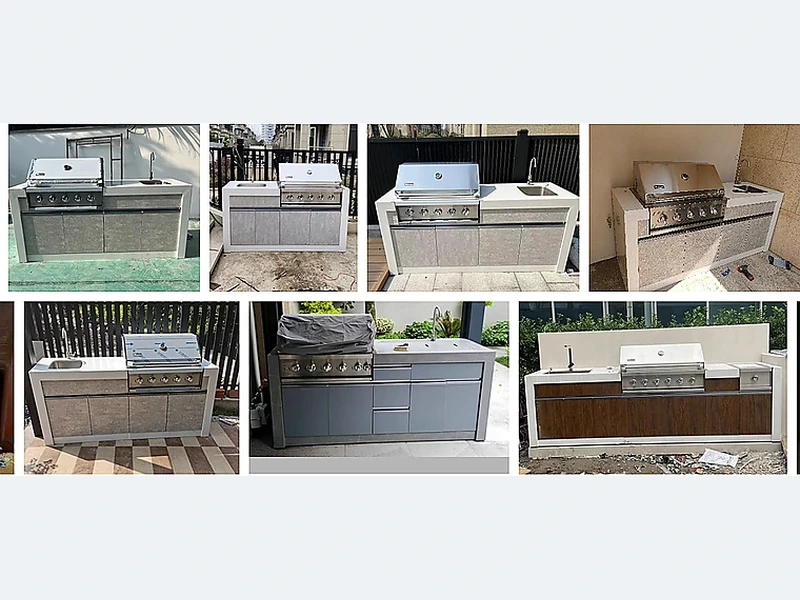
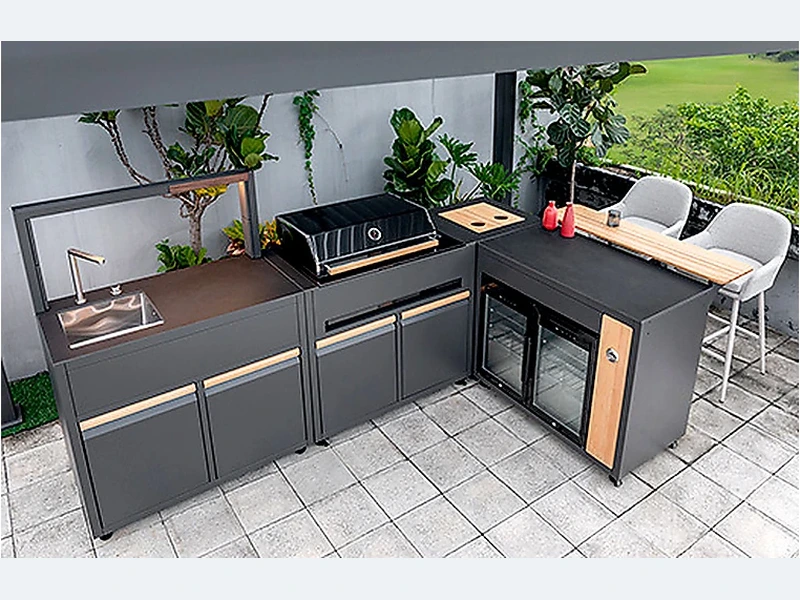
An outdoor refrigerator is optional. It is valuable when entertaining is frequent, the indoor kitchen is far away or drinks and ingredients need to stay close to the cooking area. If those conditions do not apply, use the space for storage or worktop. When specified, choose a unit listed for outdoor use and provide the ventilation, ambient-temperature range and protected power stated by its manufacturer.
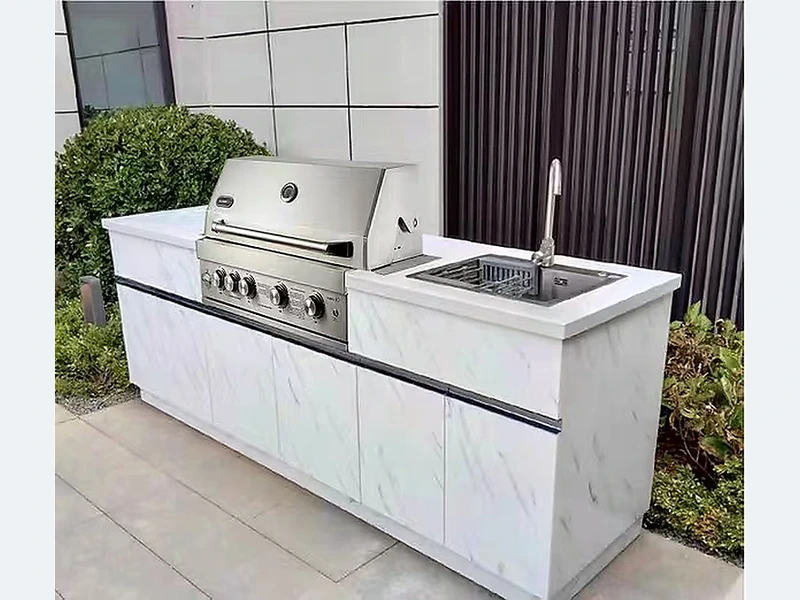
The decision becomes clearer once the kitchen is treated as a small building-services project, not a single cabinet purchase. Outdoor approval, ambient temperature, fuel or voltage and local warranty support belong on the appliance schedule. The cabinetry then provides support and access without changing the tested installation. Late substitutions must be checked as new products, not assumed equivalent.
On a real project, for “Do I need an outdoor fridge?”, ask who will verify each input before production. The supplier can coordinate modules and openings, while local trades confirm structure and controlled services. The answer should appear in the project record, not be left to the installation day. It also leaves a record that the installer can check instead of reconstructing decisions on site.
| Decision | What to examine | What to record |
|---|---|---|
| Approval | Outdoor use and destination requirements | Data plate and technical sheet |
| Opening | Cut-out, support and insulation jacket | Manufacturer drawing |
| Airflow | Combustion or condenser ventilation | Unblocked free-air path |
| Service | Isolation, cleaning and removal | Accessible panels and connections |
Use this list before accepting a design, price or product recommendation:
Evidence boundary: Use these checks to prepare the brief, then verify the final drawing against model-specific manuals and local requirements. No general article can approve a service connection or safety clearance for an unseen site.
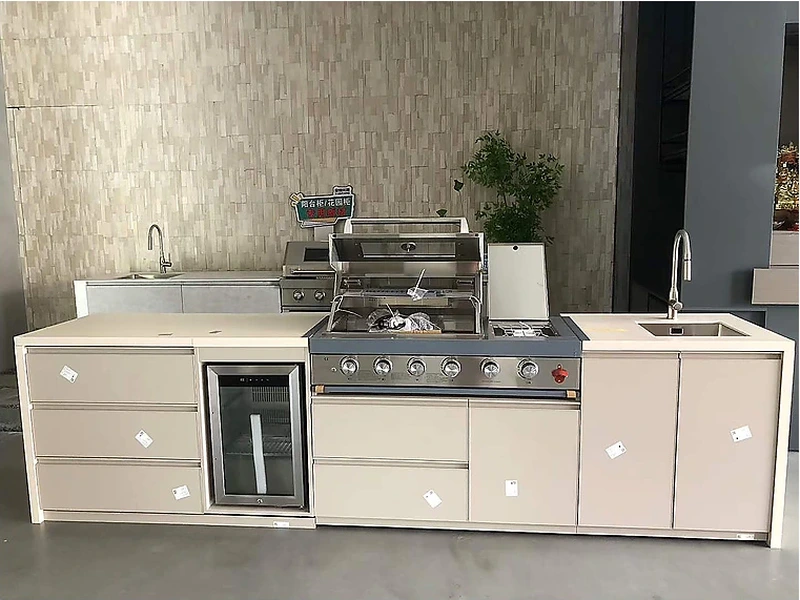
One useful configuration reference is the linear outdoor kitchen with grill and refrigerator together with the broader ForgeWin outdoor-kitchen range. Treat both as configuration references, then submit the measured site, appliance schedule, finish direction and delivery location for a project review.
Use the ForgeWin proposal to coordinate modules and cut-outs, then return site and trade comments on the same drawing. This two-way check is especially important where worktops, fuel, drainage or existing construction fix the available dimensions.
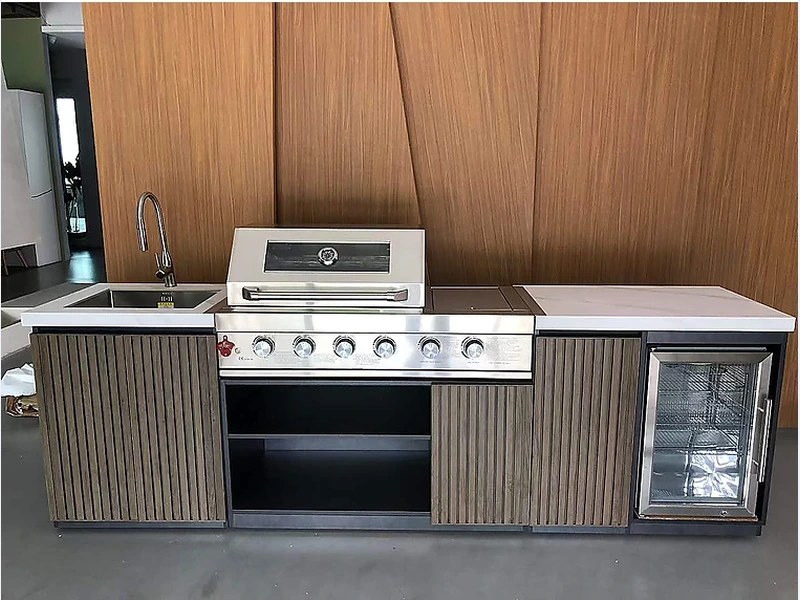
Do not place a normal indoor refrigerator outdoors unless its manufacturer expressly approves that installation. Indoor units may not be designed for rain, humidity, temperature swings or protected outdoor electrical conditions, and their warranty may not apply. Use an outdoor-rated model with the correct built-in ventilation. Even an outdoor refrigerator performs poorly if it sits beside grill heat or in blocked airflow.
An existing BBQ can be incorporated only when its exact model is approved for built-in installation or can remain genuinely freestanding without the cabinets blocking clearance, vents or service access. Many cart-style grills are not intended to be boxed in. Check the manufacturer’s manual and data plate first; then design the opening, non-combustible surround and landing space around those requirements.
Most outdoor kitchens need fewer appliances than people first imagine. Start with a properly sized grill, useful worktop and protected storage. Add an outdoor-rated refrigerator when cold drinks or food storage would otherwise cause repeated trips inside, and add a sink only when water and drainage are practical. Specialist appliances should earn their space through regular use, not catalogue appeal.
For “Do I need an outdoor fridge?”, a dependable answer ends in a checkable drawing and specification, not a broad promise. Confirm the site, exposure, appliances and scope; then compare materials, modules and cost on the same basis. Send ForgeWin the dimensions, photos and model numbers so unresolved items can be marked before production.
2026-09-09
2026-09-17
2026-10-11