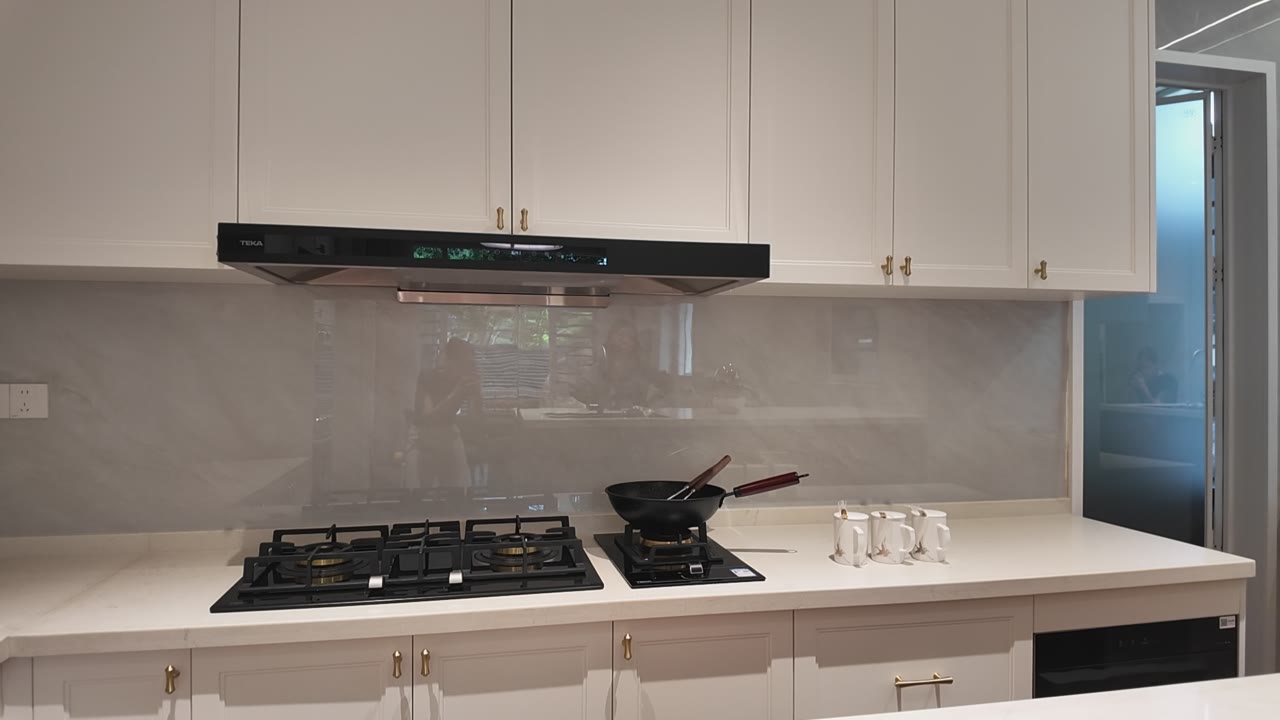
Short answer: A natural stone supplier should help you compare stone type, slab variation, finish, thickness, cut-outs, edge details, sealing, packing, lifting and installation risk. A sample and approved slab layout are more reliable than a catalogue name alone.
The most useful comparison is specific enough to check on a drawing, sample or quotation. This article addresses dolomite for a Singapore project and separates general guidance from decisions that require a measured site and approved drawings.
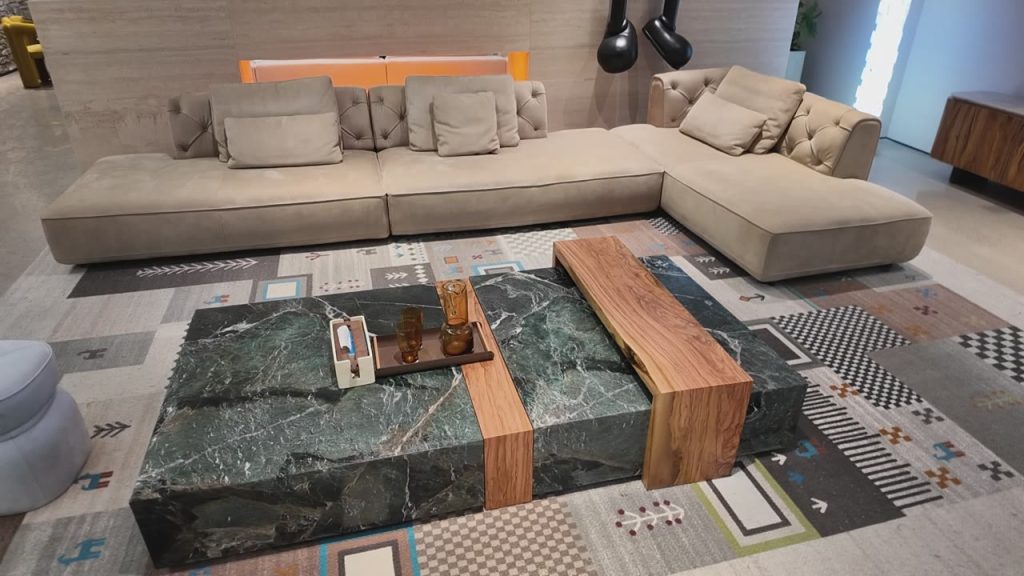
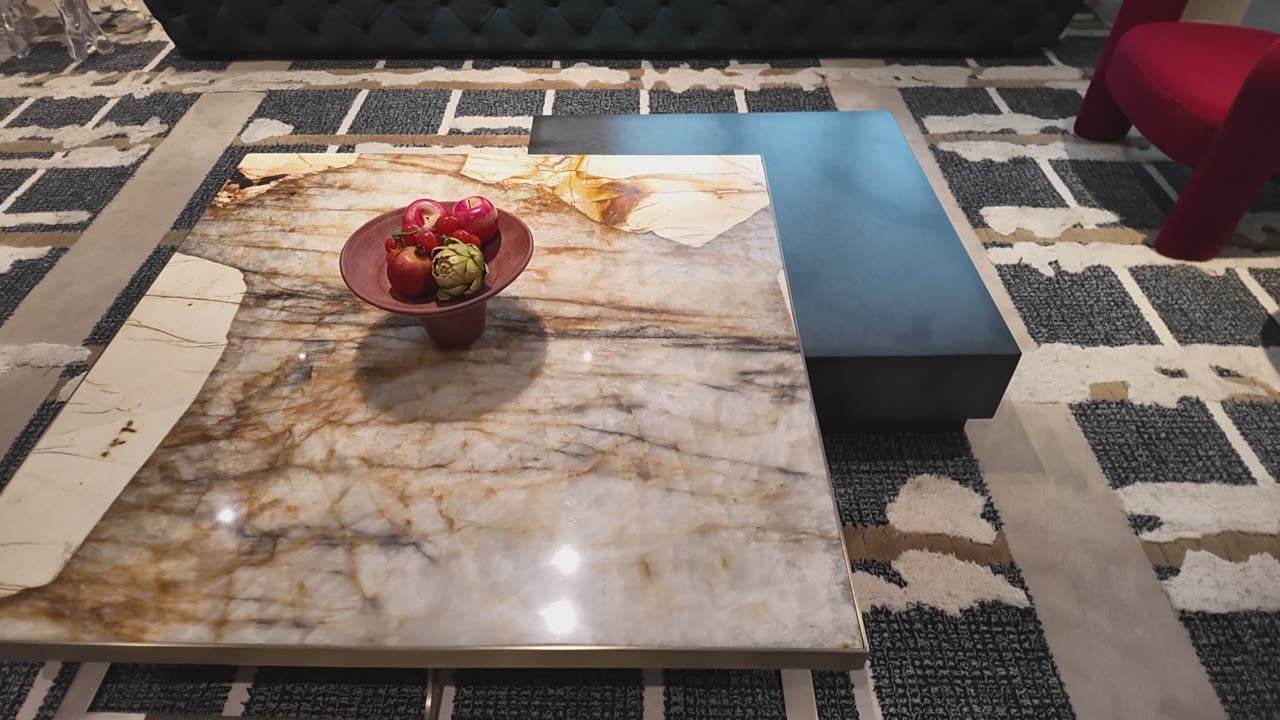
Marble, granite, quartzite, limestone, travertine, dolomite and onyx have different patterns, porosity, hardness and care requirements. Record the selected slab, finish, acceptable variation and vein direction before cutting.
Measure the finished support and confirm sink, hob, tap, backsplash, joints, overhang, edge profile and access route. Large slabs may require a lifting plan and protected storage.
State sealing, cleaning products, heat and stain expectations, repair limits and who protects the surface after installation. Keep photos of the approved slab and final layout.
Natural Stone Institute BCA. These sources are useful starting points, but current requirements depend on the property, product and scope. Ask the appointed professional or building manager to confirm what applies before ordering.
Usually not. Photos help with an initial review, but measurements, services, access, materials, hardware and installation responsibilities are needed for a dependable decision.
Compare the same dimensions, quantities, specification, finish, hardware, delivery and installation scope. Ask each supplier to state exclusions and the process for changes or defects.
Send the drawings, photos, site location, preferred finish and target date through the ForgeWin contact page for a project-specific review.
Reference note: Natural Stone Institute BCA. Confirm current project requirements before fabrication or installation.

2026-09-05
2026-09-09
2026-09-09
2026-09-05
2026-09-09