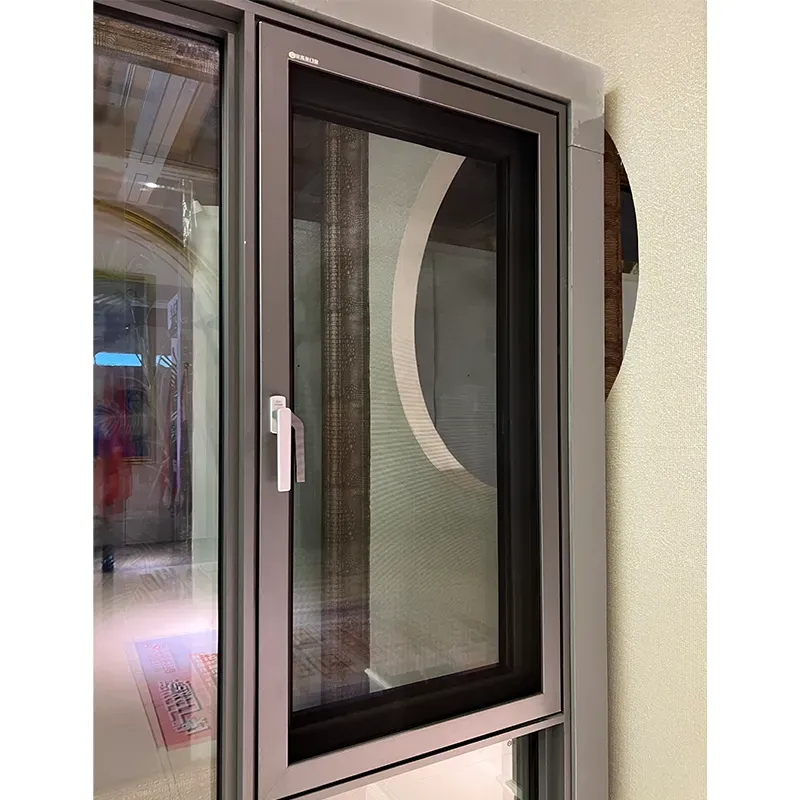
Short answer: An interior folding door works when the open and closed positions both fit the room. Plan the passage width, panel stack, floor transition, head track, privacy level and nearby furniture before choosing the finish or panel style.
Draw the opening with the door closed, then draw every panel in its parked position. Mark the handle swing, the space needed to walk past the stack and the furniture that may sit beside the opening. This simple plan often rules out an otherwise attractive layout.
Measure the finished opening after the floor, skirting, architrave and ceiling details are known. A small change in floor height can affect the bottom guide, clearances and the way the panels align. For a renovation, inspect the wall and ceiling structure before the track is ordered.
Sound reduction, privacy and visual separation are different goals. Ask the supplier to describe which details affect each one instead of treating a decorative panel as a complete acoustic solution.
A good shop drawing shows the closed elevation and a plan view of the folded stack. It should also identify which dimensions are measured on site and which are assumed for budgeting.
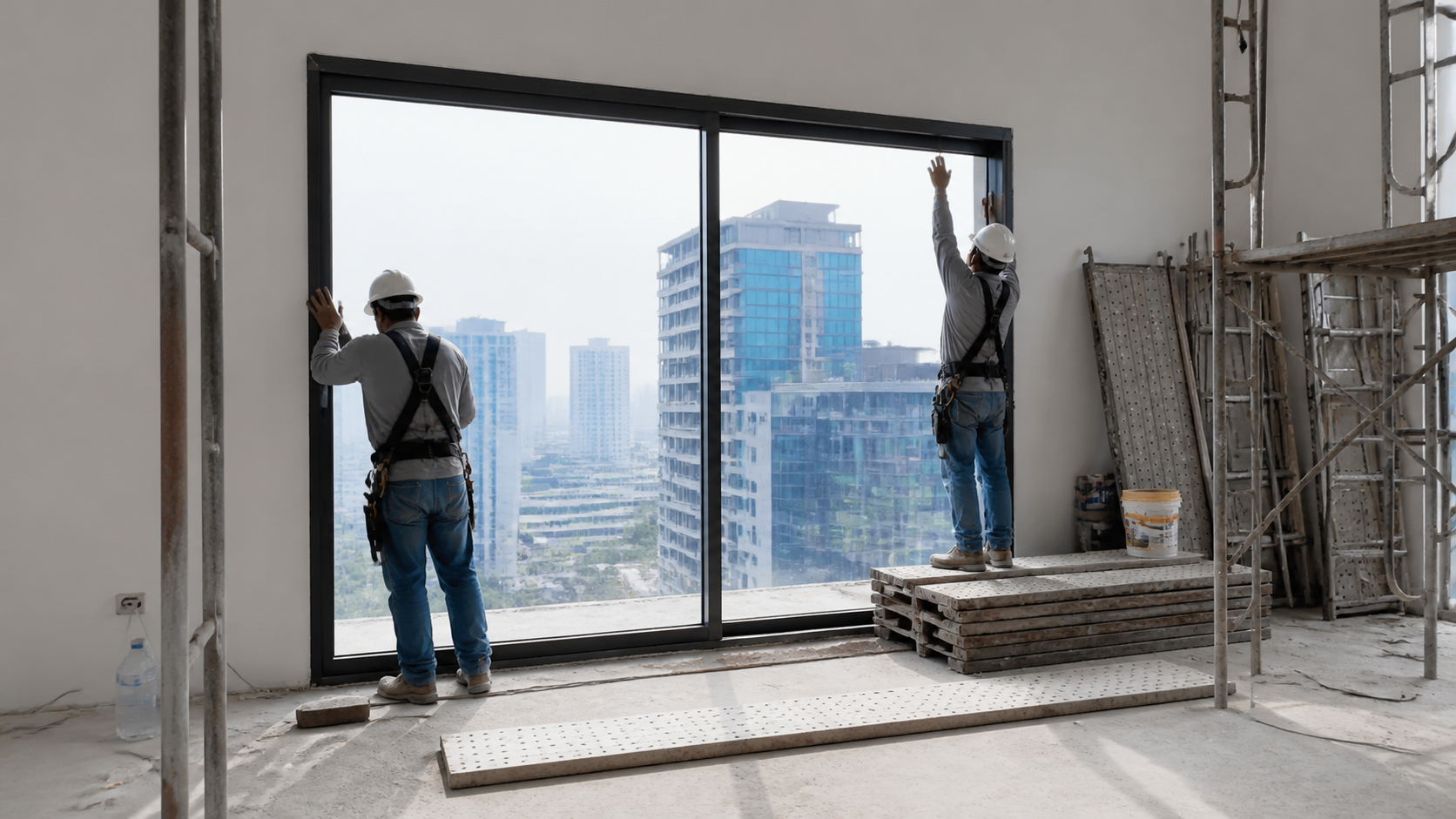
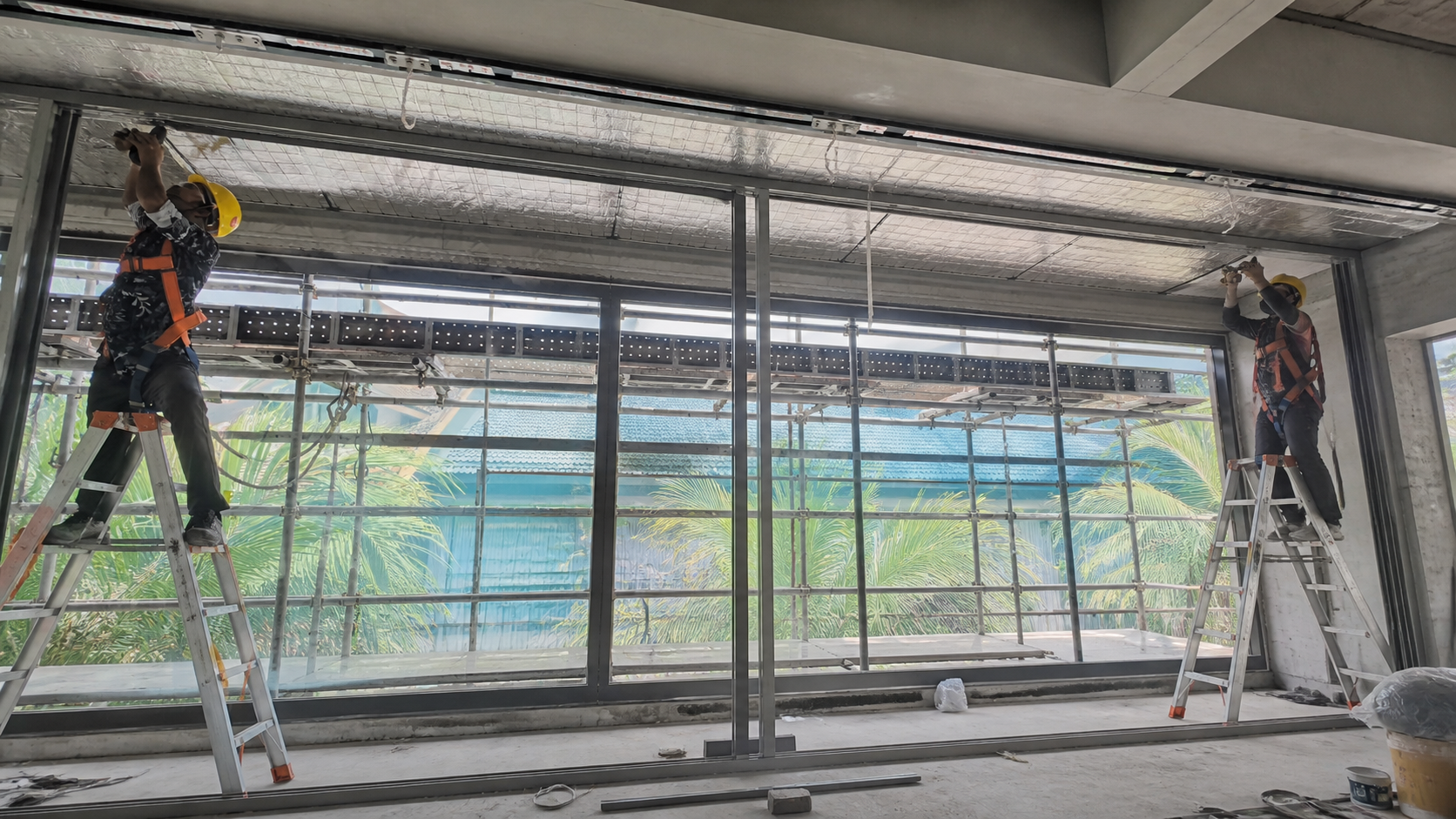
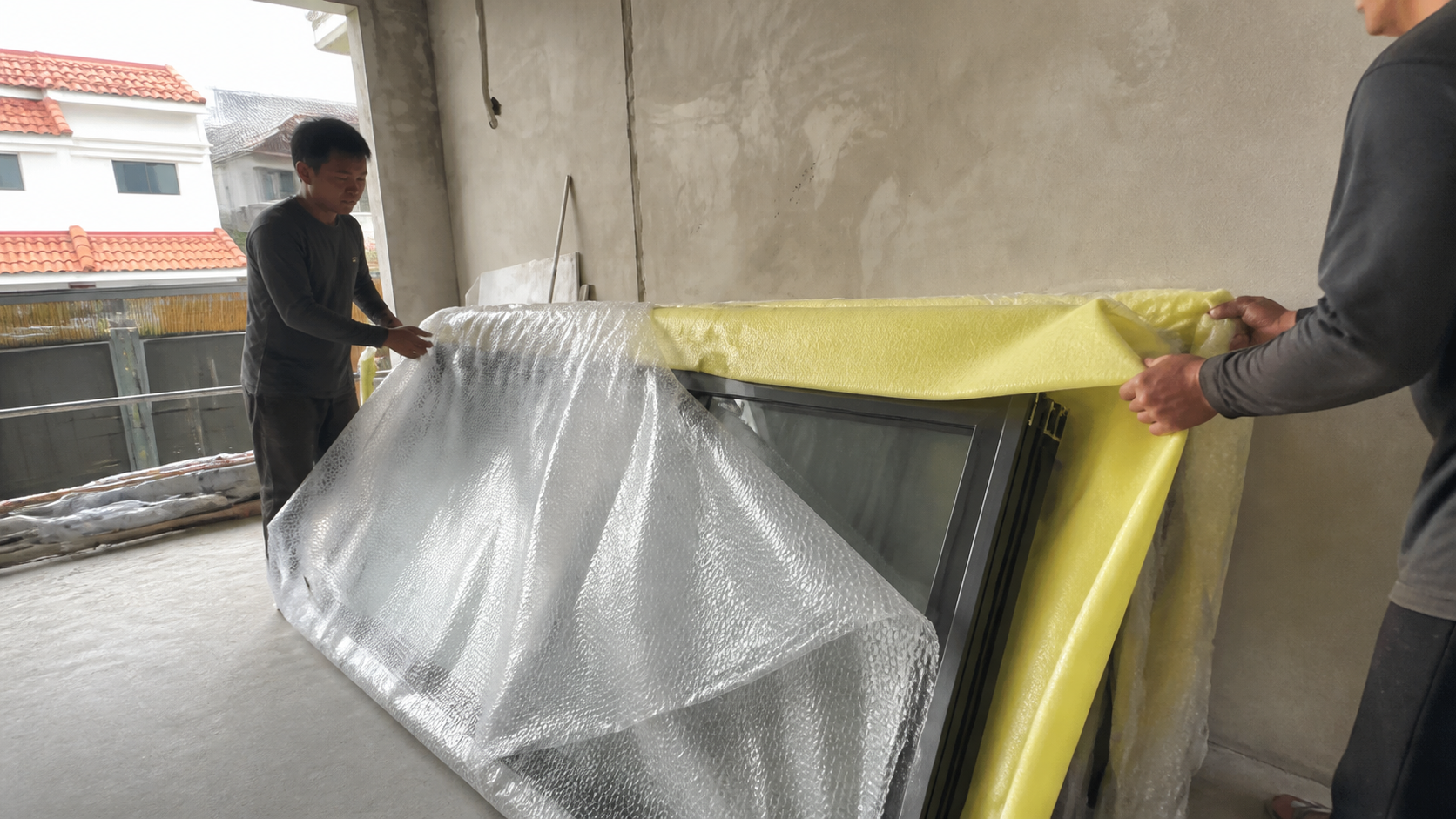
Protect the finished floor before the panels arrive. Check the track and frame before hanging the door, then adjust the panels in their normal sequence rather than forcing a single leaf into alignment. At handover, operate the door several times, inspect the floor guide and record any rubbing, uneven gaps or loose hardware.
Keep the track free from grit and use only the cleaner recommended for the finish. If the room is humid, ask how the panel edges, hinges and bottom guide should be maintained. A simple care sheet prevents the most common complaints from being treated as manufacturing defects.
Not always. The correct guide depends on the panel weight, track system, floor condition and the movement required. The manufacturer should show the detail for the chosen system.
It can help separate a room, but sound performance depends on gaps, panel construction, seals, adjacent walls and the way the frame is installed. Request a configuration-specific explanation.
Common causes include an out-of-square opening, movement in the substrate, track alignment or hardware adjustment. Check the opening and installation detail before replacing panels.
Interior folding doors are easiest to live with when their movement, floor detail and maintenance access are decided before the finish is selected.
2026-09-28
2026-10-06