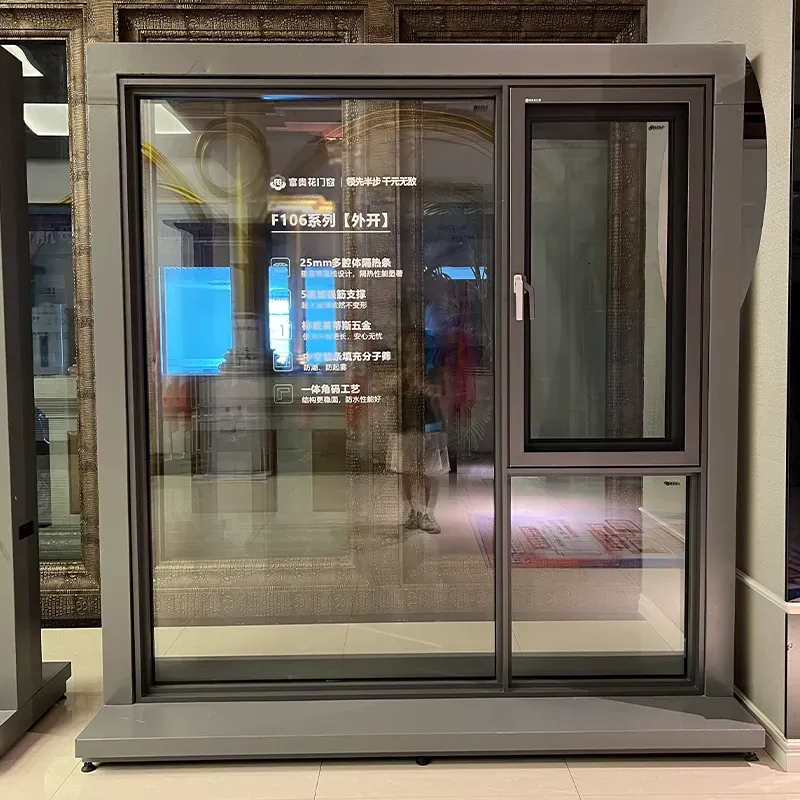
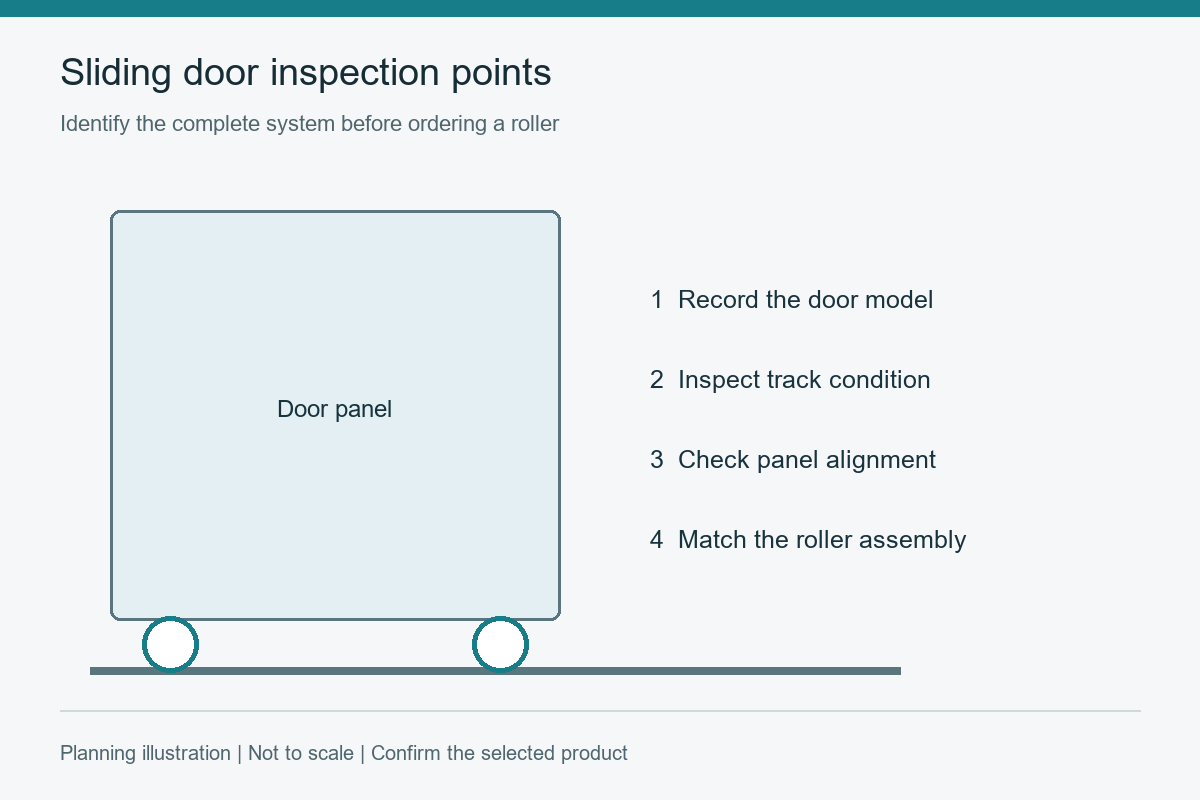
Sliding aluminum windows should be compared by their panel arrangement, usable opening, track and maintenance access. The overall frame width does not equal the clear ventilation opening. Review how the panels move and how rollers, locks and drainage can be inspected after installation.
Glass size and build-up determine weight, which affects rollers, handles and frame stiffness. Confirm maximum sizes and tested configurations for the proposed series.
Sliding systems use interlocks, brushes or gaskets and usually differ from compression-sealed casements. Match air and water expectations to verified data and keep track drains open.
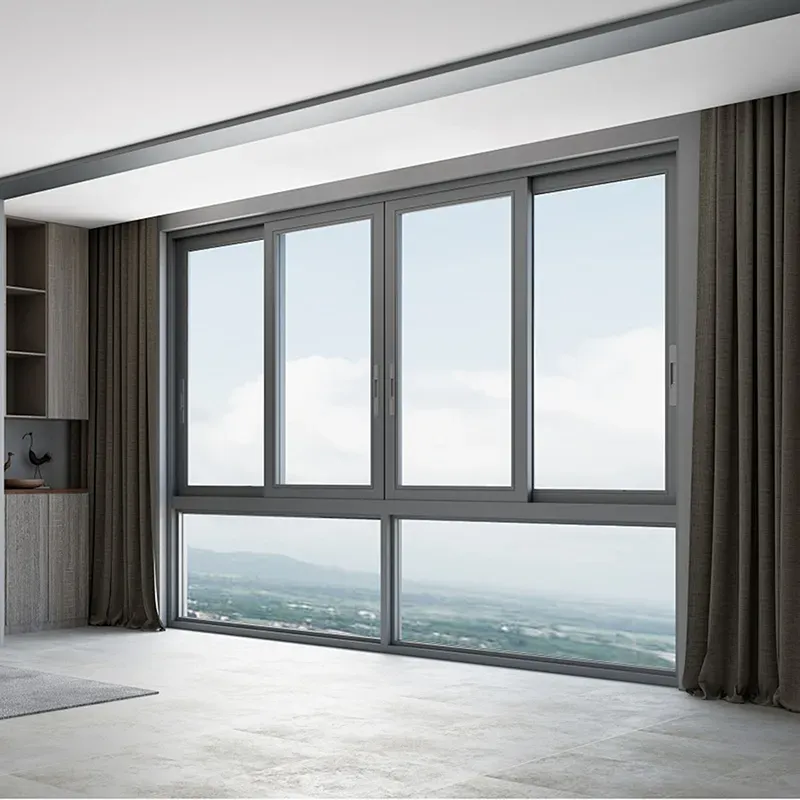
A related layout to review is 75 SERIES Ordinary Aluminum Sliding. Use the product page to discuss the proposed dimensions and configuration.
Tracks collect dust and debris. Ensure rollers, locks and panels can be adjusted or replaced without damaging finishes. Record part numbers and maintenance instructions.
On the proposed elevation, shade the fixed or overlapping panels and mark the opening left in everyday use. Then ask how the inside and outside glass surfaces will be cleaned. Inspect a working sample to understand the track and lock arrangement, and request replacement-part information before choosing a system for repeated openings.
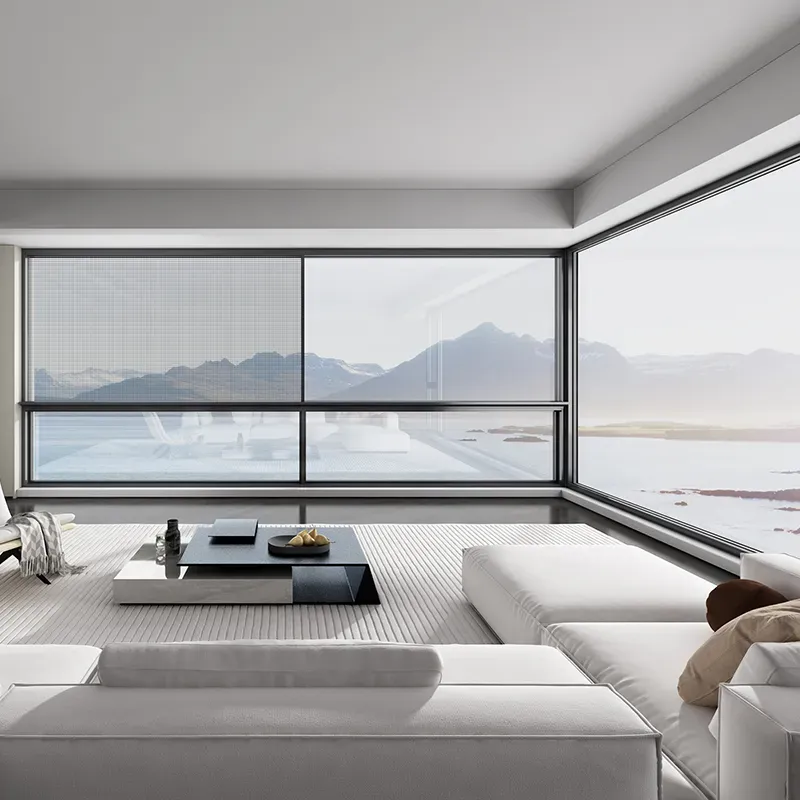
A related layout to review is 90 SERIES Ordinary Aluminum Sliding. Use the product page to discuss the proposed dimensions and configuration.
No. The arrangement depends on the system, tracks and panel configuration. Ask for an operating drawing showing the clear opening in the intended position rather than relying on the closed elevation.
Use the checks above to mark the unresolved items on your drawing or quotation. Send that marked-up version with the selected product reference so the next discussion can focus on the actual configuration.