Short answer: Sliding window replacement is not always a full-frame project. A worn roller, guide, lock or seal may be serviceable, while a failed frame, damaged opening or failed insulated glass unit may justify replacing the sash or the entire window. Diagnose the assembly before choosing the scope.

If you are researching sliding window replacement, the useful decision is not just a product label. It is the relationship between the opening, the moving parts, the glass, the screen, the surrounding wall and the way the room will be used. This guide focuses on diagnosis before purchase so you can ask better questions before ordering.
Replacement is worth considering when operation, air leakage, moisture, safety, appearance or maintenance has become a recurring problem. The right scope depends on the condition of the frame and opening, the availability of compatible parts and the performance expected from the new unit.
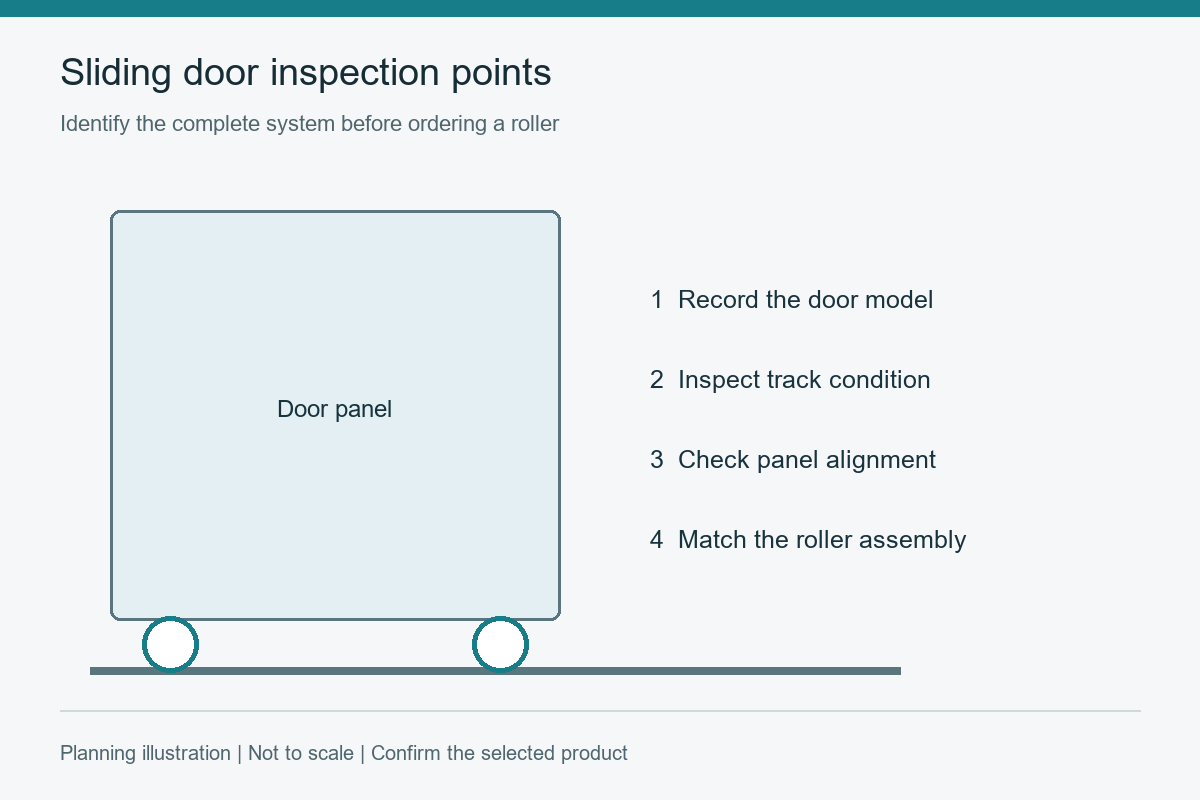
Ordering a replacement sash without confirming the existing frame and hardware can create a mismatch. Compatibility includes dimensions, track geometry, rollers, lock location and glazing thickness.
For a U.S. project, compare the ratings that apply to the exact window assembly and the climate where it will be installed. The U.S. Department of Energy explains that U-factor describes heat transfer and that solar heat gain coefficient, visible transmittance and air leakage answer different questions. A lower number is not automatically better for every rating or every orientation, so match the selection to comfort, daylight, sun exposure and ventilation.
ENERGY STAR guidance explains that certified products use NFRC-tested and verified performance information and that climate zone matters. Treat the label as a way to compare the specified product, not as a substitute for checking the opening and installation.
A sliding window works well when the frame is supported, the track is aligned, drainage paths remain open and the perimeter is sealed according to the installation instructions. Keep the track and weep paths free of grit. Clean the frame and glass with products approved for the finish, and never force a sash that has become difficult to move.
Before work starts, agree who owns final measurement, shimming, flashing, trim, disposal, adjustment and the correction of pre-existing damage. For a high, heavy or unusual opening, use a qualified installer who can explain the safe handling and service plan.
If the frame, sill, flashing and opening are sound, a compatible sash or repair may be reasonable. A damaged or poorly installed frame can make a full replacement more appropriate.
It can reduce drafts when the window, seals and installation are the cause. Check the surrounding wall, trim and air-sealing path so the repair addresses the complete opening.
It should identify the unit or part, measurements, glass, frame, finish, hardware, screens, removal, installation, trim, disposal, warranty and exclusions.
Gather a simple measurement sheet, photos of the opening, your preferred operation and the priorities for glass, privacy, ventilation and finish. Then review the Doors & Windows collection at ForgeWin Doors & Windows collection ForgeWin projects Contact ForgeWin and send the same brief through ForgeWin contact if you want a project-specific quotation review.
Sources: U.S. Department of Energy: Windows, Doors and Skylights DOE: Energy Performance Ratings ENERGY STAR: Residential Windows, Doors and Skylights