Stainless steel vanity care combines gentle cleaning with an inspection for moisture. Follow the supplied finish instructions, remove residues as directed and check around the basin, faucet and cabinet bottom. Repeated water marks in one location may need a plumbing or seal inspection as well as cleaning.
Soap film, toothpaste, cosmetics, mineral scale and fingerprints need different levels of cleaning. Start with the least aggressive effective method, often water and a soft cloth, then use a compatible mild product.
Avoid unapproved abrasive pads, steel wool or chloride-rich cleaners that can change sheen or leave contamination. Work with the grain on directional finishes, rinse residues and dry when water spots matter.

A related layout to review is FW-BV-001 cabinet layout. Use the product page to discuss the proposed dimensions and configuration.
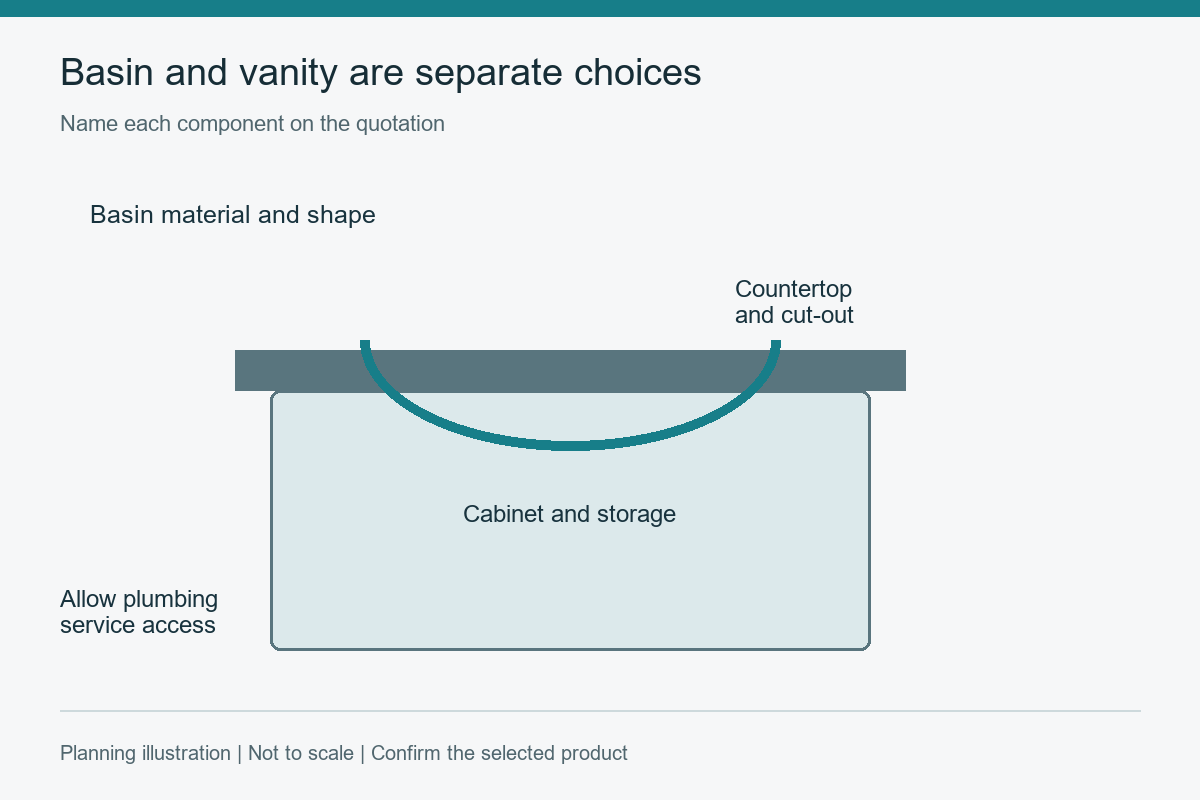
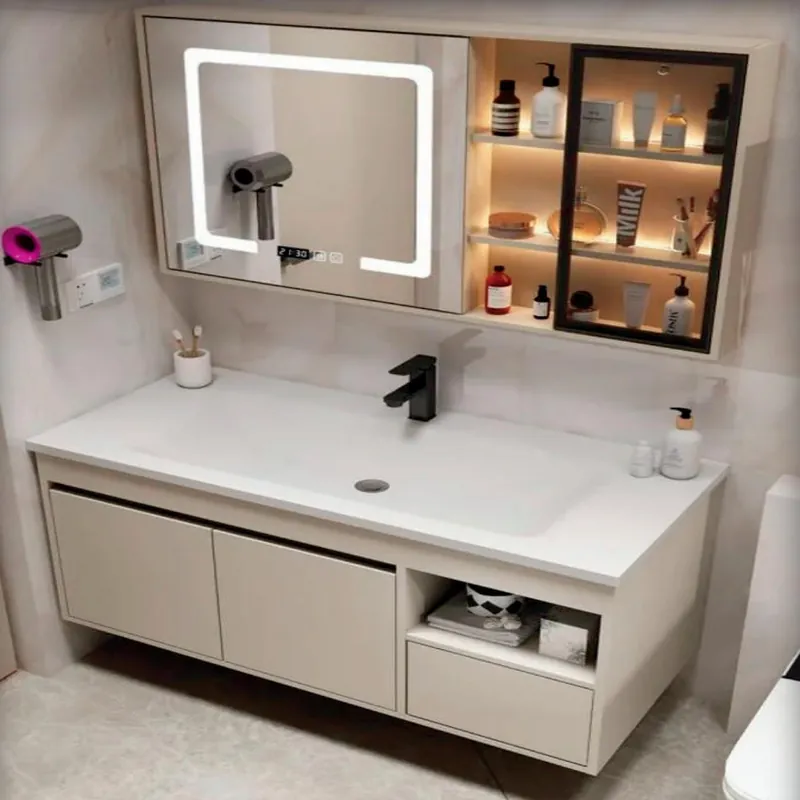
Check basin rims, faucet bases, seams, handles, drawer hardware and the cabinet bottom. Repair leaks and failed sealants promptly. EPA guidance emphasizes moisture control and bathroom ventilation as part of mold prevention.
After the vanity has dried, note where moisture returns. A splash on the top and a damp cabinet floor point to different checks. Photograph the location and inspect accessible connections before changing cleaners. Keep the drawer contents clear of any damp area until the source is understood, and ask a suitable tradesperson to repair leaks.

A related layout to review is FW-BV-012 cabinet layout. Use the product page to discuss the proposed dimensions and configuration.
Use only tools approved for the finish. An abrasive or contaminating tool can change the appearance or damage the surface. Start with the recommended method and seek the supplier's advice before using a stronger treatment.
Keep the product identification, care instructions and a short record of any recurring issue together. Share the photographs and service history with the supplier when asking about the next maintenance step.