Searching for discounted doors near me can uncover useful clearance offers, but the lowest ticket price is not always the lowest project cost. A door that fits poorly or arrives without the right hardware can add delivery, modification, and installation charges. This guide explains how to compare a discount door with the same care you would use for a custom order.
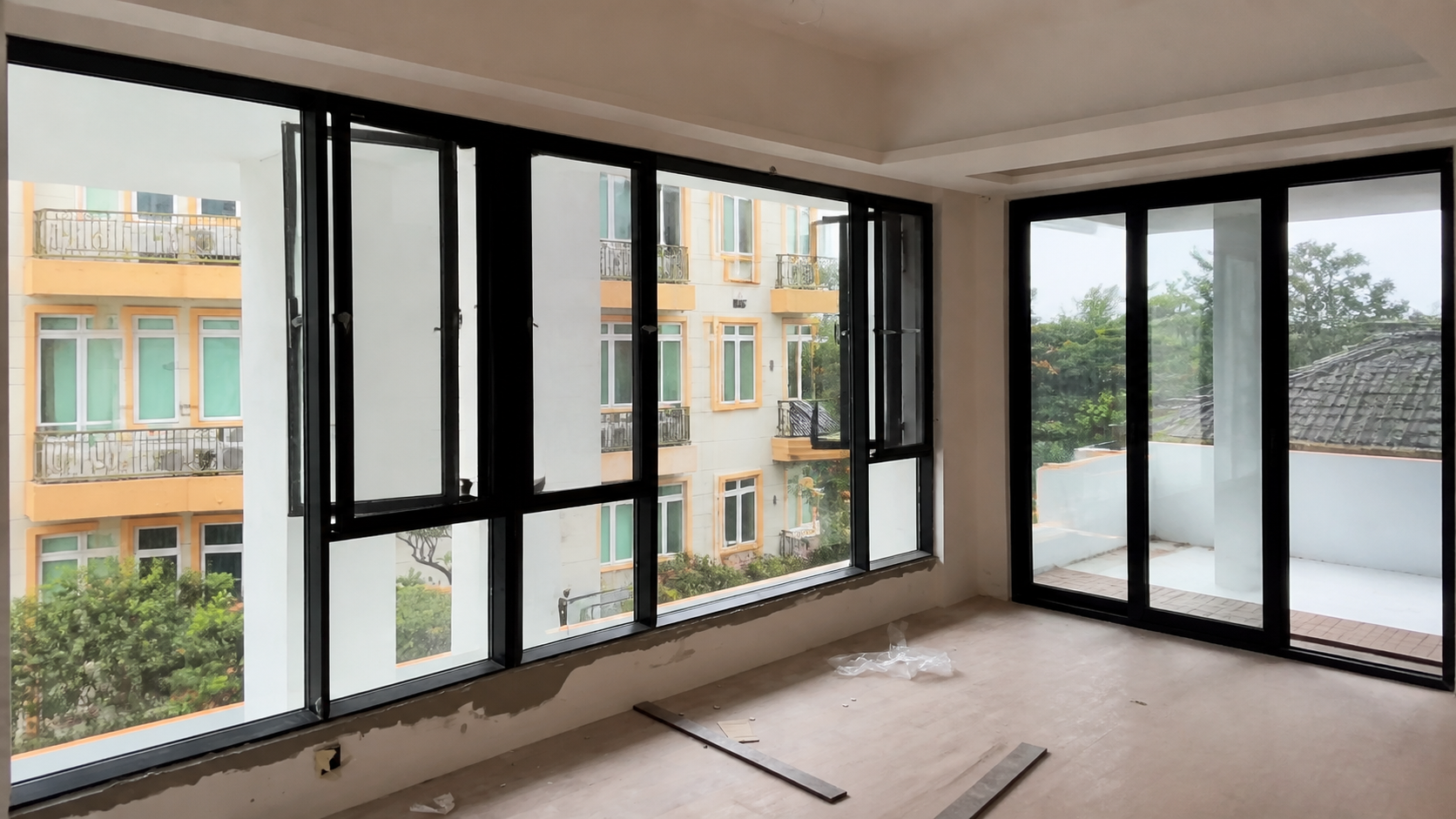
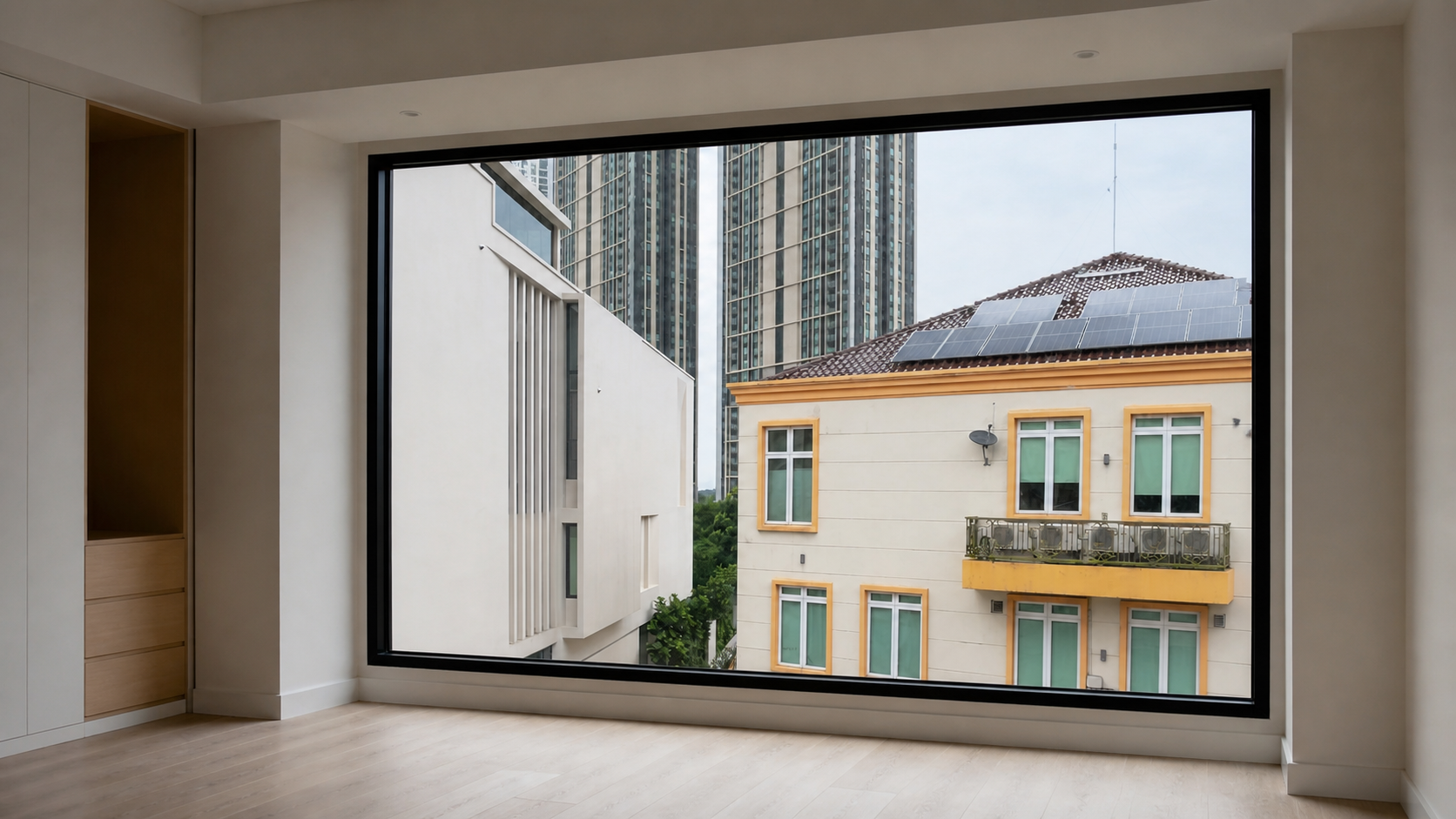
Measure the finished opening at the top, center, and bottom, then check both diagonals. Record width, height, wall thickness, sill condition, handing, and the direction of swing or slide. For replacement work, note whether the existing frame will remain. A seller who asks for these details is helping you avoid an expensive mismatch.
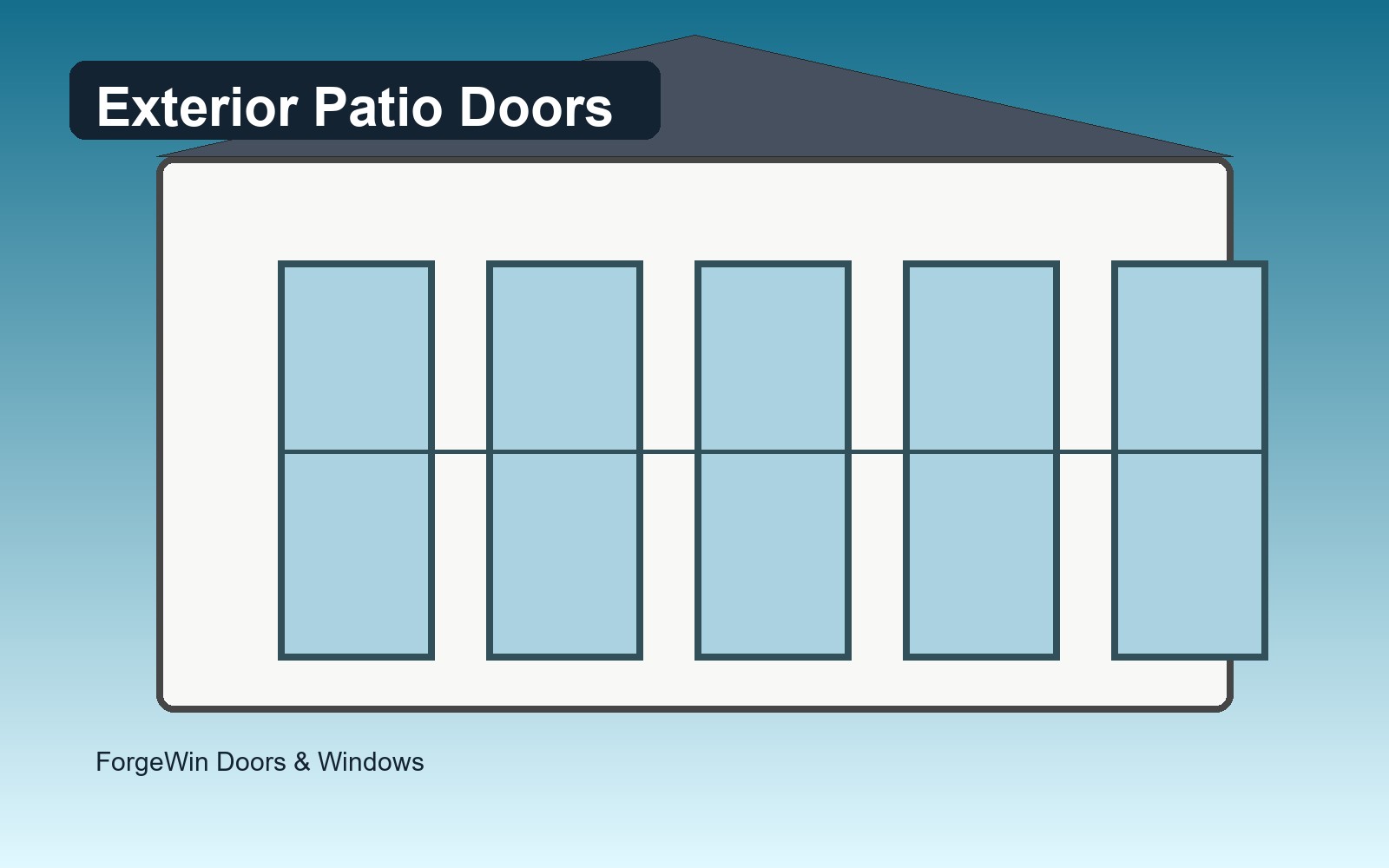
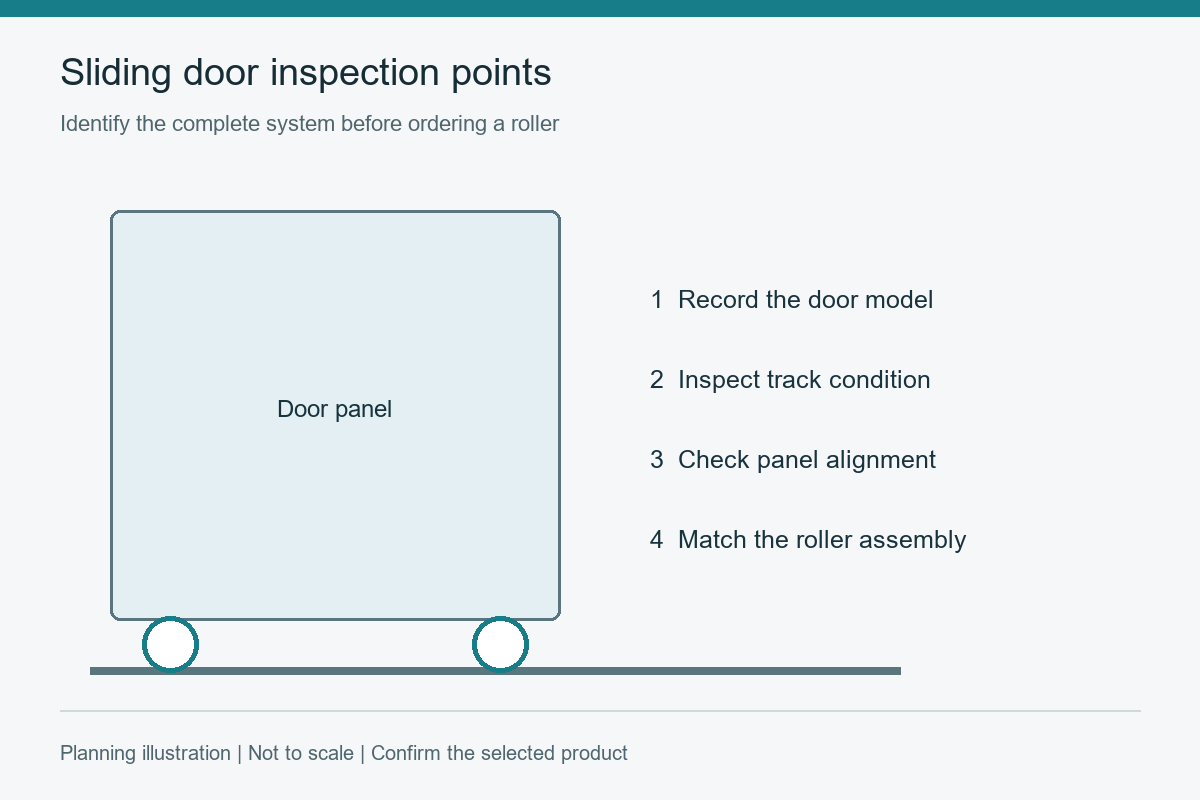
Compare the complete package: slab or panels, frame, threshold, hinges or rollers, lockset, screens, glazing, delivery, and installation instructions. Clearance units may be excellent when the size and configuration match, while a “door only” price can look attractive until missing components are added. For a broader comparison, see our folding patio door planning guide.
For exterior doors, ask about weather seals, drainage, glass type, thermal breaks, and the product’s tested air and water performance. In a cold or hot climate, insulated glass and a thermally improved frame can reduce comfort problems. For interior doors, focus on core construction, face durability, hinge preparation, and the privacy level you need.
Request the same specification from at least two suppliers. Put size, material, finish, glass, hardware, lead time, delivery point, and warranty in writing. A local installer can also confirm whether the opening is level and whether flashing or sill repair is needed. If you are comparing sliding systems, our custom sliding door guide covers the details that most often change a quote.
A discounted door can be a smart purchase when the dimensions, components, and support are clear. Treat the offer as a specification review, and the savings are much more likely to remain savings after installation.