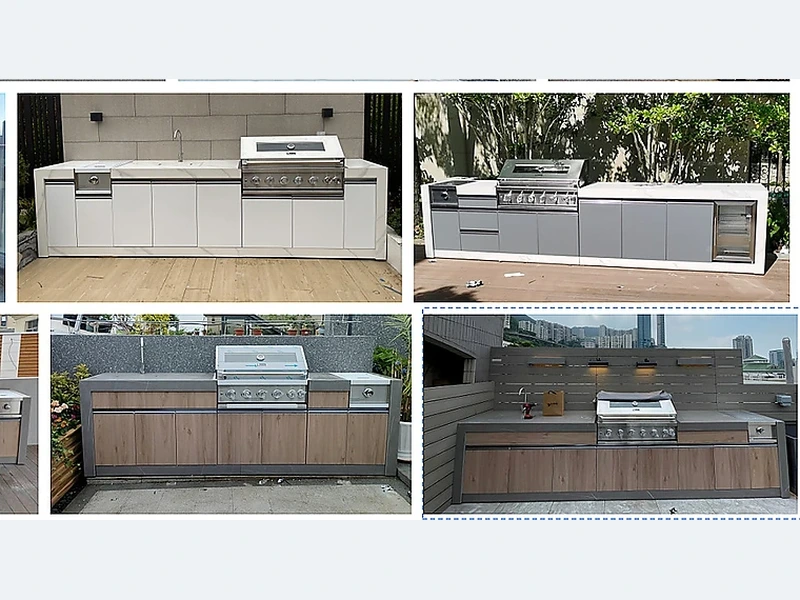
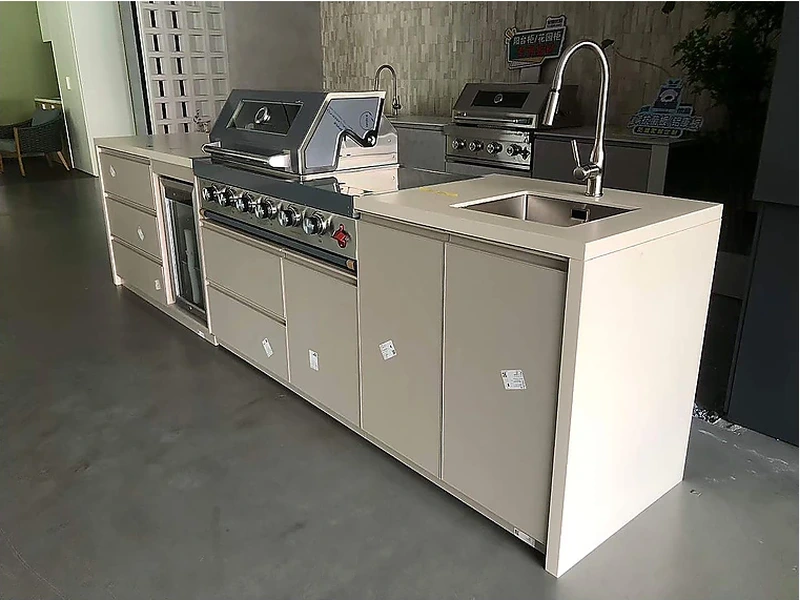
Choose stainless steel when heat tolerance, stiffness and a food-service look are priorities; choose marine-grade aluminium when low weight and broad corrosion resistance are more important. Both can work outdoors. Stainless grade, aluminium alloy, coating system, fasteners and galvanic isolation decide performance. Near salt water, compare a properly specified 316 stainless system with a marine-grade coated aluminium system rather than comparing generic labels.
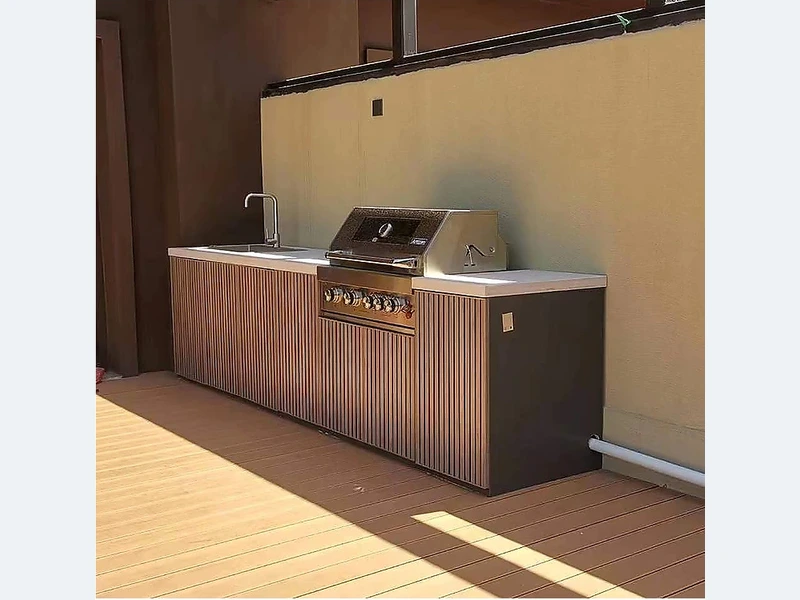
A useful way to approach this question is to separate the visible product from the site conditions around it. A cabinet is a collection of metals, coatings, hinges, runners, seams and edges. Its weakest part sets the maintenance burden. Match every component to rain, ultraviolet light, heat, salt and cleaning rather than choosing from a small door sample indoors.
In practical terms, for “Aluminium or stainless steel outdoor kitchen — which is better?”, put the uncertain interface on the drawing. That may be an appliance clearance, a drainage level, a finish in salt air or the boundary between factory supply and local installation. A qualified local professional should confirm regulated work. It turns a broad question into a list of decisions that can be checked before production.
| Decision | What to examine | What to record |
|---|---|---|
| Cabinet body | Alloy or grade, thickness and construction | Written material schedule |
| Finish | UV, salt, heat and cleaning exposure | Code, sample and care method |
| Hardware | Hinges, runners, handles and fasteners | Material and load rating |
| Water management | Seams, edges, vents and base details | Drain and drying path |
Use this list before accepting a design, price or product recommendation:
Evidence boundary: The recommendation has limits: appliance instructions, measured conditions and destination rules take precedence. Have the relevant local professional check any fire, gas, power, water, drainage or structural detail.
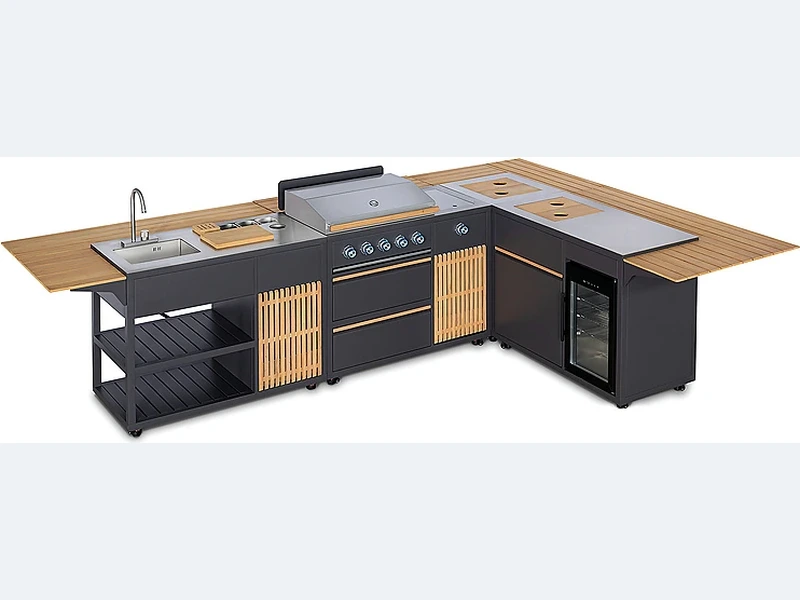
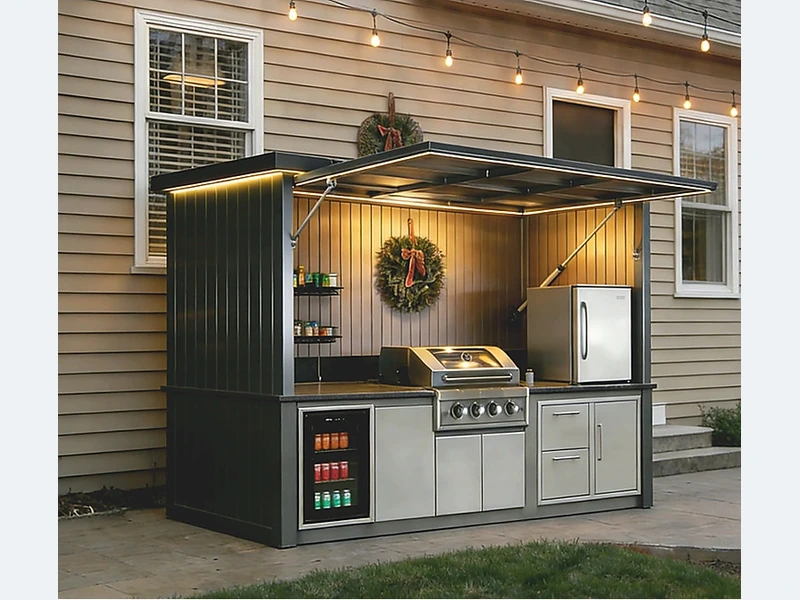
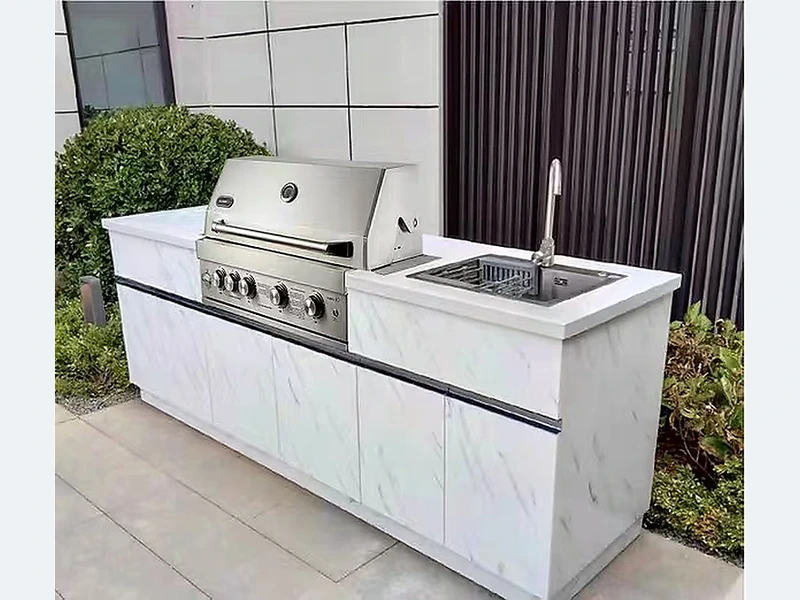
A product reference makes the planning choices easier to see; start with the straight outdoor kitchen design collection together with the broader ForgeWin outdoor-kitchen range. Treat both as configuration references, then submit the measured site, appliance schedule, finish direction and delivery location for a project review.
The factory drawing can define cabinetry, interfaces and finishes; it cannot inspect the destination site. Local installers and licensed trades should sign off measurements, structure and regulated connections before manufacture or commissioning.
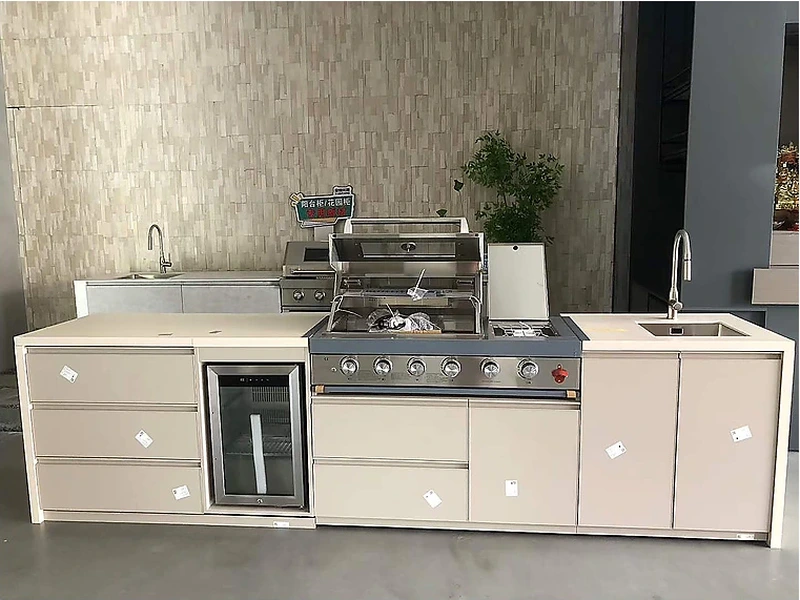
Wood cabinets can be used outdoors when the species, substrate, joinery, finish and ventilation are designed for exterior service. They normally need more maintenance than metal cabinets and should be kept away from standing water and intense grill heat. Wood-look metal or compact-laminate panels can provide a warmer appearance with less seasonal movement, but their edges and fixings still need outdoor detailing.
Granite can be a good outdoor worktop when the selected stone is dense, sound and properly supported. It tolerates sun and heat better than many resin-bound surfaces, but porosity, colour, resin repairs and sealing needs vary by slab. Review the actual slab, edge design, joints and support around grill or sink cut-outs; do not assume every stone sold as granite behaves identically.
Yes, aluminium can be a good outdoor-cabinet material because it is light and does not form red rust. It still needs the right alloy, coating or anodising, compatible fasteners and isolation from dissimilar metals. Thin panels can dent and poorly prepared coatings can fail, so assess cabinet construction and finish warranty—not just the fact that the cabinet is aluminium.
For “Aluminium or stainless steel outdoor kitchen — which is better?”, keep the solution simple until the fixed constraints are known. Once site, weather, equipment and services are recorded, the remaining choices can be priced without forcing late changes. Send ForgeWin the dimensions, photos and model numbers so unresolved items can be marked before production.
2026-09-21
2026-10-07
2026-09-05