Compare outdoor kitchen cabinet materials as complete assemblies. Record the base metal, surface finish, hardware and edge details, then relate those choices to the site exposure and cleaning plan. A stainless steel grade or a color coating describes only part of the proposed cabinet.
Ask whether the cabinet uses stainless steel, galvanized carbon steel, painted steel or a combination. Record the recognized grade or coating system for each component. The word steel alone cannot predict outdoor corrosion behavior.
Bending, welding, drilling and appliance cut-outs affect surfaces and edges. Coated steel needs a plan for exposed substrate; stainless needs contamination and finish control. Fasteners and hardware should fit the same environmental strategy.
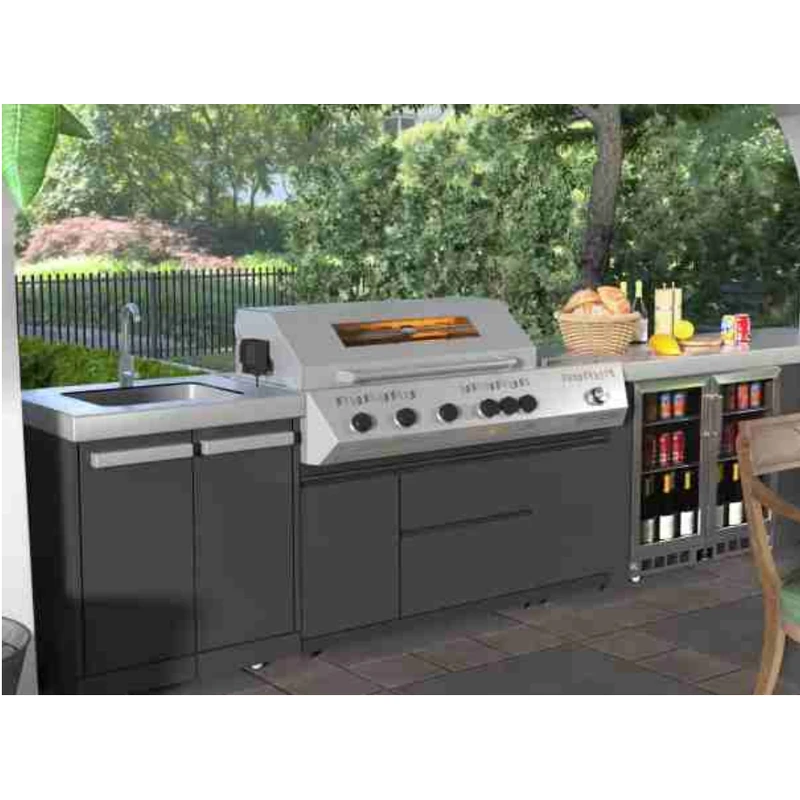
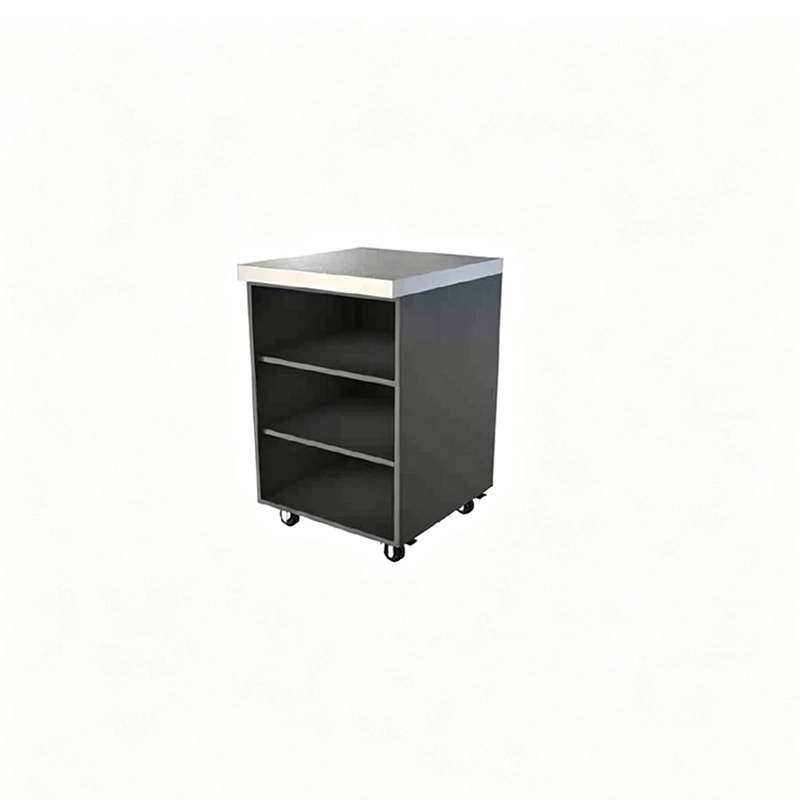
A related layout to review is Custom 304 Stainless Steel Outdoor Kitchen Cabinet System. Use the product page to discuss the proposed dimensions and configuration.
Select enough corrosion resistance for the site without assuming the most expensive label solves poor detailing. Compare maintenance, repair and replacement support alongside initial cost. Unknown environments deserve conservative review or specialist input.
Powder coating or paint can change color and surface behavior, but holes, cut-outs, folds and impacts may expose the substrate. Ask how those areas are prepared and sealed. A stainless substrate and carbon-steel substrate do not create the same repair risk beneath a similar color.
Sun, sky and surrounding materials change the way stainless finishes read. View the sample vertically and horizontally because directional grain changes with orientation. Compare it next to the proposed worktop, wall and appliance surfaces.
Type 316 contains molybdenum and is commonly selected for additional resistance in many chloride environments. Type 304 is widely used in general applications. Neither is maintenance-free, and severe exposure may require a different alloy or protective strategy.
Put two supplier samples beside their section drawings. On a coated sample, ask how cut edges, drilled holes and damaged areas are treated. On a stainless sample, ask which parts use the stated grade and how the finish should be maintained. For a coastal location, describe the actual exposure and sheltered areas where deposits may collect; a postcode alone leaves too much unstated.
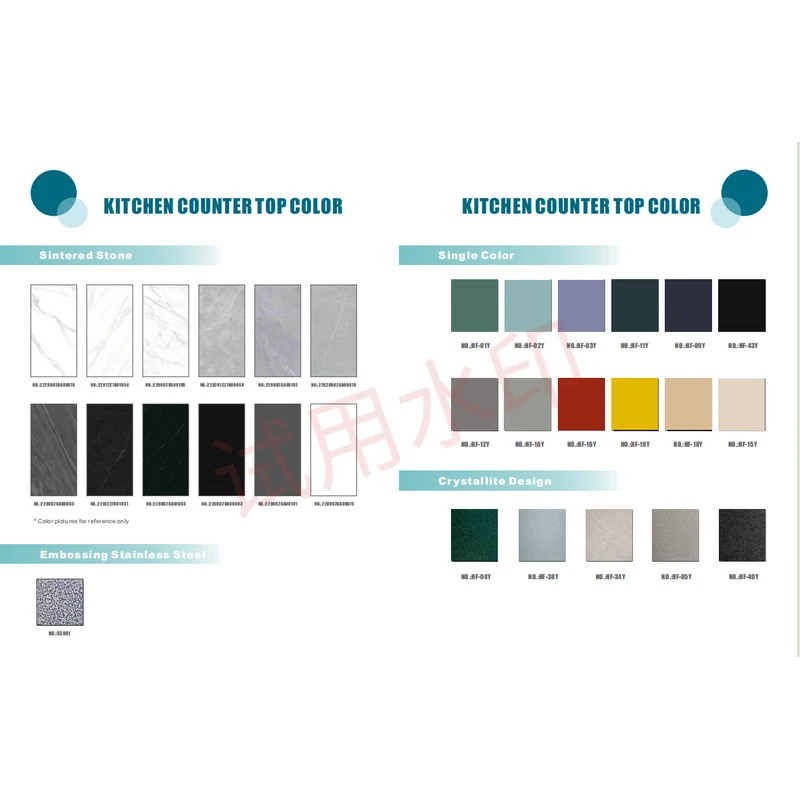
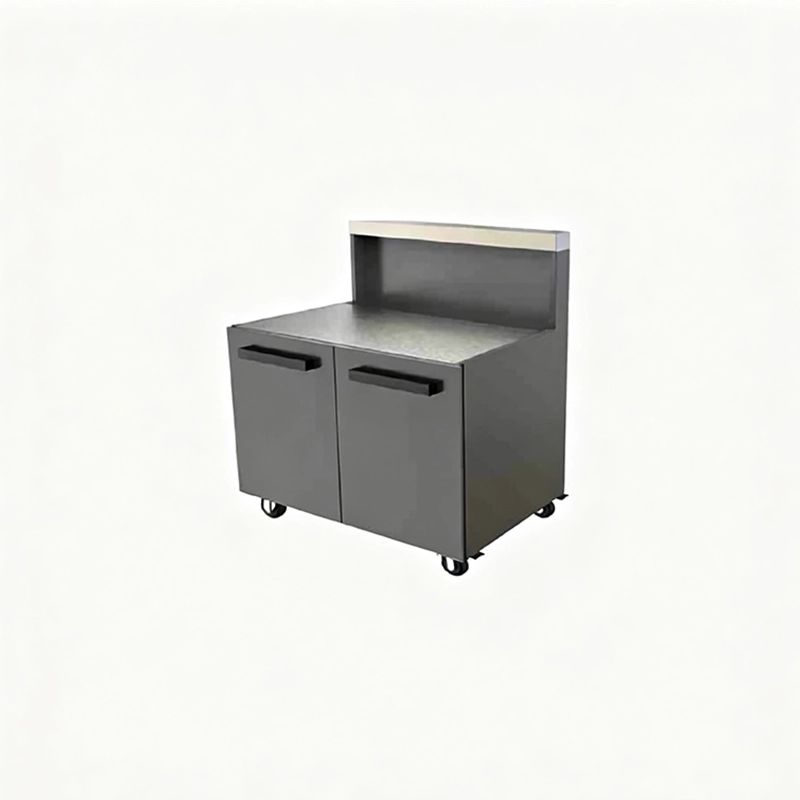
A related layout to review is Color-Coated 304 Stainless Steel Outdoor Kitchen Cabinets. Use the product page to discuss the proposed dimensions and configuration.
| Component | Question to resolve |
|---|---|
| Base metal | Which grade or metal is supplied for each part? |
| Coating or finish | How are edges, holes and repairs handled? |
| Hardware | Does its specification suit the same exposure? |
| Maintenance | Which cleaning method is required at this site? |
No. Grade selection is only one part of corrosion control. Detailing, surface condition, exposure and maintenance still need attention. Ask the supplier to explain the proposed material system for the actual location.
Use the checks above to mark the unresolved items on your drawing or quotation. Send that marked-up version with the selected product reference so the next discussion can focus on the actual configuration.