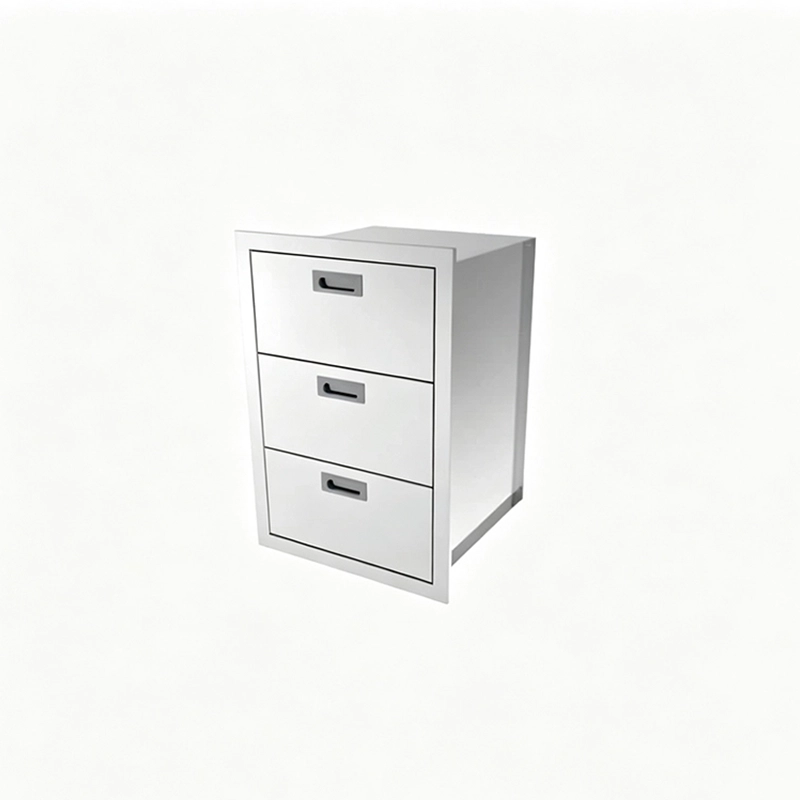
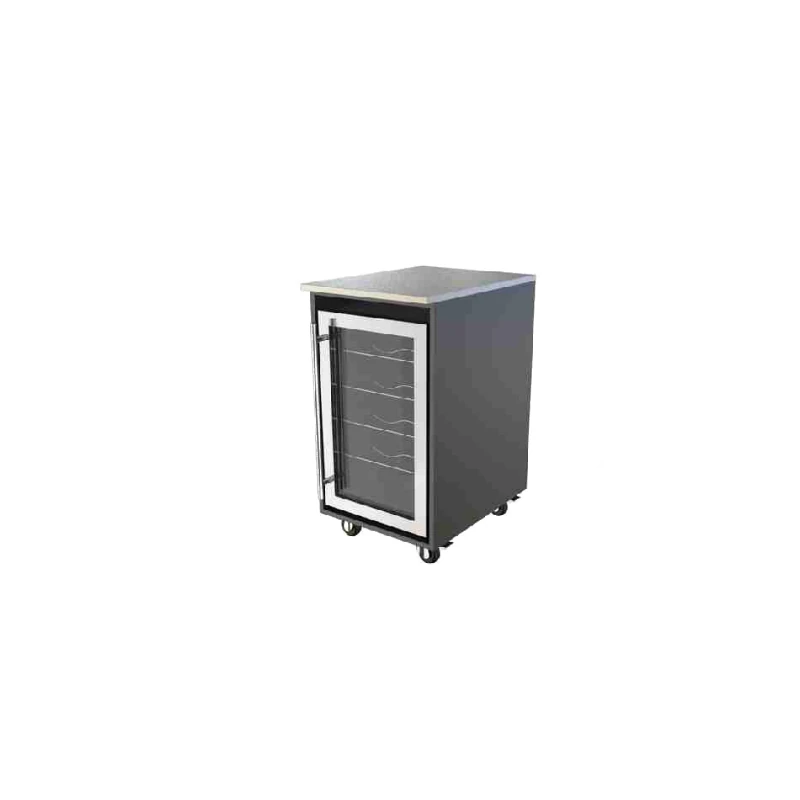
Outdoor cabinet weather protection starts with understanding where water can enter, collect and leave. Examine the worktop edges, doors, rear panels, base and service openings as one arrangement. Corrosion resistance and protection of the stored contents are separate questions.
Observe where roof water lands, which direction storms drive rain and which surfaces face intense afternoon sun. Mark irrigation and pool splash. This walk-through often changes end panels, vent locations and the position of sensitive appliances.
Worktop edges, backs, door gaps, internal ledges and the base each need a water strategy. Keep drains clear and avoid closed plinths that trap puddles unless they are purpose-designed and sealed. Confirm anchors for wind and site conditions.
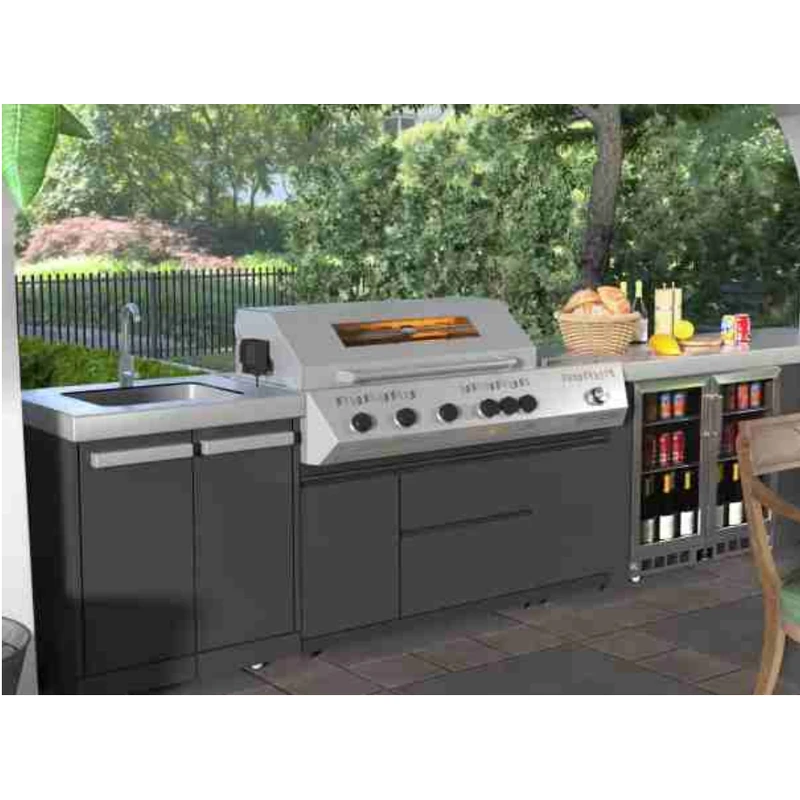
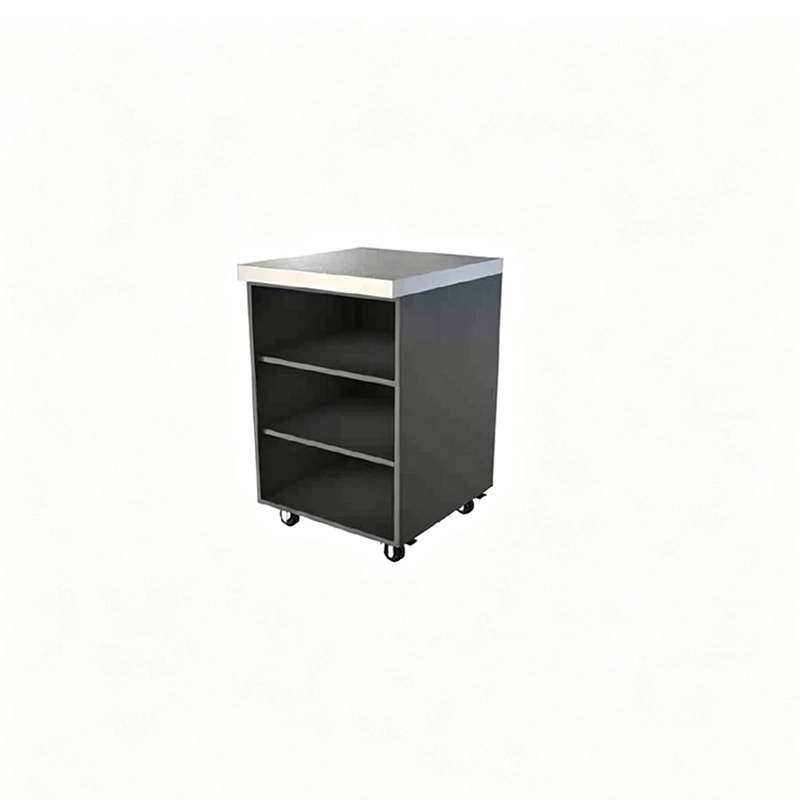
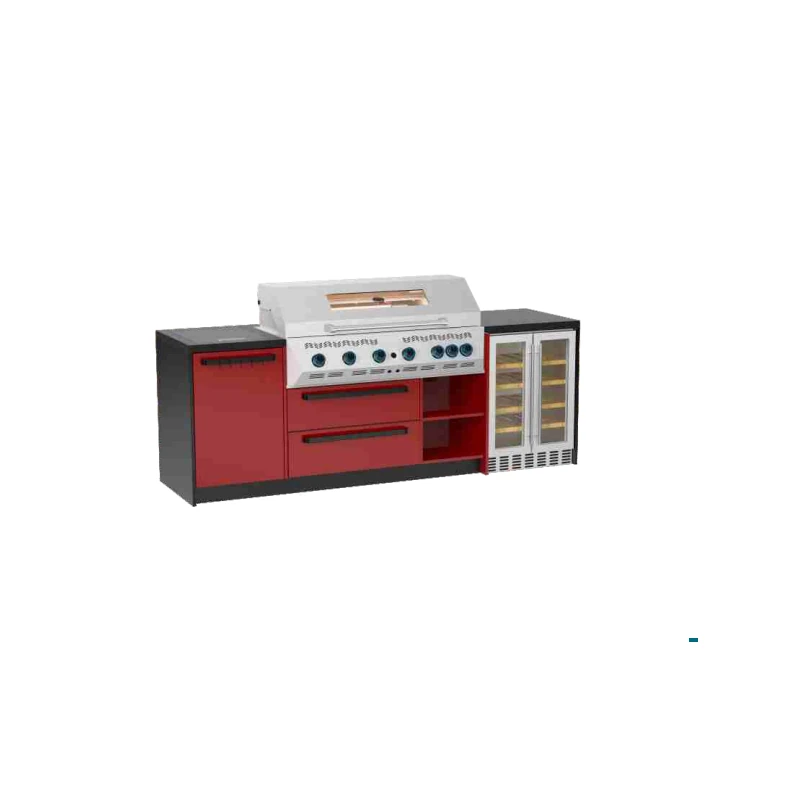
A related layout to review is Custom 304 Stainless Steel Outdoor Kitchen Cabinet System. Use the product page to discuss the proposed dimensions and configuration.
Seasonal sites may need appliance shutdown, water draining, covers and more thorough cleaning before closure. Covers should fit cooled equipment and allow the ventilation the manufacturer requires. Record restart inspections before the next season.
One end may receive wind-driven rain while a wall-facing back stays damp and sheltered. Pool splash, irrigation and cooking grease create other patterns. Photograph the kitchen in different seasons and use those observations to set care priorities.
A fixed annual clean is rarely enough information. Inspect at short intervals after installation, then adjust rinsing and cleaning when the rate of salt, dust or grease buildup is clear. Covered kitchens still need attention because shelter can stop rain from washing deposits away.
Note cleaners, dates, stains, leaks and loose hardware. This helps distinguish recurring environmental deposits from isolated contamination or a failed detail. Store vulnerable utensils indoors when the kitchen will be unused for long periods, and follow appliance winterization guidance where relevant.
Review the kitchen after imagining wind-driven rain from the exposed side. Follow the water toward the countertop edge and down to the base. Ask what happens at a service penetration or a door opening. A cover may reduce exposure during non-use, but the cabinet still needs a practical drying and inspection routine after wet weather.
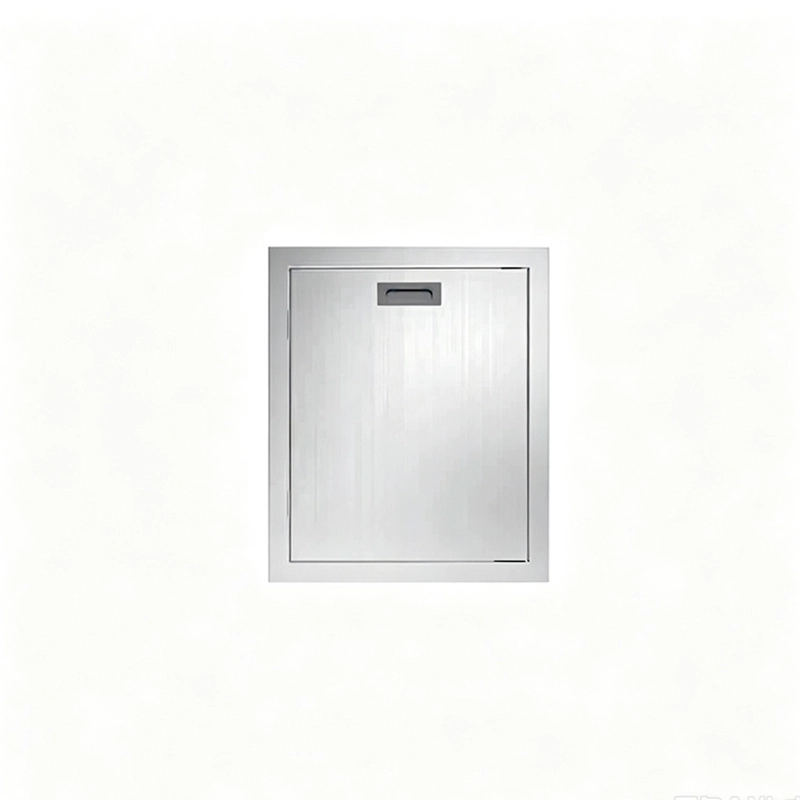
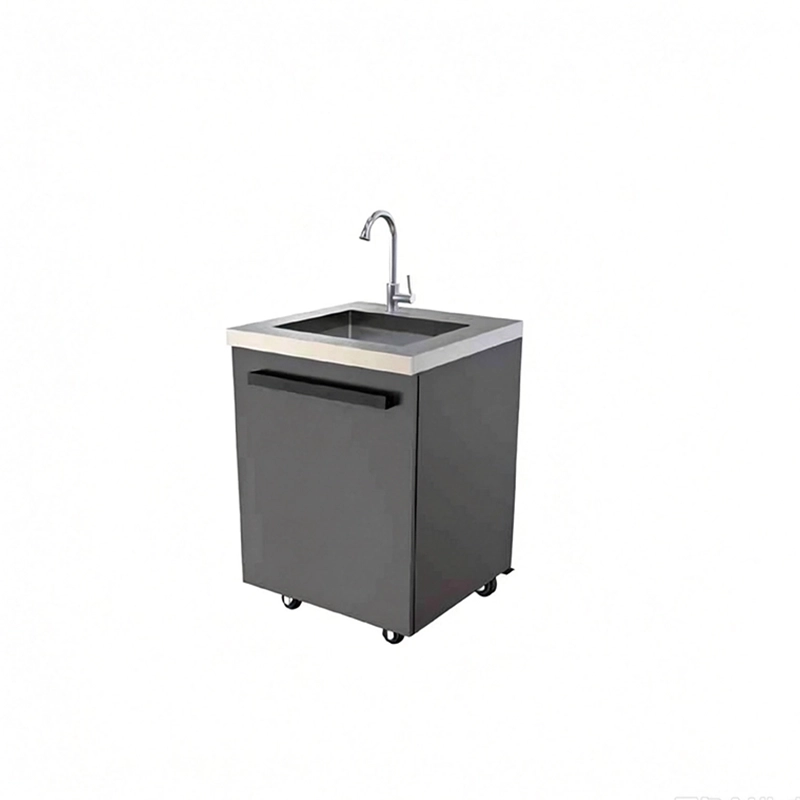
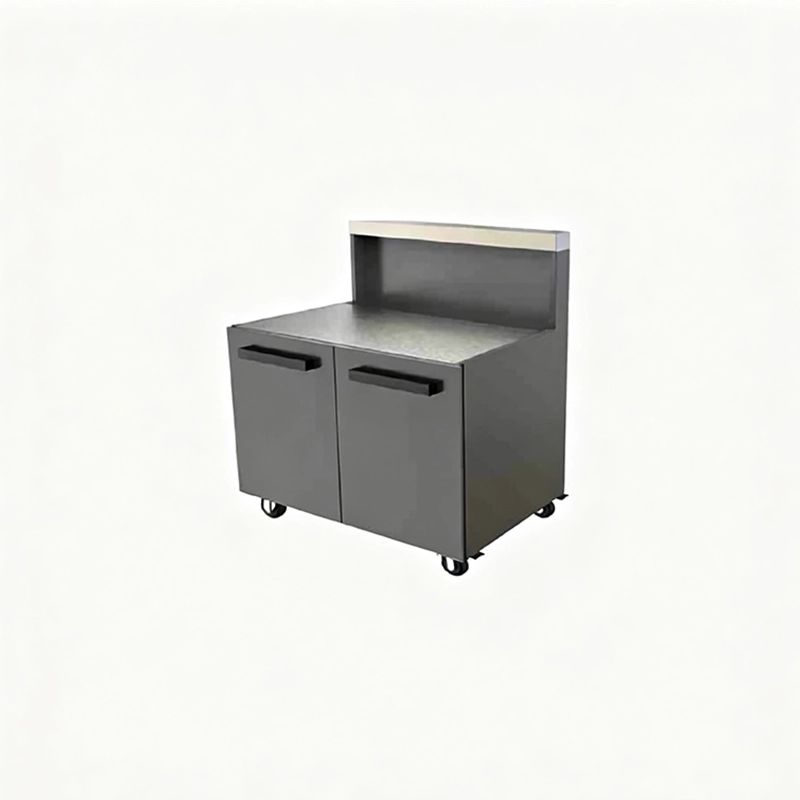
A related layout to review is GP-SSD101 outdoor cabinet. Use the product page to discuss the proposed dimensions and configuration.
Do not assume that they can. Ask what level of protection the complete assembly is designed to provide and under which conditions. Door seals cannot resolve an unsuitable worktop joint, trapped water or an unprotected service opening.
Use the checks above to mark the unresolved items on your drawing or quotation. Send that marked-up version with the selected product reference so the next discussion can focus on the actual configuration.