Outdoor kitchen storage should distinguish items that stay outside from those brought out for a meal. Organize frequently used utensils near their task and keep less-used spaces easy to inspect. Choose compartments around the contents and exposure, rather than assuming every cabinet will behave like indoor storage.
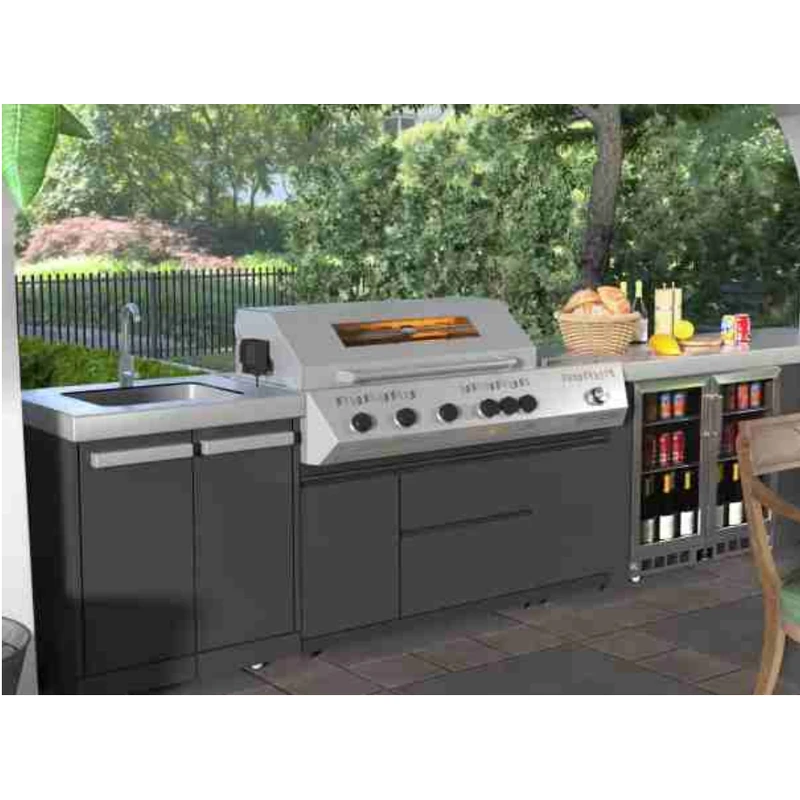
Place preparation tools near the work surface, grill tools beside—not beneath—hot equipment, and serving pieces near the dining side. Waste and cleaning supplies need their own controlled zone. This task-based approach produces a more natural layout than filling every opening with the same shelf pattern.
Humidity, pests and wind-driven rain can reach cabinet interiors. Identify which cookware and supplies are robust enough for outdoor storage and which should return indoors or use sealed containers. Fuel and chemicals require separation from food-service items and may need purpose-built storage.
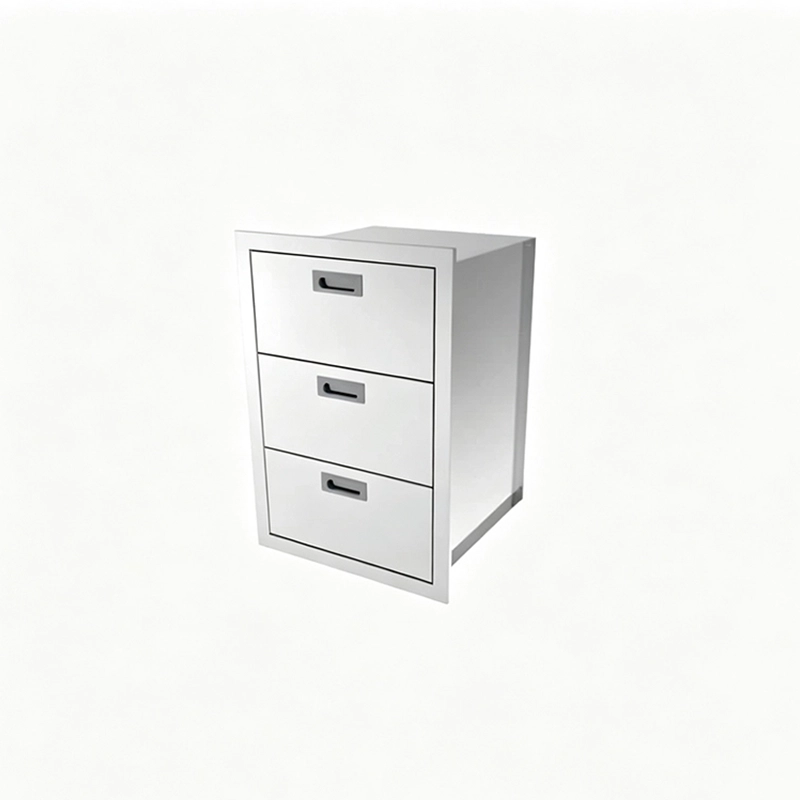
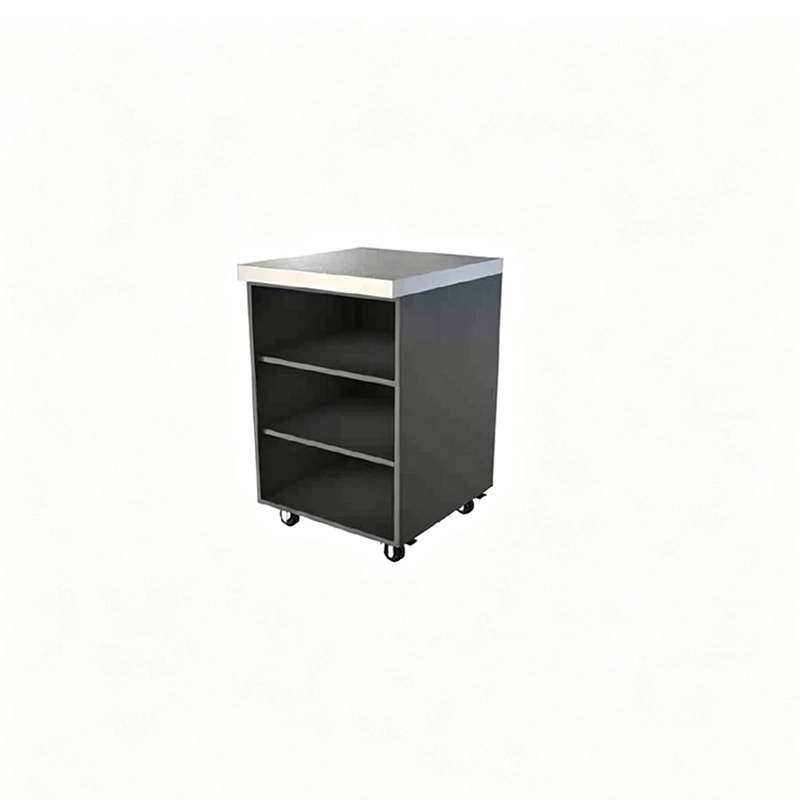
A related layout to review is GP-SSC3 outdoor cabinet. Use the product page to discuss the proposed dimensions and configuration.
Wide drawers can improve access to heavy cookware when the slides and fixings are rated properly. Shelves should be removable or adjustable without hiding leaks or debris. Favor mechanisms that staff or family members can clean and replace over complicated organizers with no local parts support.
Measure grill tools, pots, serving ware, fuel accessories and cleaning products. Group them by point of use and frequency. Deep drawers help with heavy items when slides are rated correctly, while adjustable shelves suit changing supplies.
A cabinet door reduces direct exposure but does not automatically create a dry, pest-proof interior. Decide which items can remain outdoors and what needs sealed containers or indoor storage. Separate food-service items from chemicals and fuel.
Pull-outs and organizers consume space and create hardware points. Use them where they solve a reach problem, and confirm that they can be removed for cleaning. Specify replacement hardware and corrosion compatibility for the site.
Make three lists: cooking tools, serving items and supplies brought out only when needed. Test a drawer layout with the tools in place, then decide how the remaining items will be protected or carried indoors. Leave an easy view of the cabinet bottom so moisture or debris is noticed during routine cleaning instead of hidden behind a permanent stack.
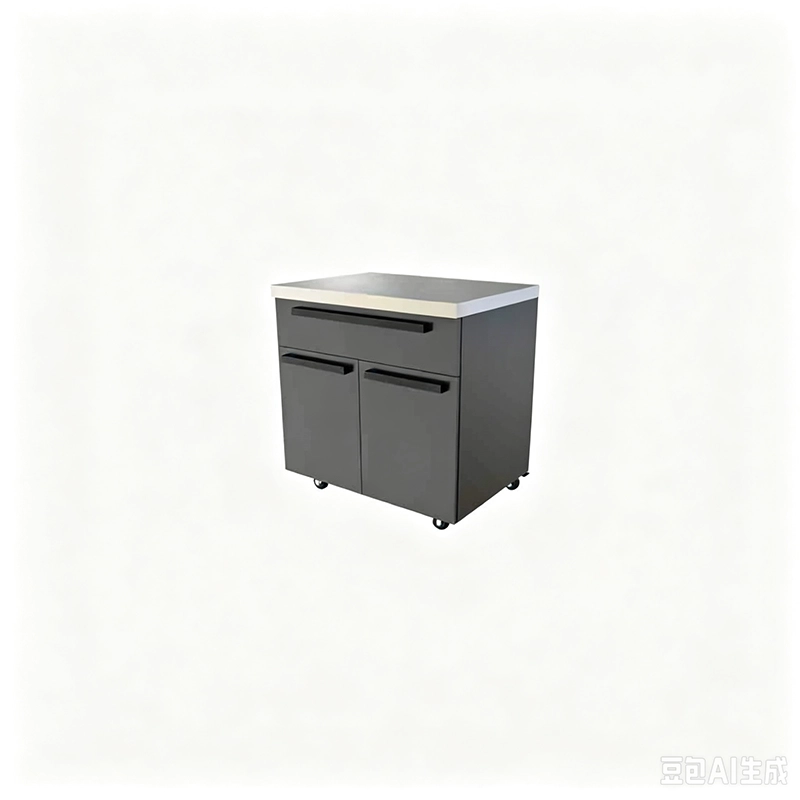
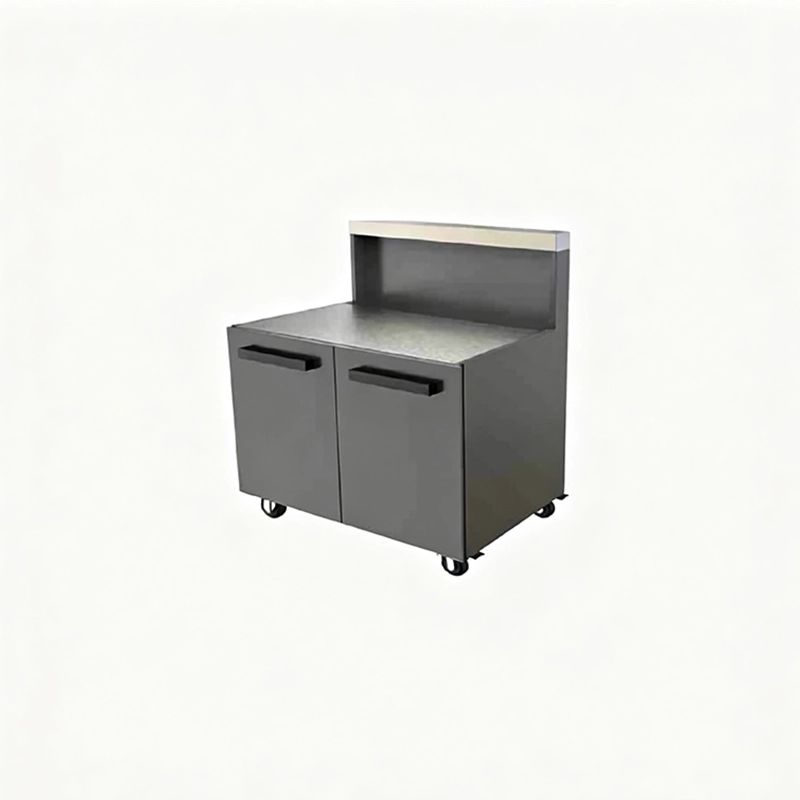
A related layout to review is GP-M04 outdoor cabinet. Use the product page to discuss the proposed dimensions and configuration.
No. Check the stated protection of the actual drawer assembly. Decide where to store moisture-sensitive contents only after understanding the cabinet's exposure and the supplier's care instructions.
Use the checks above to mark the unresolved items on your drawing or quotation. Send that marked-up version with the selected product reference so the next discussion can focus on the actual configuration.