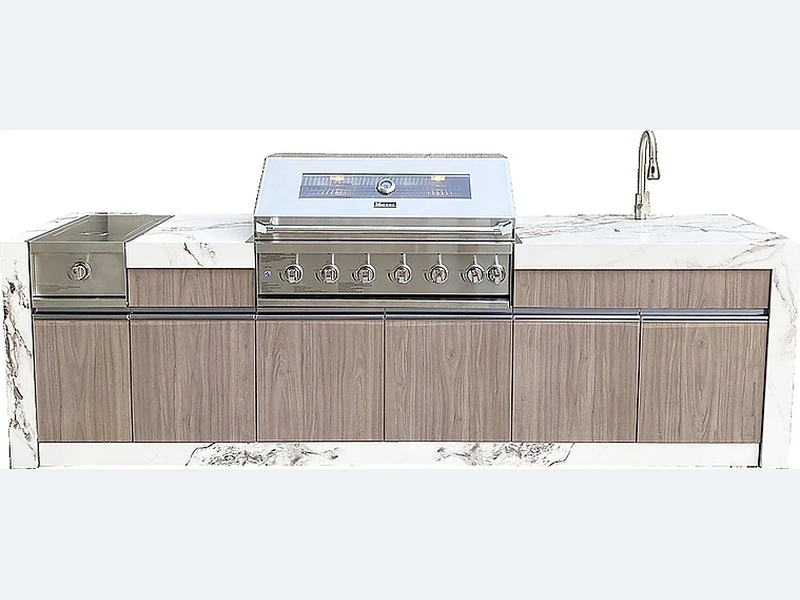
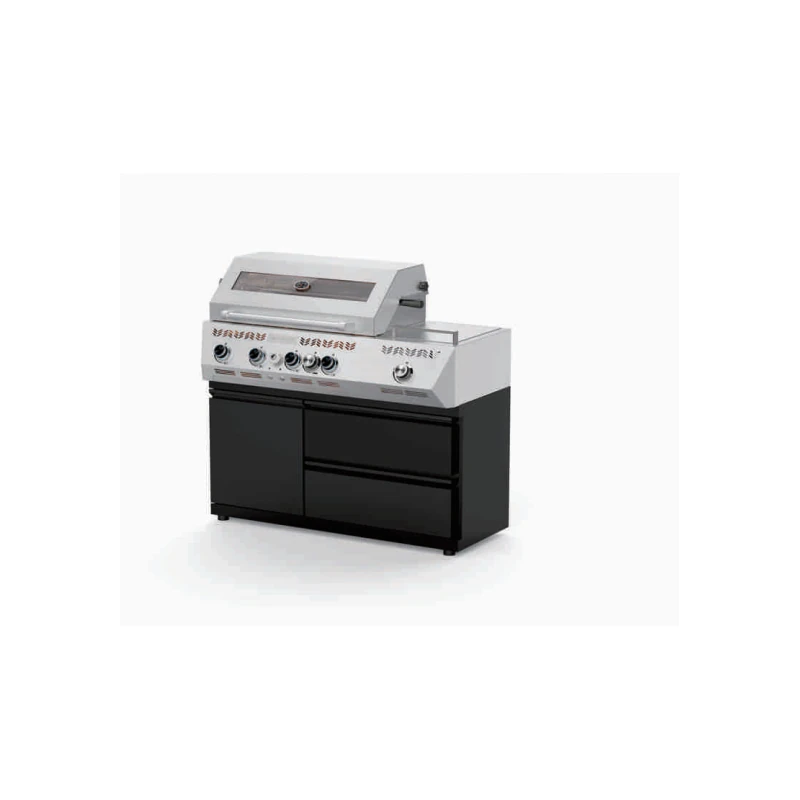
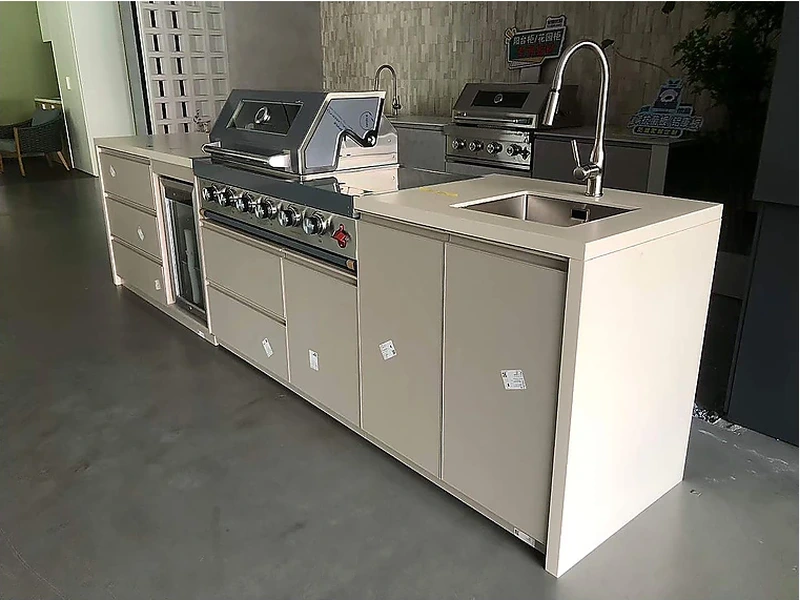
Avoid indoor-only refrigerators, dishwashers, small appliances or electronics outdoors unless the manufacturer explicitly approves the installation. Also avoid appliances that cannot be serviced once built in, or whose vents would be blocked by the cabinet. Products with exposed plugs, unsuitable temperature ranges or no weather rating create more risk than convenience, even beneath a roof.
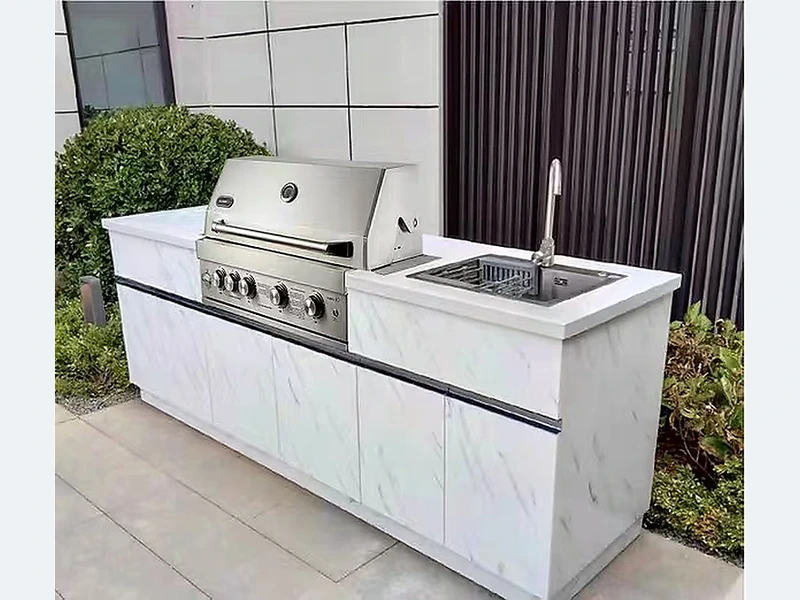
The practical answer lies in the details that a catalogue photo cannot show. Outdoor approval, ambient temperature, fuel or voltage and local warranty support belong on the appliance schedule. The cabinetry then provides support and access without changing the tested installation. Late substitutions must be checked as new products, not assumed equivalent.
When the site is measured, for “What appliances should I avoid putting outdoors?”, use one revision-controlled plan for quotation, approval and installation. Note exposure, open appliance doors, service access and unresolved approvals on that sheet so later substitutions can be checked against the same baseline. It turns a broad question into a list of decisions that can be checked before production.
| Decision | What to examine | What to record |
|---|---|---|
| Approval | Outdoor use and destination requirements | Data plate and technical sheet |
| Opening | Cut-out, support and insulation jacket | Manufacturer drawing |
| Airflow | Combustion or condenser ventilation | Unblocked free-air path |
| Service | Isolation, cleaning and removal | Accessible panels and connections |
Use this list before accepting a design, price or product recommendation:
Evidence boundary: The recommendation has limits: appliance instructions, measured conditions and destination rules take precedence. Have the relevant local professional check any fire, gas, power, water, drainage or structural detail.
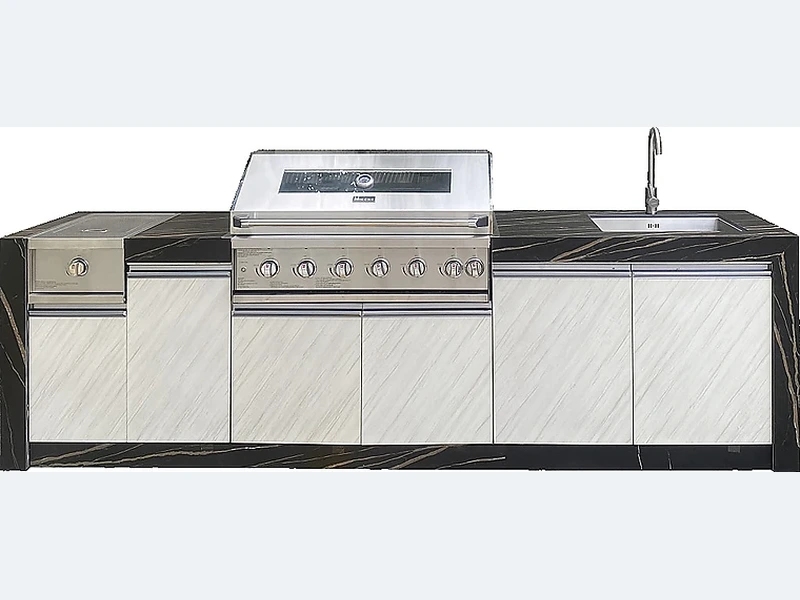
One useful configuration reference is the straight outdoor kitchen design collection together with the broader ForgeWin outdoor-kitchen range. Treat both as configuration references, then submit the measured site, appliance schedule, finish direction and delivery location for a project review.
Responsibility should be written beside the drawing: ForgeWin for the quoted cabinet scope, the buyer or surveyor for site dimensions, and local professionals for structure and controlled services. Clear ownership is a practical quality check.
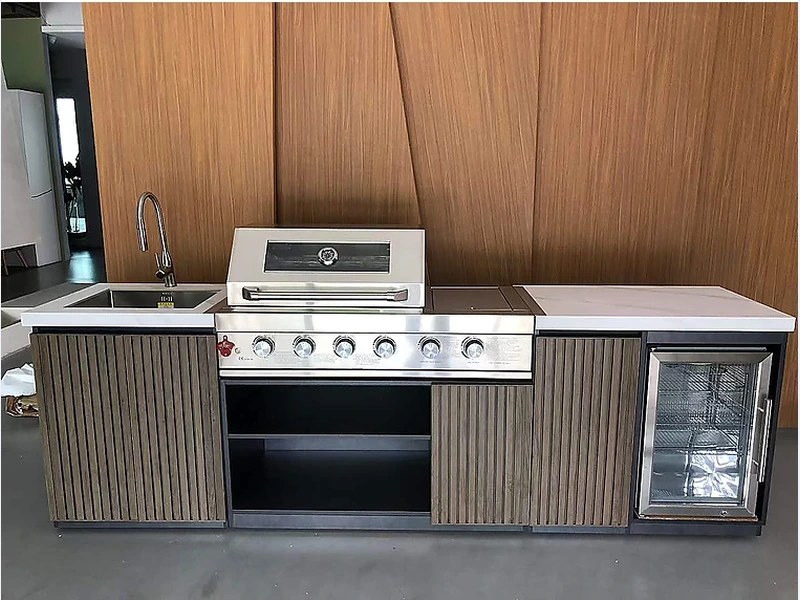
A BBQ’s clearance from cabinets is set by the exact appliance manual, the cabinet material and any approved insulation jacket. There is no safe universal gap. Use the manufacturer’s cut-out and clearance drawing, confirm combustible and overhead conditions, and have the local installer review the plan. Never reduce a stated clearance because the visible exterior of the grill feels cool.
Do not place a normal indoor refrigerator outdoors unless its manufacturer expressly approves that installation. Indoor units may not be designed for rain, humidity, temperature swings or protected outdoor electrical conditions, and their warranty may not apply. Use an outdoor-rated model with the correct built-in ventilation. Even an outdoor refrigerator performs poorly if it sits beside grill heat or in blocked airflow.
Outdoor appliances need an environmental rating and installation approval appropriate to the exposure; “waterproof” is usually the wrong test. Check whether the model is listed for outdoor use, its allowed level of shelter, ambient-temperature range, electrical protection and ventilation. Covers and roofs help, but they do not convert an indoor refrigerator, dishwasher or electrical appliance into an outdoor-rated product.
For “What appliances should I avoid putting outdoors?”, good outdoor-kitchen decisions are specific. They name the product, exposure, interface and person who will verify it. That discipline matters more than adding another feature to the rendering. Send ForgeWin the dimensions, photos and model numbers so unresolved items can be marked before production.
2026-09-21
2026-10-07
2026-09-05