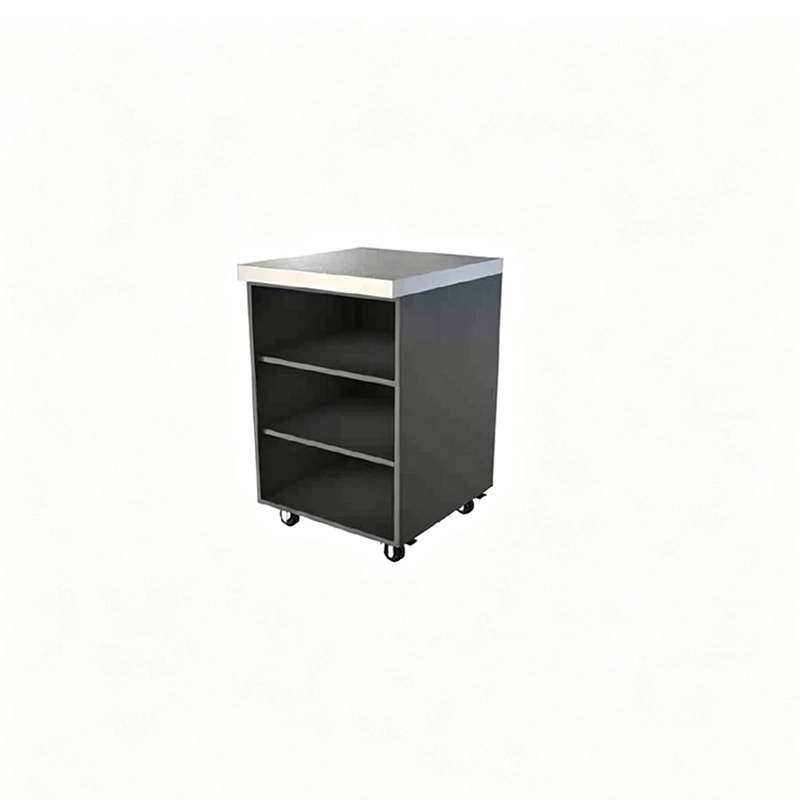
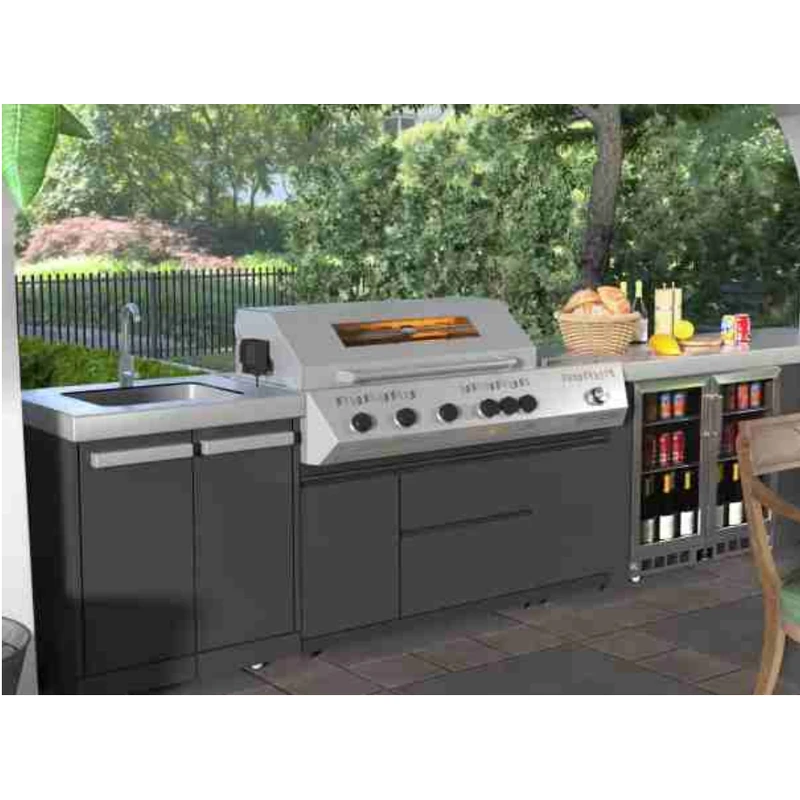
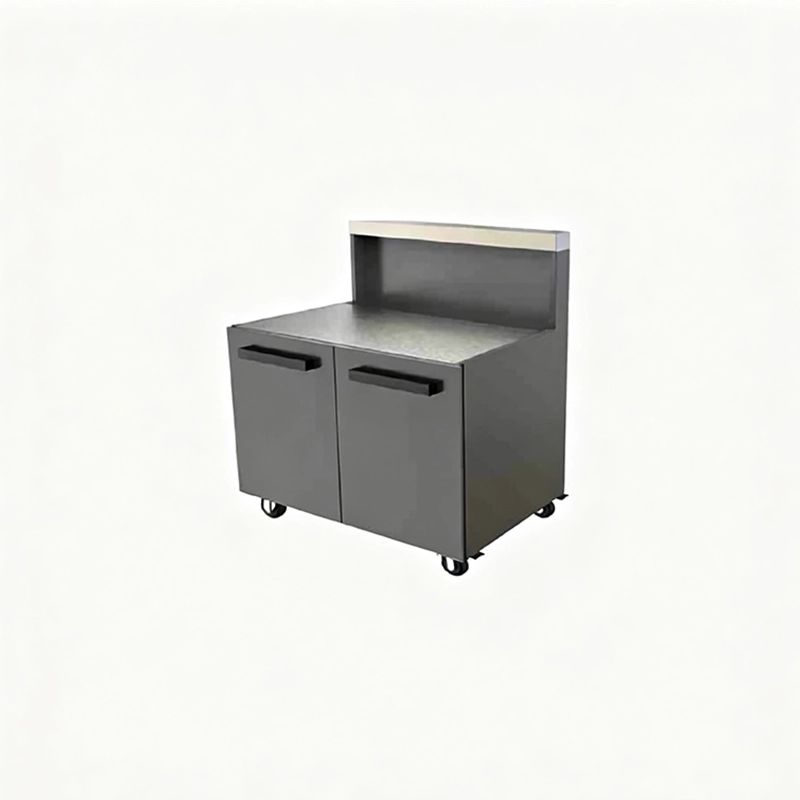
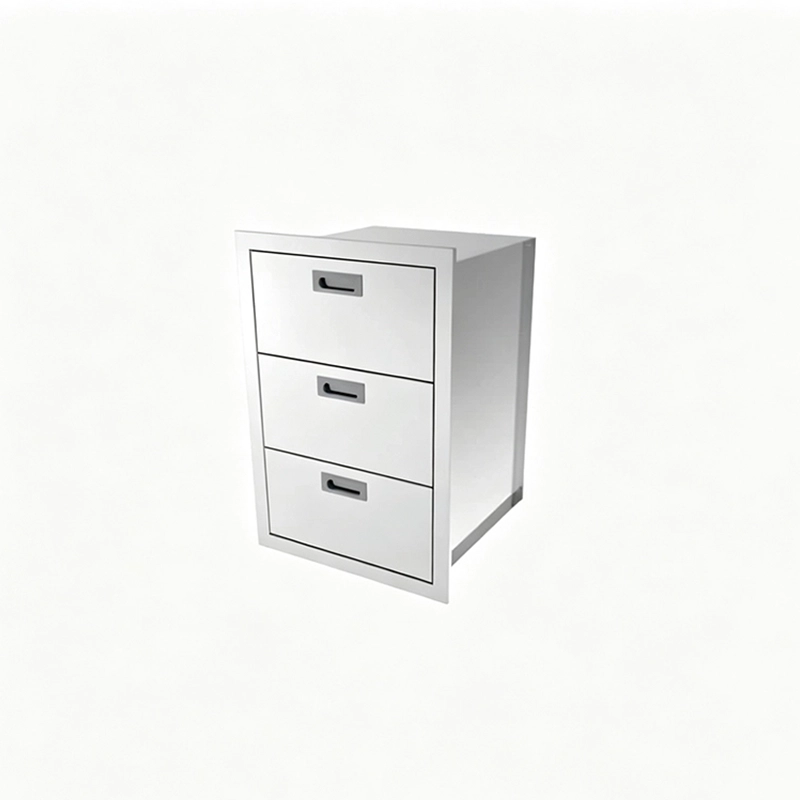
In brief: Stainless steel outdoor cabinets is the starting point for a complete outdoor system rather than as a finished material specification. The project should keep water moving away from cabinets, utilities and concealed cavities. The most useful way to approach this search is to turn the material name into a site-specific decision. The guidance below is intended for designers and installers working in wet locations; final engineering, code and product decisions remain project-specific.
The search phrase identifies a product family, but it does not describe the site, alloy, construction, appliance system or delivery scope. A sheltered inland patio, a coastal resort and an uncovered poolside kitchen impose different conditions. Begin by recording the environment and the way people will cook, serve, clean and maintain the space.
Use that brief to evaluate surface slopes, cabinet base, sink leaks, service penetrations, toe zone, inspection. When quotations leave these fields open, suppliers can price different products under similar names. Clear documentation improves comparison and reduces late changes without turning the article into a substitute for appliance instructions, local codes or professional design.
Mark roof runoff, wind-driven rain, hose cleaning, sink splash and irrigation. Worktops and cabinet tops should not direct water into door gaps or wall junctions. Keep drains and weep paths visible enough to inspect and clear.
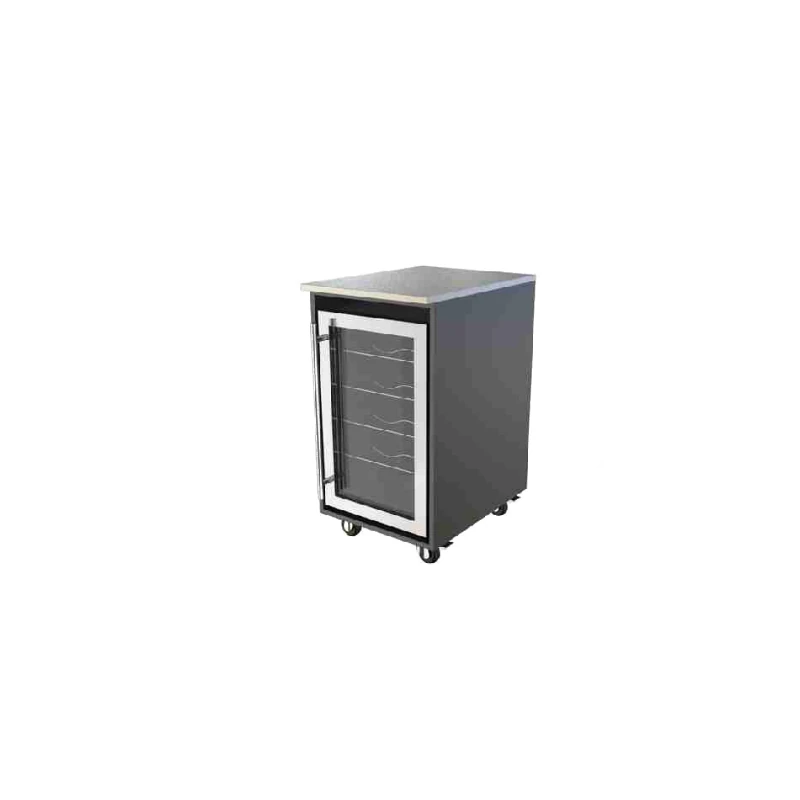
Floors may slope, puddle or collect debris. Decide whether cabinets use legs, a removable plinth, a sealed curb or a mobile base. The choice should support leveling, anchoring and cleaning without trapping water against hidden metal or adjacent construction.
Provide access to valves, traps and connections, support the sink properly and protect cut edges or penetrations. A removable tray or leak sensor can help in some projects. Stainless cabinetry does not make nearby walls, floors or hardware immune to a long-running leak.
| # | Decision | Project record |
|---|---|---|
| 1 | surface slopes | Show it on the coordinated drawing or schedule. |
| 2 | cabinet base | Assign the party responsible for verification. |
| 3 | sink leaks | Record the sample, model or acceptance criterion. |
| 4 | service penetrations | State the requirement and evidence source. |
| 5 | toe zone | Show it on the coordinated drawing or schedule. |
| 6 | inspection | Assign the party responsible for verification. |
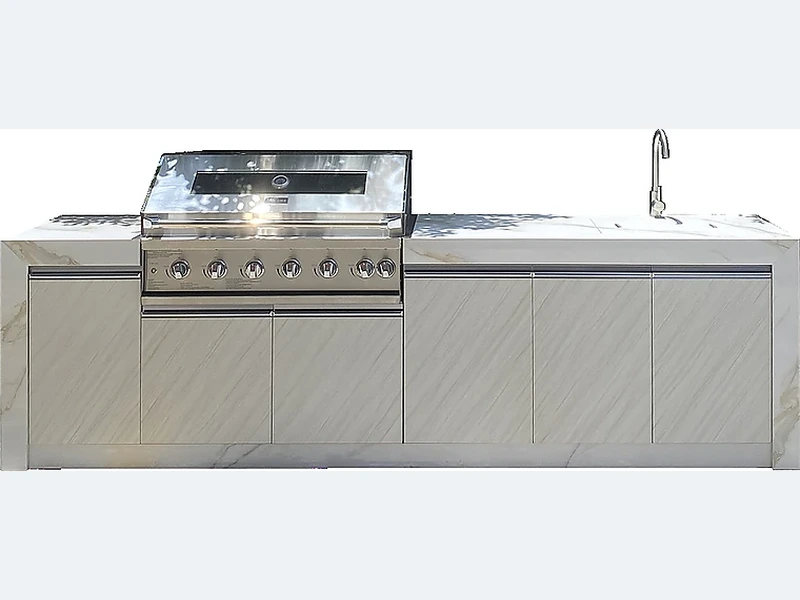
The checklist follows the same logic as the article: understand exposure and use first, coordinate equipment and services second, and release fabrication only after evidence and interfaces agree. It deliberately avoids treating “food grade,” “marine grade,” “weatherproof” or “premium” as complete specifications unless the supplier provides a recognized designation and applicable evidence.
Review ForgeWin’s outdoor-kitchen manufacturing overview, compare layouts in the outdoor-kitchen collection, and use the 304 vs 316 guide when exposure affects grade selection. Images are design references; approved specifications govern the order.
For the query “stainless steel outdoor cabinets,” document surface slopes, cabinet base, sink leaks, service penetrations. Add final appliance data, dimensions, worktop support, utility interfaces, installation responsibility, samples and evidence requirements. Ask every supplier to state deviations so quotations remain comparable.
No single alloy or cabinet type is best everywhere. Assess rain, salt, pool chemicals, heat, shelter, cleaning and maintenance access, then confirm the proposed grade and construction. Coastal or severe exposure may require specialist advice beyond a general product guide.
Complete the site survey, freeze appliance and utility information, approve physical finish samples and reconcile plans, elevations, sections and schedules. Keep a dated change log and do not release fabrication from a rendering or nominal appliance width alone.
A project targeting the query “stainless steel outdoor cabinets” becomes clearer and more reliable when designers and installers working in wet locations connect the site and workflow to a written component scope, final appliance data, physical samples, coordinated drawings and a realistic maintenance plan. That sequence carries the decision coherently from early selection through installation and gives suppliers a fair basis for quotation.
Evidence note for Stainless Steel Outdoor Cabinets: The sources support general material and safety principles. Final alloy selection, clearances, utility design, certification, installation and maintenance must be confirmed for the specific site, appliance and supplied product. This draft was prepared on 2026-08-24 and should be reviewed if standards or product information changes.