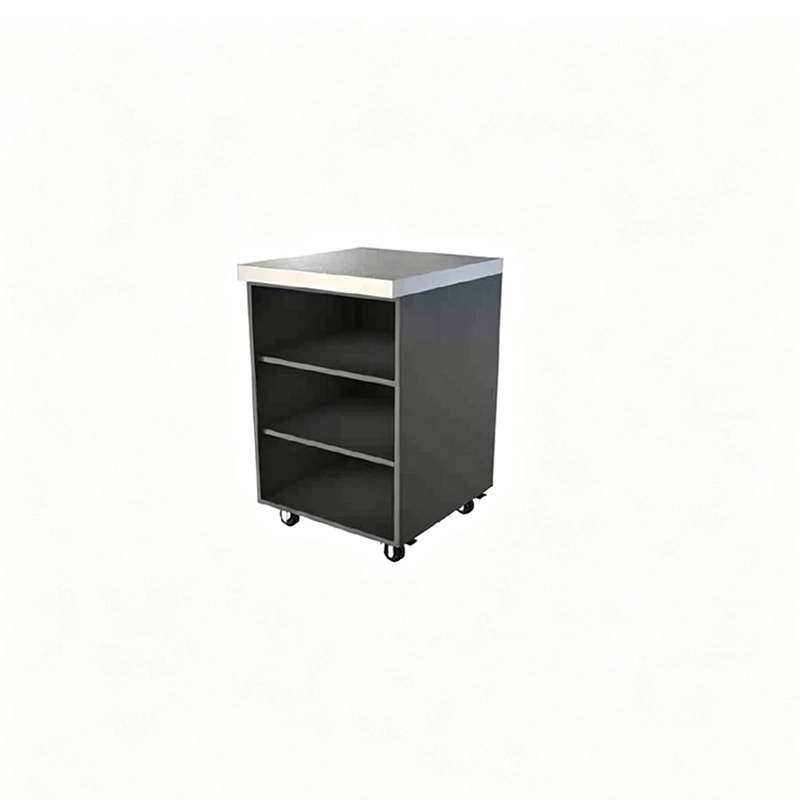
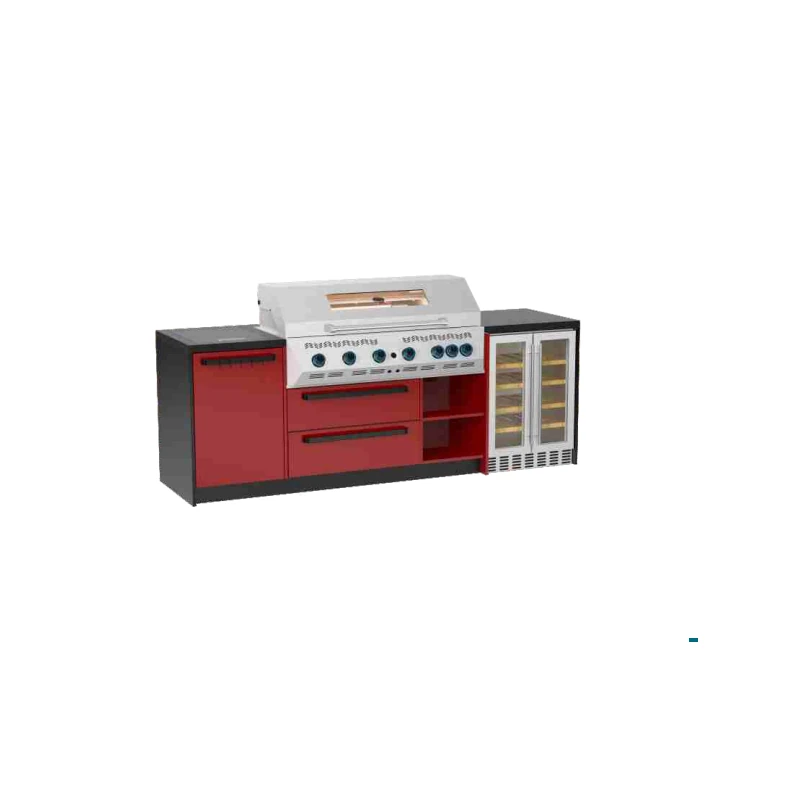
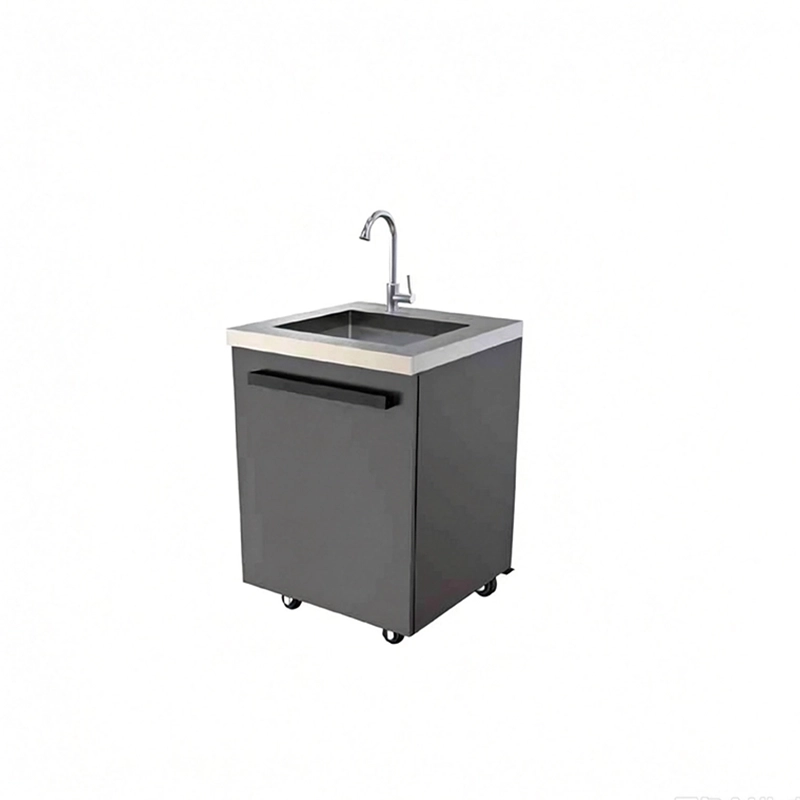
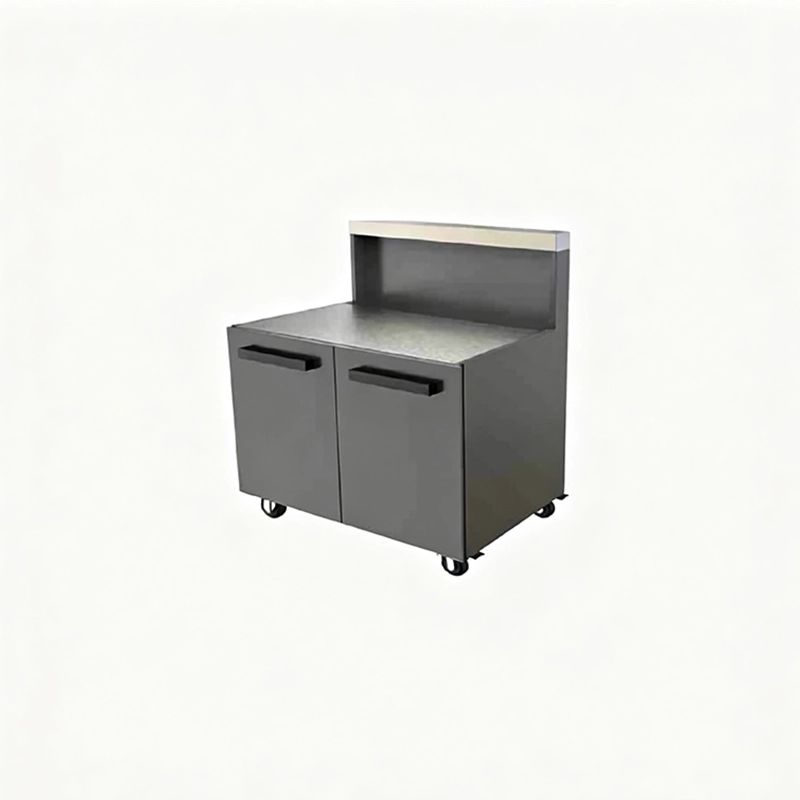
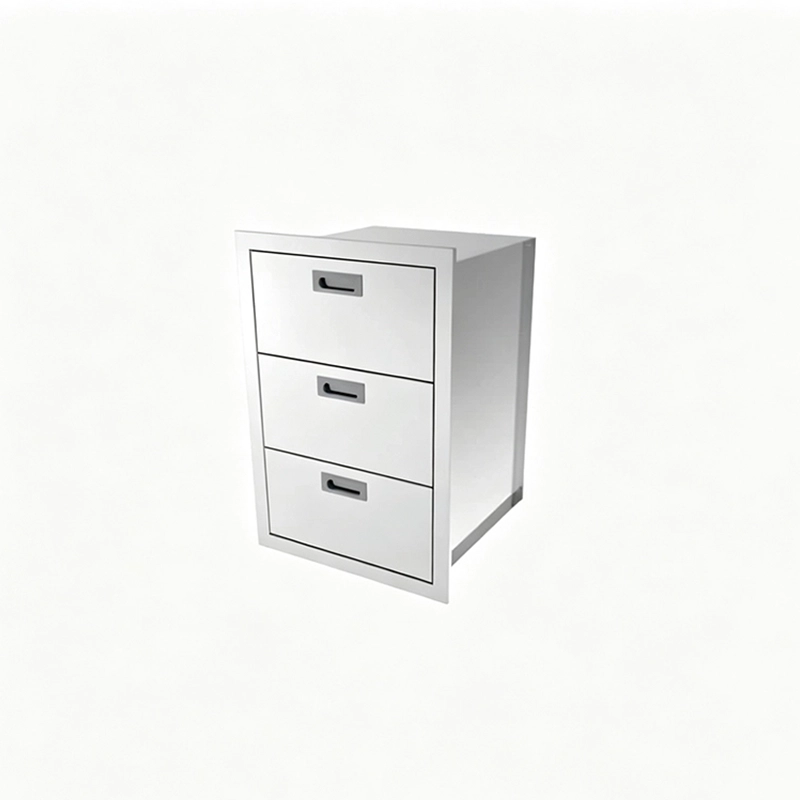
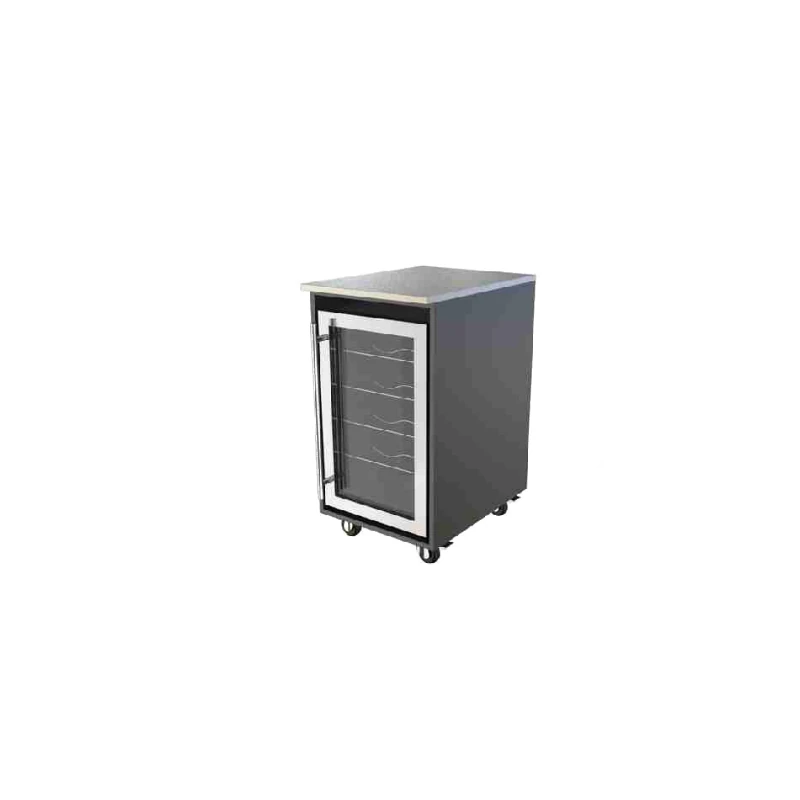
In brief: Stainless steel outdoor cabinetry is the starting point for a complete outdoor system rather than as a finished material specification. The project should understand panels, reinforcement, seams, hardware and weather-facing details. The most useful way to approach this search is to turn the material name into a site-specific decision. The guidance below is intended for architects, fabricators and informed buyers; final engineering, code and product decisions remain project-specific.
The search phrase identifies a product family, but it does not describe the site, alloy, construction, appliance system or delivery scope. A sheltered inland patio, a coastal resort and an uncovered poolside kitchen impose different conditions. Begin by recording the environment and the way people will cook, serve, clean and maintain the space.
Use that brief to evaluate panel geometry, reinforcement, seams, backs, hardware fixing, anchoring. When quotations leave these fields open, suppliers can price different products under similar names. Clear documentation improves comparison and reduces late changes without turning the article into a substitute for appliance instructions, local codes or professional design.
Strength comes from sheet grade and thickness together with folds, returns, frames, stiffeners, connections and spans. A thicker flat sheet can perform poorly if loads have no clear path. Ask the supplier to show how doors, shelves, worktops and appliance loads transfer to the floor or wall.
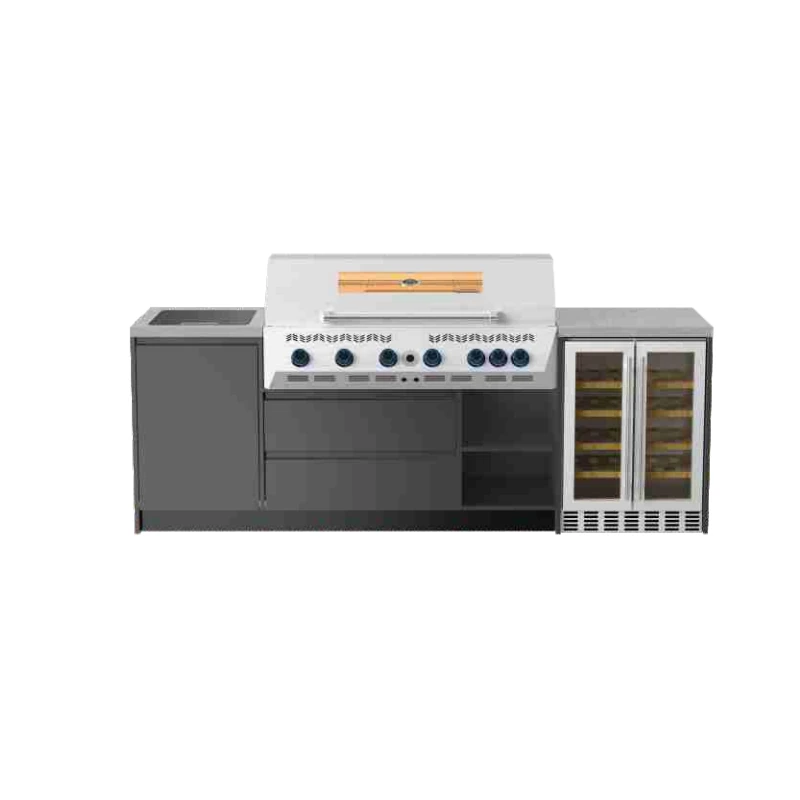
Check exposed edges for safety, seams for water retention, welds for finish consistency and backs for access or ventilation. Heat tint, rough grinding and carbon-steel contamination can affect appearance and corrosion behavior. The approved sample should include a real corner and hardware fixing, not just a flat color chip.
Outdoor floors are often sloped for drainage, while walls may be uneven or lack backing. Define leveling, plinth or leg details and anchor substrates. Tall or mobile units need stability checks. Keep required access to utilities after the cabinets are fixed in place.
| # | Decision | Project record |
|---|---|---|
| 1 | panel geometry | Show it on the coordinated drawing or schedule. |
| 2 | reinforcement | Assign the party responsible for verification. |
| 3 | seams | Record the sample, model or acceptance criterion. |
| 4 | backs | State the requirement and evidence source. |
| 5 | hardware fixing | Show it on the coordinated drawing or schedule. |
| 6 | anchoring | Assign the party responsible for verification. |
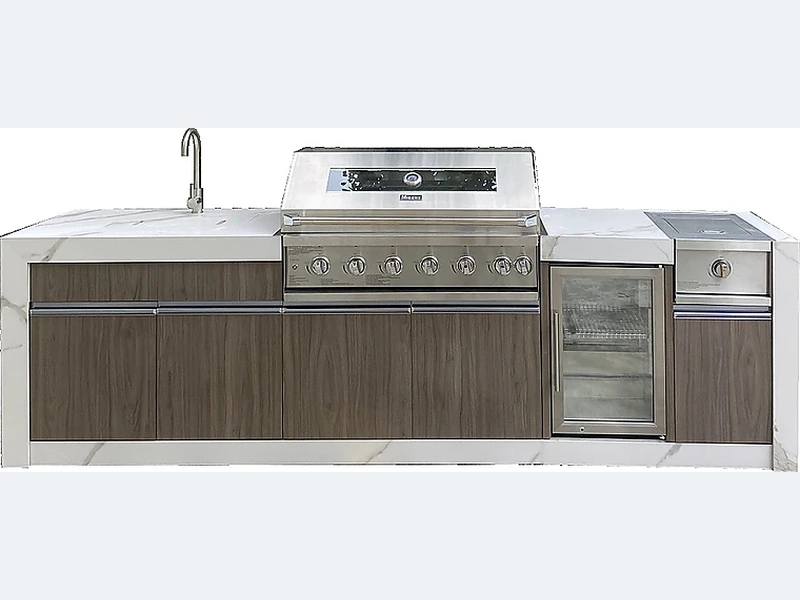
The checklist follows the same logic as the article: understand exposure and use first, coordinate equipment and services second, and release fabrication only after evidence and interfaces agree. It deliberately avoids treating “food grade,” “marine grade,” “weatherproof” or “premium” as complete specifications unless the supplier provides a recognized designation and applicable evidence.
Use the ForgeWin outdoor-kitchen collection to shortlist useful configurations, then convert them into a project brief through the custom manufacturing page. For salt, pool or weather exposure, add the questions from the alloy comparison.
For the query “stainless steel outdoor cabinetry,” document panel geometry, reinforcement, seams, backs. Add final appliance data, dimensions, worktop support, utility interfaces, installation responsibility, samples and evidence requirements. Ask every supplier to state deviations so quotations remain comparable.
Suitability depends on the site, appliance system and maintenance plan. Review panel geometry, reinforcement, seams, backs, plus local code and installer requirements. A material declaration should not be treated as proof that the completed cabinet is weatherproof or certified.
Complete the site survey, freeze appliance and utility information, approve physical finish samples and reconcile plans, elevations, sections and schedules. Keep a dated change log and do not release fabrication from a rendering or nominal appliance width alone.
A project targeting the query “stainless steel outdoor cabinetry” becomes clearer and more reliable when architects, fabricators and informed buyers connect the site and workflow to a written component scope, final appliance data, physical samples, coordinated drawings and a realistic maintenance plan. That sequence carries the decision coherently from early selection through installation and gives suppliers a fair basis for quotation.
Evidence note for Stainless Steel Outdoor Cabinetry Construction Guide: The sources support general material and safety principles. Final alloy selection, clearances, utility design, certification, installation and maintenance must be confirmed for the specific site, appliance and supplied product. This draft was prepared on 2026-08-24 and should be reviewed if standards or product information changes.